Going back to the gym after a long break can feel more difficult than starting for the first time. You remember what you used to lift, how your body looked and how natural the routine once felt. Then the first warm-up feels heavier than expected, and it is tempting to make up for lost time in one session.
 Product optionEFX Kre-Alkalyn Creatine CapsulesCreatine capsules in a convenient format.Affiliate link · Price and availability may change.Check on Amazon As an Amazon Associate I earn from qualifying purchases.
I recommend doing the opposite. Your first month back should rebuild tolerance, confidence and the habit of turning up. You are not proving whether the old version of you still exists. You are giving your current body enough training to adapt without creating soreness that makes work, sleep and the next session miserable.
How should you return to the gym after a long break?
Start with two or three full-body sessions per week, use around half to two-thirds of your previous training volume and stop each set with several repetitions left. Keep familiar exercises, record your starting numbers and increase gradually for four weeks. Avoid testing old personal bests during the first sessions.
Your strength may return faster than it took to build originally, but the timeline varies. Coordination, confidence and tolerance to training all need time. The quickest return is usually the one that does not keep being interrupted by excessive soreness or pain.
First, stop comparing every set with your old best
Your previous numbers are part of your training history, not today’s prescription. If you once pressed 40 kg dumbbells, that does not mean 40 kg is the correct starting load after six months away.
Use the first week to collect new information. Choose a weight you can control and finish with roughly four repetitions in reserve. The set should feel almost too easy. That gives you room to progress and lets your joints and connective tissues catch up with your enthusiasm.
Writing down the current number can feel uncomfortable, but it creates a fair baseline. In three weeks, you can compare against the return point instead of a personal best from another stage of life.
Why your first workout should feel easy
Unfamiliar or resumed exercise can create delayed-onset muscle soreness. Doing far more than your recent capacity does not make adaptation happen three times faster; it often makes ordinary movement unpleasant for several days.
Soreness is not proof of an effective workout. You can stimulate progress without struggling to sit down or lift your arms. I would finish the first session knowing you could have done more.
The restraint is temporary. Training becomes harder as your ability to recover returns. Starting below your limit is how you reach that stage consistently.
A simple four-week return plan
Week 1: Relearn the routine
Train twice. Use five exercises and two working sets of each. Keep four or five repetitions in reserve and focus on setup, range of motion and control.
- Leg press or goblet squat
- Dumbbell or machine chest press
- Seated row
- Leg curl or light Romanian deadlift
- Lat pulldown or a comfortable shoulder exercise
Walk or continue normal daily activity between sessions. You do not need extra hard cardio to compensate for the break.
Week 2: Add small progress
Repeat the two sessions. Add one or two repetitions where technique was comfortable. If every set reached the top of your chosen range easily, increase the load by the smallest available amount.
You may add a sixth exercise for arms or core, but only if the first week did not create excessive soreness.
Week 3: Build normal working effort
Train two or three times. Keep two sets on smaller movements and consider three sets on one or two main exercises. Finish most sets with two or three repetitions in reserve.
This is where the sessions begin to feel like training again. Resist the urge to add every old exercise immediately.
Week 4: Settle into the next programme
Choose the weekly schedule you can realistically maintain. Move towards normal working sets while keeping technique consistent. You can now decide whether a full-body, upper/lower or another split best fits your available days.
At the end of the week, review progress, soreness and enjoyment. Build the next block from what you actually completed.
How many days should you train?
Two or three days per week is enough for most returners. Full-body sessions work well because each muscle receives regular practice without needing many gym visits.
If you previously trained five days, you may eventually return to that frequency. Do not assume it needs to happen in week one. Work, family and sleep may be different now.
Choose the minimum schedule you are confident you can keep during an ordinary busy week. You can always add later. Repeatedly missing an ambitious plan feels worse than completing a modest one.
Should you use machines or free weights?
Use whichever lets you train comfortably and confidently. Machines can reduce the coordination demand and make the first sessions simpler. Free weights are useful when you already know the movements and want to rebuild that skill.
You do not need to prove that you are not a beginner by avoiding machines. A leg press, chest press and seated row can provide excellent training.
If an old exercise caused pain or never suited you, the comeback is a good time to replace it. Familiarity alone is not a reason to keep a poor choice.
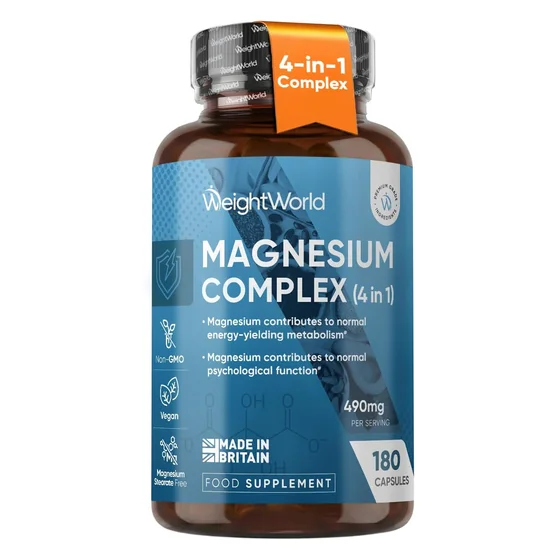 Product optionWeightWorld Magnesium Complex 4-in-1Magnesium capsules for a simple supplement routine.Affiliate link · Price and availability may change.Check on Amazon As an Amazon Associate I earn from qualifying purchases.
How quickly should you add weight?
Add repetitions before load. If your target is 8–12 and you complete 8, 8, 8 with comfortable technique, aim for 9s next time. Once all sets reach the top of the range, add a small amount of weight and return towards the lower end.
Early progress can be fast because coordination returns. Do not let that trick you into large jumps every session. Muscles may feel ready before joints and tendons have adapted to the repeated workload.
If form changes dramatically, the load increase was not earned. Return to the previous weight and complete better repetitions.
What to do about soreness
Light movement, normal meals, fluid and sleep are the main tools. A gentle walk may feel better than spending the day completely still. Stretching can be comfortable, but aggressive stretching does not erase muscle damage.
Do not train the same sore muscle hard simply to “flush it out”. Mild soreness may be manageable, but severe soreness that changes your movement is a sign to reduce the next session.
Sharp pain, swelling, weakness, dark urine or pain that is worsening rather than settling needs medical attention. Do not label every symptom normal gym soreness.
Nutrition when you start again
You do not need a bulk, detox or new supplement stack. Eat regular balanced meals and include a useful protein source across the day. Carbohydrate supports training, and fruit and vegetables contribute fibre and micronutrients.
If fat loss is also a goal, avoid starting with an aggressive calorie deficit while dramatically increasing training. A modest plan is easier to recover from and more likely to last.
Protein powder can be convenient, but it is not required. Creatine may be useful for suitable healthy adults, though I would establish the training routine before making supplements the main focus.
How to handle gym anxiety
Returning can feel exposing, particularly when the gym layout has changed or you believe people will notice your reduced strength. Most people are focused on their own session. Even if someone recognises you, you do not owe them an explanation.
Go at a quieter time if possible. Write the workout before arriving, know one alternative for each exercise and use headphones if they help you focus. A clear plan reduces wandering and decision fatigue.
 Product optionOptimum Nutrition Gold Standard WheyWhey protein powder for a convenient shake.Affiliate link · Price and availability may change.Check on Amazon As an Amazon Associate I earn from qualifying purchases.
You can also make the first visit a short familiarisation session. Walk around, complete three movements and leave. The win is re-entering the environment.
What if you miss another week?
Continue from a sensible level. Do not punish the missed week with double sessions. If you miss only one week, you may repeat the previous loads. After a longer gap, step back slightly again.
The belief that you must never miss is one reason people avoid returning. Consistency does not mean perfection. It means the plan survives ordinary disruptions.
Build a backup session for busy weeks. Three exercises in 30 minutes keeps the connection with training when the full programme will not fit.
Common comeback mistakes
Testing old personal bests
Your first month is training, not an exam. Save strength tests for when you have rebuilt consistent exposure.
Changing your whole diet on the same day
A strict diet, daily cardio and five gym sessions create too many points of failure. Establish training and improve food in manageable steps.
Using soreness as the target
Chasing soreness encourages too much novelty and volume. Track repetitions, loads and technique instead.
Buying equipment before building attendance
New shoes and supplements can feel productive, but they do not replace putting the next two sessions in your calendar.
Waiting to feel motivated
Motivation often improves after the routine begins. Make the first session small enough that you can do it on an average day.
What I would focus on first
Book two sessions for next week and keep each under an hour. Choose five familiar exercises, perform two controlled sets and leave plenty in reserve. Record the numbers without judging them.
Your first target is not a certain weight on the bar. It is completing four sessions across two weeks without creating a reason to avoid the fifth.
Frequently asked questions
How much strength will I lose after a long break?
It depends on the length of the break, previous experience, activity and health. Some strength and skill usually return relatively quickly once consistent training resumes.
Should I restart as a beginner?
Use beginner-like volume and conservative effort, but your previous experience still matters. You may progress faster than a true first-time lifter.
How sore should I be after the first workout?
Mild soreness is common, but severe soreness is unnecessary. Reduce volume and effort if it interferes with daily movement or the next session.
Is two gym sessions per week enough?
Yes. Two well-planned full-body sessions can rebuild strength and muscle, especially during the return phase.
When can I lift heavy again?
There is no fixed date. Build several weeks of consistent training, stable technique and normal recovery before approaching very heavy efforts.
What if I feel embarrassed about starting again?
Keep the first visit short and planned. Most gym users are concentrating on themselves, and returning is a positive action rather than something to explain.
Your first month back
The best comeback is not the most dramatic one. It is the one that makes training feel normal again. Start lighter than your ego prefers, finish with energy left and let the numbers rise as your body readapts.
Put two sessions in your calendar now and treat them as the beginning, not a test of the past. If you want a return plan built around your experience, available days and current strength, I can help you organise it through SykerFlex coaching.
Sources and further reading
- Ogasawara R et al. Comparison of muscle hypertrophy following continuous and periodic resistance training. European Journal of Applied Physiology. 2013.
- Mujika I, Padilla S. Muscular characteristics of detraining in humans. Medicine & Science in Sports & Exercise. 2001.
- American College of Sports Medicine. Progression models in resistance training for healthy adults.
Training coaching
Turn useful advice into your own programme.
I can structure your sessions around your experience, available equipment, schedule and progress.
About the author
Roland Balogh
I’m an Active IQ Level 3 Personal Trainer, qualified in nutrition for sport and exercise performance. I help people build strength, improve their nutrition and stay consistent—without extreme plans or living in the gym.- Level 3 Personal Trainer
- Sport & Exercise Nutrition
- Mental Health Awareness
Keep reading
Related articles