You have eaten the meal your diet allows, cleared the plate and already started thinking about the next one. By late afternoon you are checking the cupboard, and by evening it feels as though every snack in the house is calling your name. If you are hungry all the time while dieting, it does not automatically mean you lack willpower.
 Product optionEFX Kre-Alkalyn Creatine CapsulesCreatine capsules in a convenient format.Affiliate link · Price and availability may change.Check on Amazon As an Amazon Associate I earn from qualifying purchases.
Some hunger is normal when you are eating less than your body uses, but constant, distracting hunger often means the plan needs attention. I recommend checking the size of your calorie deficit, the foods in your meals, your sleep and the way your day is organised. This guide covers ten common reasons dieting feels so hungry and the practical changes I would try first.
Why am I hungry all the time while dieting? The short answer
You may feel constantly hungry while dieting because your calorie deficit is too aggressive, meals lack protein or fibre, portions are physically small, gaps between meals are too long, or sleep and stress are affecting appetite. Start by making meals larger in volume, adding a clear protein source and using a smaller, more sustainable deficit.
Hunger is not an exact calculation. Two meals with similar calories can feel very different, and two people following the same plan may not experience the same appetite. The goal is not to remove every moment of hunger. I would aim to make it manageable enough that you can think, work, train and socialise without feeling as though the diet controls the whole day.
1. Your calorie deficit may be too large
Fat loss requires an energy deficit over time, but a bigger deficit is not always a better one. If you suddenly remove a large amount of food, hunger can become difficult to manage. Your training may feel worse, your energy may drop and the plan can start to look like something you need to escape from at the weekend.
I often see people create an aggressive target because they want a quick result. They eat very little from Monday morning, struggle through several days, then eat far more than planned on Friday or Saturday. The weekly result may be smaller than expected, even though most of the week felt strict.
What I would do is make a modest adjustment rather than cutting everything at once. If weight is dropping quickly and you are constantly hungry, add a little food back and watch the trend for two or three weeks. A slower approach that you can repeat is usually more useful than a severe plan that keeps breaking down.
Your needs depend on your body size, activity, goals and health. Online calculators provide estimates rather than a medical prescription. If you have a history of disordered eating, are pregnant, under 18, underweight or managing a health condition, seek individual advice before deliberately restricting calories.
2. Your meals do not contain enough protein
Protein is useful during fat loss because it supports muscle maintenance and can help meals feel more satisfying. Research reviews suggest higher-protein meals or diets may improve fullness for some people, although the long-term appetite evidence is not perfectly consistent.
You do not need to turn every meal into plain chicken and protein powder. I would include a recognisable source such as eggs, Greek yoghurt, cottage cheese, fish, poultry, lean meat, tofu, tempeh, beans or lentils. Build the meal around a food you actually enjoy and can afford.
Breakfast is a common place to look. A pastry and coffee may be convenient, but it may not keep you satisfied for long. You could add yoghurt and fruit, choose eggs on toast, or make overnight oats with milk and yoghurt. The exact choice matters less than creating a meal with enough substance to carry you towards lunch.
If you have kidney disease, one kidney or another condition that can affect protein advice, ask your doctor or a registered dietitian for a suitable target. General gym recommendations should not replace advice based on your medical needs.
3. You are eating too little fibre or too few whole foods
Fruit, vegetables, beans, pulses, oats, potatoes and wholegrain foods can add fibre and volume to a meal. They also bring useful nutrients. The NHS recommends including vegetables and a protein source in meals when trying to lose weight, and choosing wholegrain starchy foods where practical.
Fibre is often described as if it switches off hunger automatically. The research is more mixed than that. A systematic review found that only some fibre types and interventions reduced appetite or food intake in short studies. I still recommend fibre-rich foods because they can make meals larger and support a balanced diet, but I would not sell one fibre supplement as the answer to every appetite problem.
Increase fibre gradually if your current intake is low, and drink normally. A sudden jump can cause bloating or digestive discomfort. Try adding one piece of fruit, an extra serving of vegetables or beans in a familiar meal before completely rebuilding your diet.
4. Your portions are low in volume
Some foods contain a lot of calories in a small amount. Oils, butter, nuts, chocolate, pastries and many takeaway foods can fit into a balanced diet, but the portion may not look large. If most of your calories come from compact foods, you may finish eating before the meal feels physically substantial.
I would keep foods you enjoy, then create more volume around them. A smaller portion of a rich pasta dish can be served with vegetables and a lean protein source. A sandwich can come with fruit, yoghurt or a bowl of vegetable soup. A curry can include extra vegetables and an appropriate portion of rice rather than being mostly sauce and oil.
Be careful with the opposite extreme. A huge bowl of leaves with very little protein, carbohydrate or fat may look impressive but still leave you searching for food later. A filling meal needs balance as well as volume.
5. You are drinking calories that do not satisfy you
Sweet drinks, speciality coffees, alcohol and large amounts of juice can use a meaningful part of your daily calories. Some people find liquids less satisfying than eating food, which leaves less room for meals while hunger remains.
You do not have to drink only water forever. I would first notice what you consume without thinking. The coffee on the way to work, drink with lunch and evening alcohol may matter more together than any one choice. Decide which ones you value, keep those intentionally and change the ones you barely notice.
Low-calorie or sugar-free drinks can be useful for some people, but they are optional. Water, tea and coffee can also fit. The better choice is the one that supports your plan and agrees with you.
6. You leave very long gaps between meals
Intermittent fasting suits some people, but it is not compulsory for fat loss. If skipping breakfast makes you comfortable and your later meals stay sensible, it may fit. If it leaves you ravenous at 3 pm and eating whatever is available, it is probably not helping.
I would arrange meals around the times hunger causes problems. A shift worker might need a proper meal before work and a planned break-time meal rather than trying to survive on coffee. A busy parent may need a quick breakfast before the morning becomes chaotic. An office worker who snacks all afternoon may benefit from a larger lunch.
There is no prize for going the longest without food. Meal timing should make your calorie target easier to manage.
7. Your snacks are easy to eat but not very filling
A small packet of biscuits, sweets or crisps can disappear quickly. You may enjoy it, but it might not give you much volume or protein. If the snack is meant to carry you for several hours, I would make it more substantial.
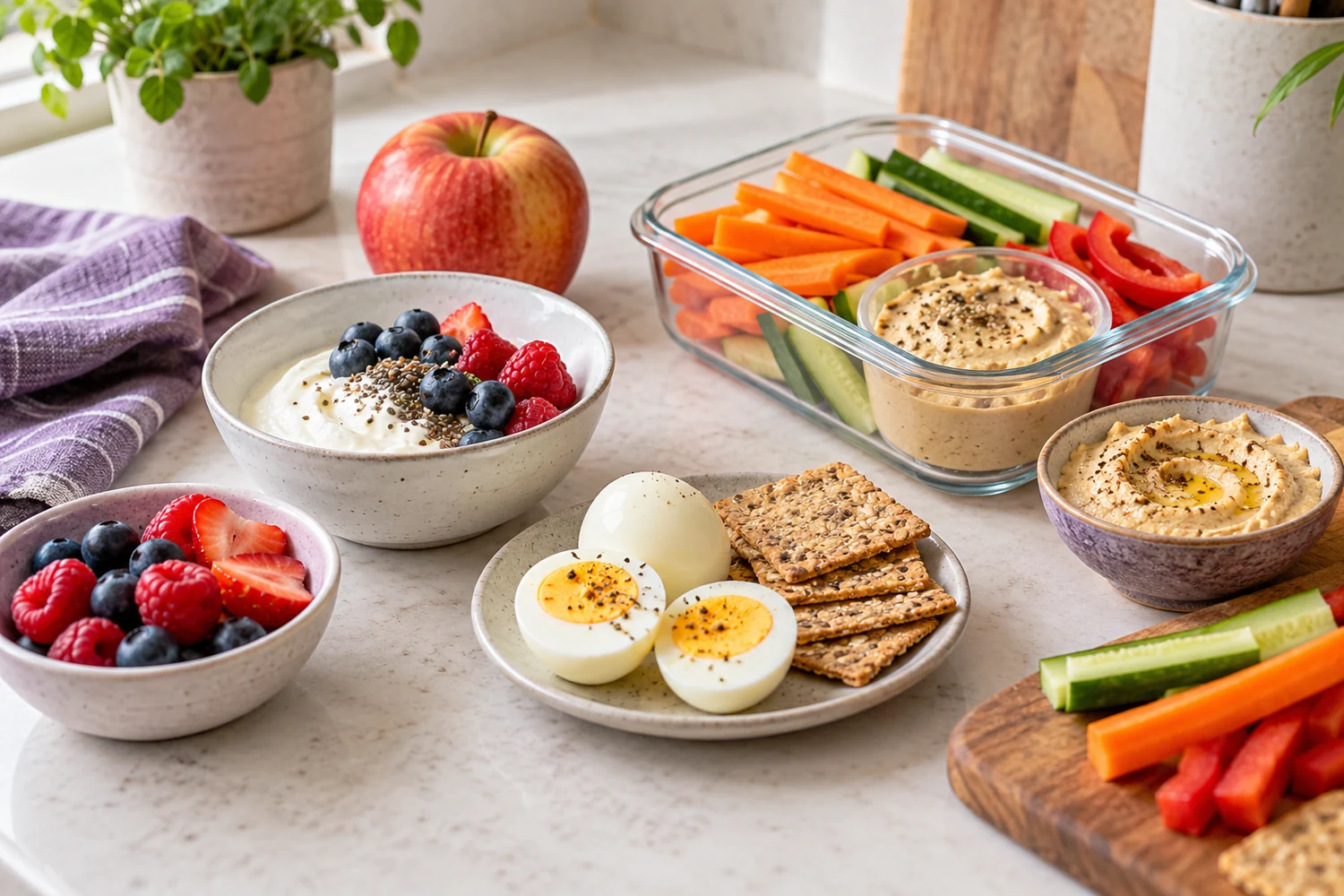
Examples include yoghurt with fruit, eggs with wholegrain crackers, an apple with a measured portion of nuts, hummus with chopped vegetables, cottage cheese on toast or a simple protein shake alongside fruit. You do not need to call these foods “clean”, and you do not need a different recipe every day.
Keep portions in mind. Nuts, hummus and spreads can be nutritious, but calories can rise quickly when you eat directly from the packet or tub. Put the amount you intend to eat on a plate or in a container.
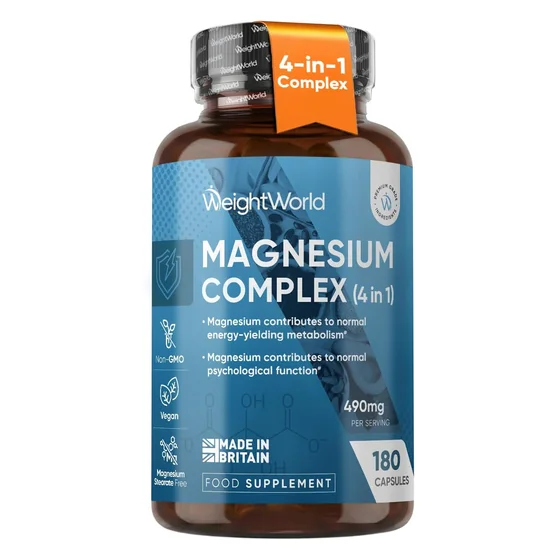 Product optionWeightWorld Magnesium Complex 4-in-1Magnesium capsules for a simple supplement routine.Affiliate link · Price and availability may change.Check on Amazon As an Amazon Associate I earn from qualifying purchases.
8. Poor sleep may be increasing your appetite
A bad night does more than make the alarm unpleasant. Controlled research has found that sleep restriction can increase reported hunger and snack intake in some settings. A meta-analysis of randomised trials also found higher subjective hunger and energy intake during sleep restriction.
This does not mean one short night ruins fat loss. It explains why a demanding week may make the plan feel harder. When you are tired, convenient high-energy foods can also become more appealing, and cooking may be the last thing you want to do.
I would protect sleep where your circumstances allow it and make food easier on tired days. Keep a few simple meals at home, prepare lunch before a run of shifts and avoid relying on willpower when you already know you will be exhausted.
Shift workers may not be able to follow a standard bedtime routine. Focus on what you can control: a dark room, reduced noise, a regular wind-down when possible and caffeine timing that does not interfere with the sleep opportunity you have.
9. Stress, boredom and habit can feel like hunger
Not every urge to eat comes from an empty stomach. Food may be a break from work, something to do while watching television or a way to manage a difficult mood. That does not make the urge fake. It means the solution may involve more than changing the meal.
Before automatically eating, pause for a moment and ask what is happening. When did you last eat? Would a normal meal sound good, or are you looking for one specific snack? Are you tired, stressed or simply following a routine such as opening the cupboard when you enter the kitchen?
If you are physically hungry, eat something appropriate. If it is a habit, change the cue where possible. Make tea after dinner, brush your teeth, take a short walk or keep snack foods out of immediate sight. I do not recommend trying to distract yourself from real hunger for hours.
10. Your diet contains too many rigid rules
A plan can become harder when you label foods as forbidden. You may spend the week avoiding bread, chocolate or meals out, then feel that one unplanned choice has ruined everything. That all-or-nothing response can turn one food into a much larger episode.
I prefer leaving room for foods you enjoy. The portion and frequency still matter, but they can be planned. You might include a small dessert after a balanced evening meal, or save calories for a restaurant meal without starving all day beforehand.
A flexible diet still needs structure. It means choosing how foods fit, rather than pretending calories do not count. The structure should help you make decisions, not create guilt around every meal.
How to make a diet more filling: a simple five-step check
- Review your deficit. If the target is aggressive and hunger is constant, use a smaller reduction.
- Add a protein source to each main meal. Choose foods you can buy, prepare and digest comfortably.
- Increase food volume. Add vegetables, fruit, potatoes, beans, soup or other filling foods that suit the meal.
- Plan the difficult time of day. Use a larger lunch or a prepared snack where hunger normally leads to unplanned eating.
- Check sleep and routine. Make easy meals available for the days when tiredness and stress are highest.
Change one or two things at a time. If you rebuild breakfast, lunch, dinner, snacks and calories overnight, it becomes difficult to know what helped. I would start with the meal after which you become hungry fastest.
A realistic filling day of eating
This example is not a meal plan or a calorie prescription. It shows how ordinary foods can create structure.
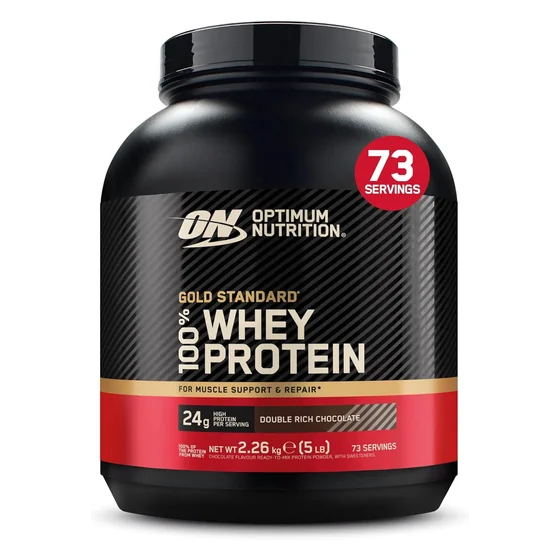 Product optionOptimum Nutrition Gold Standard WheyWhey protein powder for a convenient shake.Affiliate link · Price and availability may change.Check on Amazon As an Amazon Associate I earn from qualifying purchases.
Breakfast: porridge made with milk, topped with Greek yoghurt and berries. If mornings are rushed, prepare overnight oats the evening before.
Lunch: chicken, tuna, tofu or bean wrap with plenty of salad, plus fruit. Add a yoghurt if you need a more substantial meal before a long afternoon.
Snack: two eggs and fruit, or Greek yoghurt with berries. Choose something that fits the time until dinner.
Dinner: lean protein, potatoes or rice and a generous serving of vegetables. Use seasonings and a measured amount of oil or sauce so the meal still tastes good.
Something enjoyable: a portion of chocolate, dessert or another food you like, included deliberately rather than treated as a mistake.
Your version may look completely different because of culture, budget, allergies, working hours or preferences. The useful pattern is protein, produce, a sensible carbohydrate source and meals that are large enough to feel like meals.
Common mistakes I see when people try to control hunger
Drinking more water instead of fixing the meal
Dehydration can be uncomfortable, but water is not a replacement for food. If every meal is tiny and low in protein, another litre of water will not solve the main problem. Drink normally and improve the meal.
Saving nearly all calories for the evening
This approach works for some people, but many arrive home so hungry that portion control becomes difficult. If that sounds familiar, move some food earlier in the day and see whether dinner becomes calmer.
Adding “healthy” extras without checking portions
Nuts, granola, avocado, olive oil and nut butter can all fit, but they are easy to pour or spread generously. Measure them for a while if weight loss has stopped or meals contain several calorie-dense additions.
Trying to ignore strong hunger every day
Occasional hunger is manageable. Constant hunger that affects sleep, mood, concentration or eating control deserves a change. A diet does not become more effective because it feels miserable.
What I would focus on first
I would first check whether your calorie target is realistic. Then I would choose the meal that leaves you hungriest and add a proper protein source plus more food volume. That may mean yoghurt and fruit at breakfast, vegetables and potatoes with dinner, or a planned snack before a long shift.
Next, I would track hunger for one week using simple notes: when it appears, what you ate beforehand and how you slept. You do not need a complicated score. Look for a repeatable pattern. If afternoon hunger always follows a small lunch, you have somewhere practical to start.
If hunger is sudden, extreme or comes with symptoms such as excessive thirst, frequent urination, unexplained weight change, faintness or feeling unwell, speak with your GP. Persistent appetite changes can have medical causes, and a general nutrition article cannot assess them.
Frequently asked questions
Is it normal to feel hungry when losing weight?
Some increase in hunger can be normal because you are eating less energy than your body uses. It should still be manageable. Constant, distracting hunger can suggest the deficit or meal structure needs adjusting.
What foods keep you full for longer?
Meals containing protein, fibre-rich foods and enough volume often feel more satisfying. Useful options include eggs, Greek yoghurt, fish, lean meat, tofu, beans, potatoes, oats, fruit and vegetables. No single food guarantees fullness for everyone.
Does protein stop hunger?
Protein may improve fullness and reduce short-term appetite for many people, but it does not remove hunger completely. Include it as part of a balanced meal rather than relying only on shakes or very high intakes.
Why am I hungrier at night when dieting?
You may have eaten too little earlier, left long gaps between meals, slept poorly or developed an evening snacking habit. Review breakfast and lunch before assuming you simply need more discipline at night.
Can I eat snacks and still lose weight?
Yes. Snacks can fit within your overall calorie intake. Plan a portion and choose something that helps you reach the next meal comfortably, especially during long workdays or shifts.
Should I go to bed hungry to lose weight?
You do not need to go to bed very hungry. If evening hunger regularly affects sleep, adjust meal timing or reserve food for a planned evening snack. Your overall intake across time matters more than making bedtime uncomfortable.
Conclusion: constant hunger is feedback
If you are hungry all the time while dieting, treat it as useful feedback. Check the size of your deficit, add protein and volume, plan for the hardest part of the day and take sleep seriously. You may still feel hungry sometimes, but the plan should not demand a daily battle with food.
Start with tomorrow’s least satisfying meal and improve that one meal. Add a protein source, fruit or vegetables and enough carbohydrate to make it feel complete. If you want a nutrition plan built around your schedule, food preferences and training rather than a generic menu, that is exactly what I help my SykerFlex coaching clients with.
Sources
- Kohanmoo A, et al. (2020). “Effect of short- and long-term protein consumption on appetite and appetite-regulating gastrointestinal hormones.” View on PubMed.
- Clark MJ and Slavin JL. (2013). “The effect of fiber on satiety and food intake: a systematic review.” View on PubMed.
- Tajiri E, et al. (2023). “Effects of sleep restriction on food intake and appetite under free-living conditions.” View on PubMed.
- Zhu B, et al. (2019). “Effects of sleep restriction on metabolism-related parameters in healthy adults.” View on PubMed.
- NHS Better Health. “Healthy eating when trying to lose weight.” Read the NHS guidance.
Nutrition coaching
Make nutrition work around your schedule.
I will help you build a realistic eating plan around your routine, preferences and goals—without extreme restrictions.
About the author
Roland Balogh
I’m an Active IQ Level 3 Personal Trainer, qualified in nutrition for sport and exercise performance. I help people build strength, improve their nutrition and stay consistent—without extreme plans or living in the gym.- Level 3 Personal Trainer
- Sport & Exercise Nutrition
- Mental Health Awareness
Keep reading
Related articles