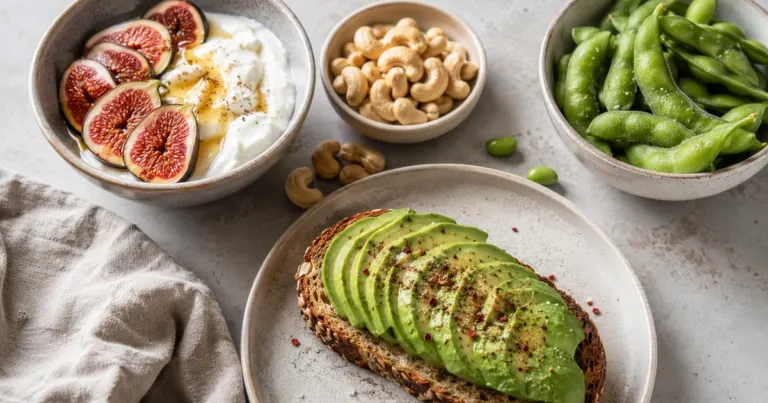
When you work shifts, the hardest part of eating well is often deciding what to take with you. You might leave before the shops open, have a break at an odd hour, or get home too tired to cook. That is why I recommend high-protein meals for shift workers that use familiar ingredients and can survive a busy week. You do not need ten new recipes every Sunday or a shelf full of protein products.
Below are ten meals you can make quickly, pack for work, or put together when you get home. Some need a microwave; others can be eaten cold. I have also included a simple way to plan your food around early, late and night shifts, plus the storage details that matter when your lunch is sitting in a bag for hours.
What makes a good high-protein meal for shift work?
A good shift-work meal starts with an easy protein source such as eggs, Greek-style yoghurt, chicken, tuna, beans or tofu. Add bread, potatoes, rice or another carbohydrate, then fruit or vegetables. Pick something you can actually eat on your break, and keep perishable food chilled until you need it.
That is the short answer. I would also think about how much time you have to eat and whether there is a fridge or microwave at work. A carefully prepared hot meal is no use if your break is ten minutes and the microwave queue takes eight.
Protein matters, but it is only one part of the meal. If you are on your feet all shift, a tub of chicken and lettuce may leave you hungry. A wrap, potato or portion of rice can make the meal more practical. Your portion sizes depend on your appetite, activity and goals; there is no single box size that suits everyone.
10 high-protein meals for shift workers
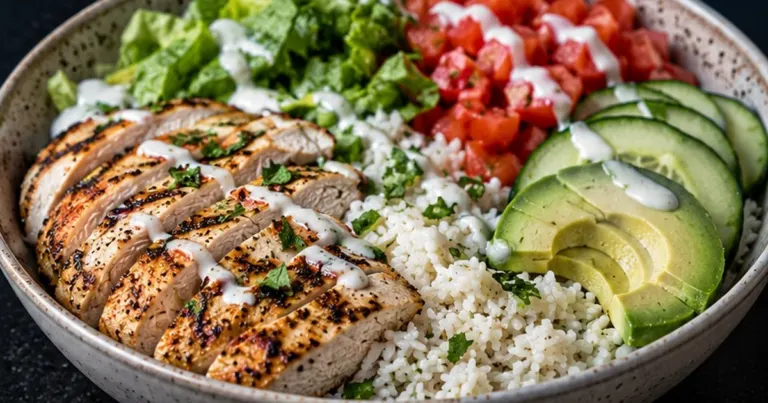
1. Chicken, rice and frozen-veg box
Cook chicken pieces with a seasoning you like, add rice and microwaveable frozen vegetables, and pack the portions in containers. You can use leftovers from dinner instead of cooking a separate meal-prep batch. A spoonful of yoghurt-based sauce or a little chilli sauce helps if plain chicken and rice gets boring.
Best for: a longer break with a microwave. If using cooked rice, cool it quickly, refrigerate it promptly and eat it within 24 hours. Reheat only once until steaming hot throughout.
2. Tuna and bean jacket potato
Microwave a potato until cooked, then top it with drained tinned tuna and a few spoonfuls of canned beans. Sweetcorn, chopped spring onion or a little yoghurt-based dressing works well here. If you are making it at work, pack the potato and topping separately.
Best for: a cheap meal when you have microwave access. Canned tuna is convenient, but I would rotate it with eggs, beans, chicken and other protein sources instead of relying on it every shift.
3. Egg and cottage cheese wrap
Cook two eggs as a quick omelette, let them cool, then tuck them into a wrap with cottage cheese and spinach or sliced tomato. If you prefer, make it fresh before leaving rather than assembling it the night before, so the wrap does not go soggy.
Best for: early starts and short breaks. It is easy to hold and eat without cutlery. Keep the prepared wrap chilled.
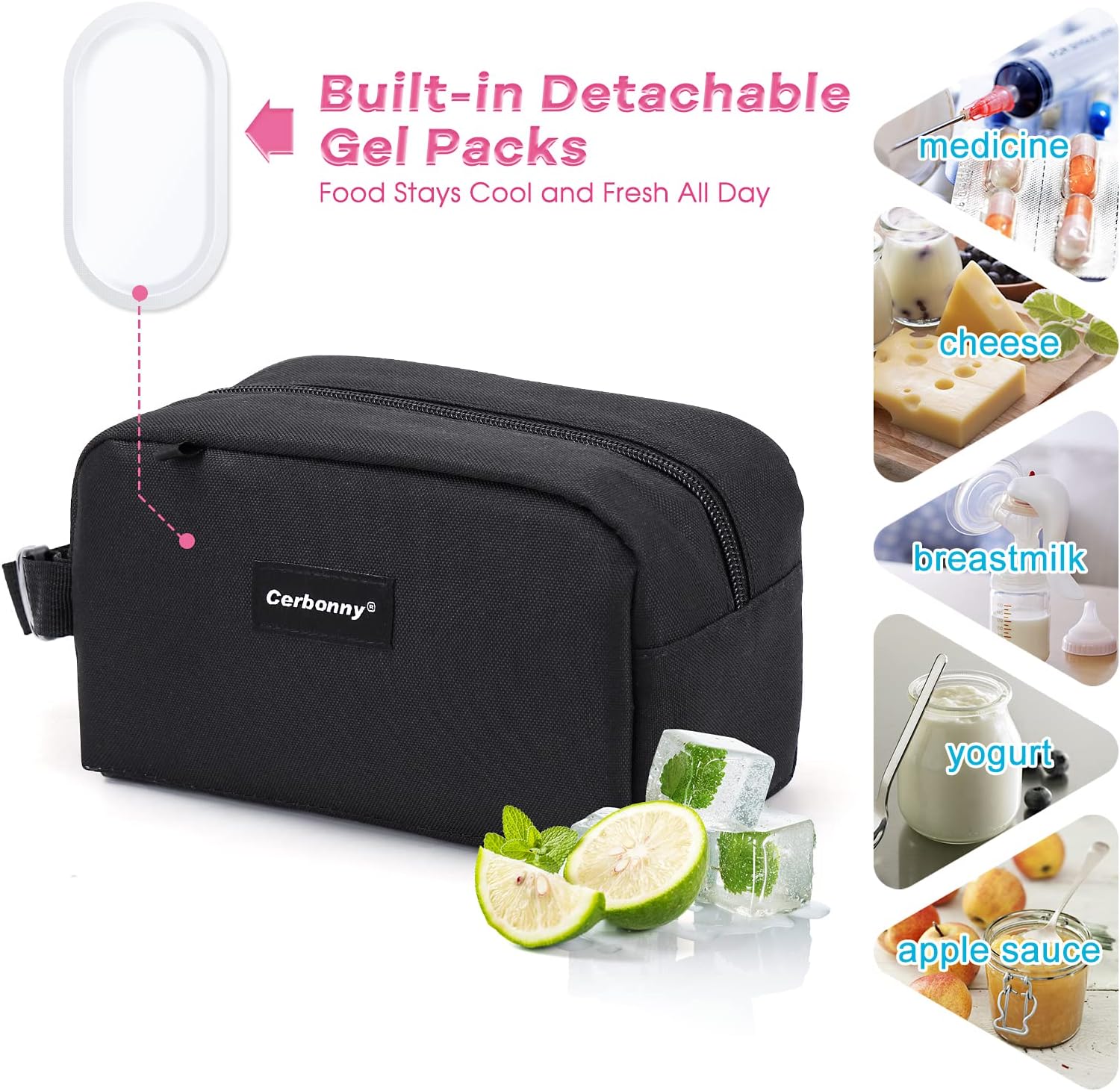 Roland’s practical pickCerbonny Small Lunch Bag With Ice PacksSee product details and current availability on Amazon.Affiliate link · Price and availability may change.Check on Amazon As an Amazon Associate I earn from qualifying purchases.
4. Greek-style yoghurt, oats and berries
Put plain Greek-style yoghurt, oats and frozen berries in a container. Add the oats just before eating if you like more texture. Check the label when buying yoghurt: varieties differ in protein, and some dessert-style pots contain much less than you might expect.
Best for: a quick break or a meal after a night shift when you want something light. Add a banana or a handful of nuts if you need a more substantial meal. Use a fridge or insulated cool bag with ice packs.
5. Turkey or chicken mince chilli
Brown a pack of mince, then add canned tomatoes, kidney beans, onion and chilli seasoning. Eat it with a potato, rice or a tortilla. The beans stretch the mince across more portions, which is one of the easiest ways I know to bring the cost down without making the meal tiny.
Best for: batch cooking for several shifts. Freeze portions you will not use promptly, especially when your rota changes at short notice. If you serve it with rice, follow the stricter storage rules for cooked rice.
6. Hummus, egg and crunchy-veg pita
Fill a pita with hummus, sliced hard-boiled eggs, cucumber and grated carrot. Pack the vegetables separately if you want the bread to stay firm. It takes very little assembly once the eggs are cooked.
Best for: a cold lunch when your workplace has no microwave. Hummus brings flavour; the eggs make the protein part more substantial. Chill it until your break.
7. Tofu and edamame noodle bowl
Use ready-to-eat noodles or cooked noodles, firm tofu, thawed edamame and shredded veg. Add soy sauce and a little lime or another dressing you enjoy. Check the tofu packet, as some varieties need cooking before eating.
Best for: a meat-free lunch that can be eaten cold, provided the ingredients are prepared and stored according to their labels. If you are especially hungry, increase the noodles rather than expecting the vegetables alone to carry you through a long shift.
8. Sardines or mackerel on toast with beans
Warm baked beans, put them on toast, and add a small tin of sardines or mackerel. It is a cupboard meal you can make in minutes after work. If the combination is not for you, eat the fish with a jacket potato and salad instead.
Best for: getting home late with almost nothing fresh in the fridge. I usually tell clients to keep two or three meals like this in reserve for the nights when cooking from scratch will not happen.
9. Chicken and chickpea couscous pot
Prepare couscous according to the packet, then stir through cooked chicken, drained chickpeas, chopped peppers and lemon juice. Use leftover chicken or ready-cooked chicken if that genuinely saves you time. Check the use-by date and storage instructions on packaged meat.
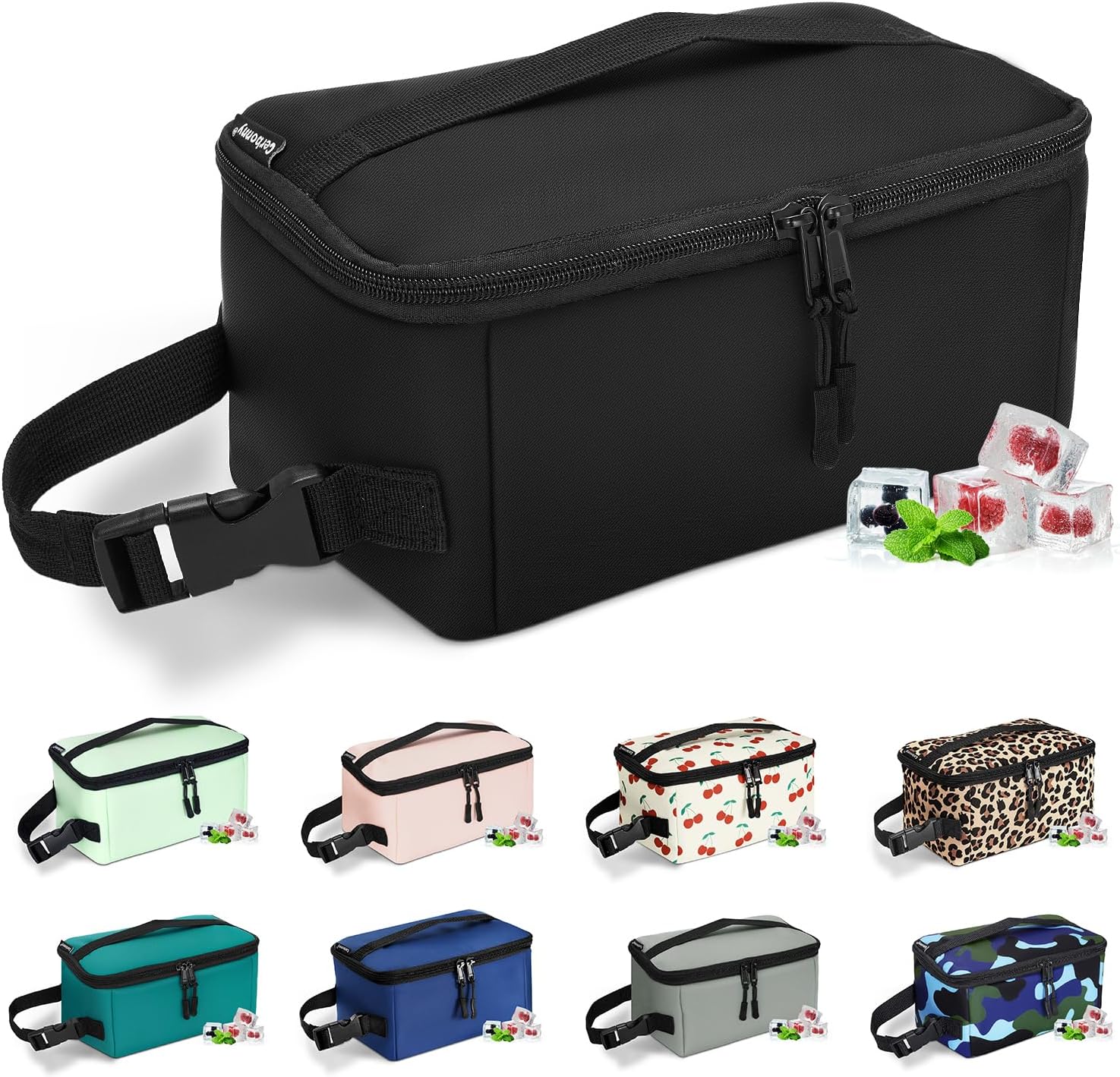 Roland’s practical pickCerbonny Cooler Freezable Insulated SchoolSee product details and current availability on Amazon.Affiliate link · Price and availability may change.Check on Amazon As an Amazon Associate I earn from qualifying purchases.
Best for: a packable lunch with no reheating. Make the portion satisfying enough for your shift; a few pieces of chicken scattered over a large bowl of couscous may not be the protein-rich meal you intended.
10. Cheese, bean and spinach quesadilla
Mash canned beans lightly, spread them over a tortilla, add grated cheese and spinach, then fold and toast in a pan until hot. Cut it into wedges. You can make one in roughly the time it takes to wait for a delivery order, using mostly cupboard and fridge basics.
Best for: a quick meal before a late shift or when you get home. Add plain yoghurt and chopped tomatoes on the side if you have them.
How I would prep these meals around your rota
I would not cook ten different dishes in one go. Choose two meals that share ingredients and one emergency meal made from cupboard food. For example, chicken can go into rice boxes and couscous pots; a bag of frozen veg works with the rice boxes and the chilli. Keep tins of beans, fish and tomatoes for weeks when your rota changes.
Here is the simple routine I would use:
- Check the next three shifts. Note your start time, likely break and access to a fridge or microwave.
- Pick two main meals. Make one that reheats well and one you can eat cold.
- Buy a backup. Keep ingredients for a jacket potato, eggs on toast or a bean quesadilla at home.
- Pack the night before when needed. Put chilled food back in the fridge immediately; add an ice pack when you leave if you cannot refrigerate it at work.
If you work an early shift, breakfast might be yoghurt and oats before leaving, with a chicken pot for your main break. For a late shift, I would have a proper meal before work and take a wrap or couscous pot. On nights, a meal before starting and a lighter option during a short break may feel more manageable than forcing down one very large meal in the middle of the night. Your hunger and digestion are worth paying attention to; there is no special clock time when protein suddenly stops counting.
Keep packed food safe on long shifts
This is the detail people often miss. Cooked meat, eggs, dairy, tofu and prepared meals need appropriate chilling. Put leftovers in the fridge or freezer promptly after cooking, follow use-by dates, and use a fridge at work where available. If there is no fridge, take a suitable insulated bag with ice packs and avoid leaving perishable food warm in a car or locker all shift.
Be particularly careful with cooked rice: cool it quickly, ideally within one hour, refrigerate it, use it within 24 hours and reheat it only once. Reheat other leftover meals until steaming hot throughout as well. If you cannot keep a meal cold or reheat it safely, choose a shelf-stable backup and prepare it when you are ready to eat.
Common mistakes that make shift meals harder
The first is packing a meal that looks healthy but is too small for the length of the shift. If you are hungry two hours later, add a more generous portion of potatoes, bread, rice or beans next time. You do not need to blame a lack of willpower for an inadequate lunch.
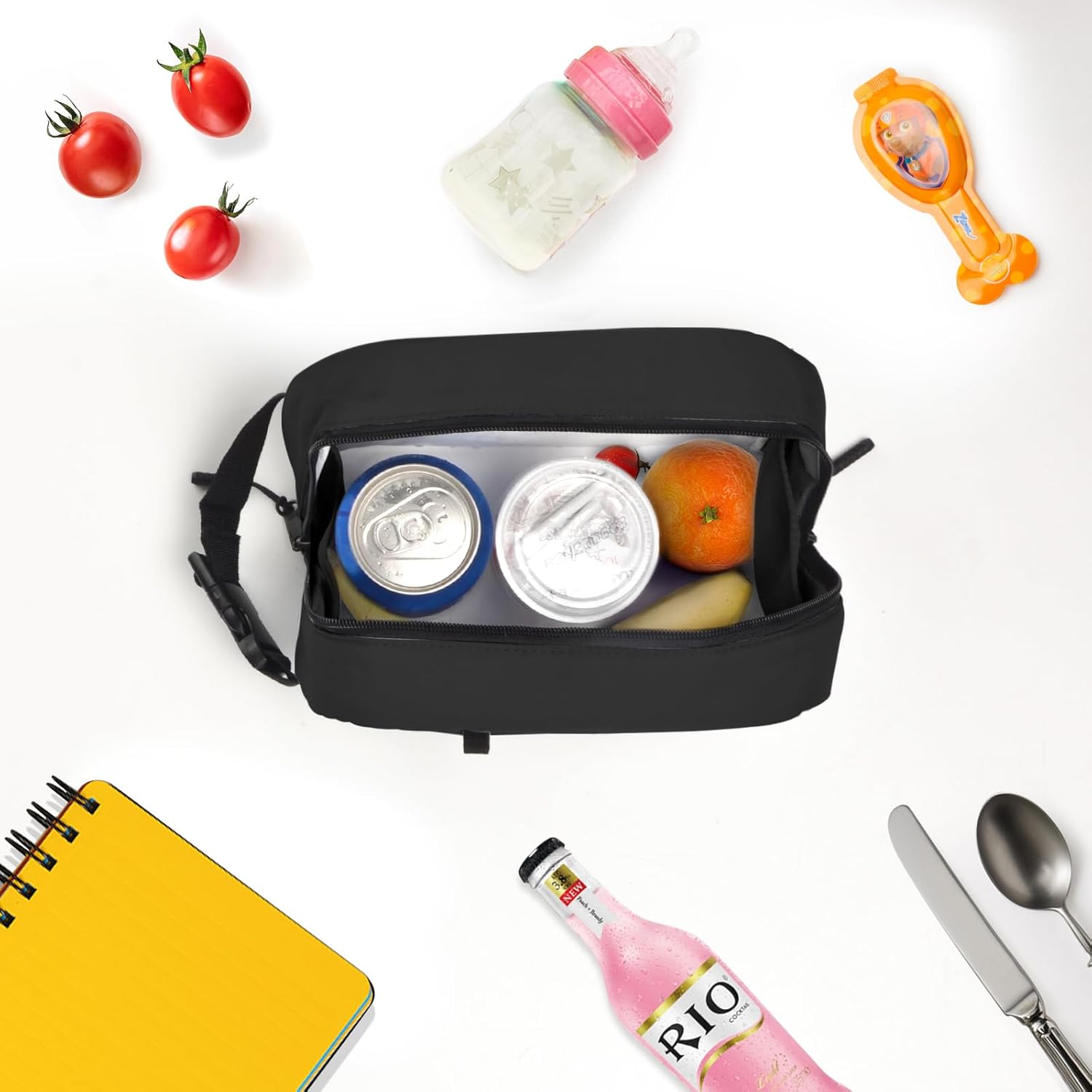 Roland’s practical pickCerbonny Small Cooler Lunch PacksSee product details and current availability on Amazon.Affiliate link · Price and availability may change.Check on Amazon As an Amazon Associate I earn from qualifying purchases.
The second is making food you do not enjoy. Chicken and plain broccoli will not become more appealing because it is in five matching containers. Use sauces, spices and familiar meals. I would rather see you take a simple, satisfying bean and cheese wrap than throw away an elaborate meal-prep box.
The third is relying on protein bars as the whole plan. One can be useful when your break disappears, but it rarely replaces the value of a proper meal with fruit or vegetables and enough food to keep you going. Keep convenient options as a backup, not your only option.
What I would focus on first
If we were simplifying your week together, I would start with one reliable meal for your busiest shift and one backup at home. I would make sure the meal has a clear protein source, enough overall food and a safe way to store it. Then I would repeat what works before adding variety.
You do not need to count every gram of protein to benefit from more consistent meals. If you want a specific intake target for training or body composition, it should fit your full diet and circumstances. If you have kidney disease, another medical condition that affects your diet, or have been given a prescribed eating plan, check changes to your protein intake with your GP or a registered dietitian.
Frequently asked questions
What can I eat on a night shift that is high in protein?
Try a chicken and couscous pot, an egg wrap or Greek-style yoghurt with oats. I would have a substantial meal before starting if that suits you, then pack something manageable for your break. The best choice is one you can store safely and comfortably eat at the time you actually get a break.
What if there is no fridge or microwave at work?
Take a cold meal in an insulated bag with ice packs, or choose shelf-stable ingredients such as unopened tins and assemble the meal when you eat. Do not leave prepared meat, dairy or egg meals unrefrigerated for a long shift. Check packaging instructions for individual products.
Are high-protein meals for shift workers expensive?
They do not have to be. Eggs, canned beans, lentils, plain yoghurt, tinned fish and frozen vegetables give you plenty of options. Compare the cost of a full meal rather than judging ingredients by the price of one pack. Reusing ingredients across two recipes helps reduce waste.
Do I need protein powder for shift work?
No. It can be convenient, but you can build meals around normal foods. I would first make sure you have meals you can actually take, store and eat at work. If powder makes a particular day easier, use it as a tool rather than a requirement.
Can I meal prep for all five workdays at once?
You can prepare components ahead, but do not assume a cooked meal will keep safely in the fridge for five days. Follow the storage instructions for the ingredients and freeze portions you will eat later. Cooked rice needs particular care and should be eaten within 24 hours when refrigerated.
A simpler way to eat well around shifts
The best high-protein meals for shift workers are the ones that suit your rota, budget and workplace facilities. Pick two ideas from this list that share ingredients, make one for your next shift, and keep a cupboard backup ready for the day your break changes. That small bit of preparation is more useful than an ambitious plan you cannot keep up.
If you want a nutrition and training plan built around your schedule, I can help you put one together through SykerFlex coaching.
Nutrition coaching
Make nutrition work around your schedule.
I will help you build a realistic eating plan around your routine, preferences and goals—without extreme restrictions.
About the author
Roland Balogh
I’m a certified Personal Trainer and Nutritionist helping people build strength, improve their nutrition and stay consistent—without extreme plans or living in the gym.- Certified Personal Trainer
- Qualified Nutritionist
- Online Fitness Coach
Keep reading