How Much Protein Do I Need to Lose Weight?
How much protein to lose weight is a high-interest question because protein is everywhere right now: protein yoghurts, bars, cereals, shakes and high-protein recipes. Protein can help fat loss, but it is not magic. It works best when it supports a calorie deficit and strength training.
Quick Answer
Many active people do well with roughly 1.4–2.0g protein per kg of body weight per day. If you are dieting hard, training with weights or trying to maintain muscle, the higher end may be useful. If you are less active, smaller or new to training, you may not need the top end immediately.
Why Protein Helps During Fat Loss
Protein helps in three main ways. First, it supports muscle retention. When calories are lower, your body needs a reason to keep muscle. Strength training provides the signal and protein provides the building blocks. Second, protein helps fullness. A high-protein meal usually controls hunger better than a low-protein meal with the same calories.
Third, protein makes meals more structured. If every meal starts with a protein source, the rest of the plate becomes easier to organise. You are less likely to build meals only around snacks, bread, cereal or random convenience foods.
Protein does not replace the calorie deficit. You can eat high protein and still not lose weight if calories are too high. But protein makes the deficit easier to maintain.
How to Calculate Your Protein Target
A simple method is to multiply body weight in kilograms by 1.4 to 2.0. For example, an 80kg person might aim for 112g to 160g per day depending on training, appetite and goal. If someone has a lot of weight to lose, using target body weight can sometimes produce a more realistic number.
This is not a medical prescription. People with kidney disease, medical conditions, pregnancy or medication concerns should ask a qualified professional before making major diet changes.
For most healthy active people, the key is consistency. Hitting a reasonable protein target most days beats chasing a perfect number once per week.
How Much Protein Per Meal?
A practical target is 25–45g protein per main meal. Smaller people may need less, larger lifters may need more. The aim is to spread protein across the day rather than eating nearly all of it at dinner.
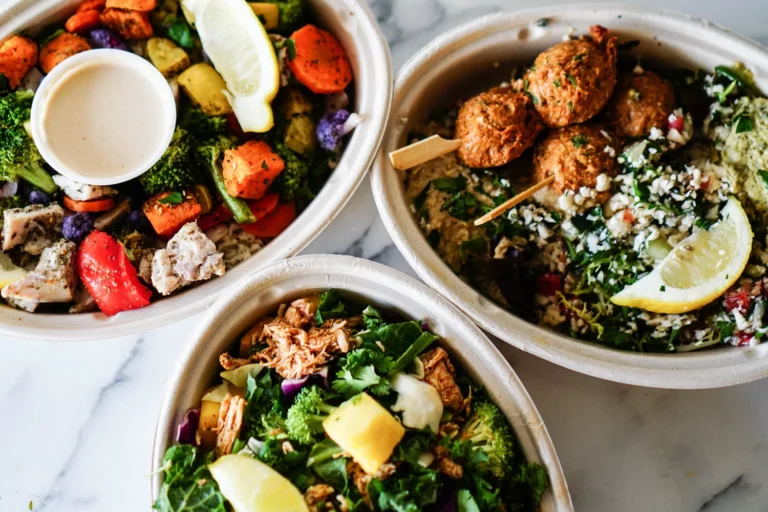
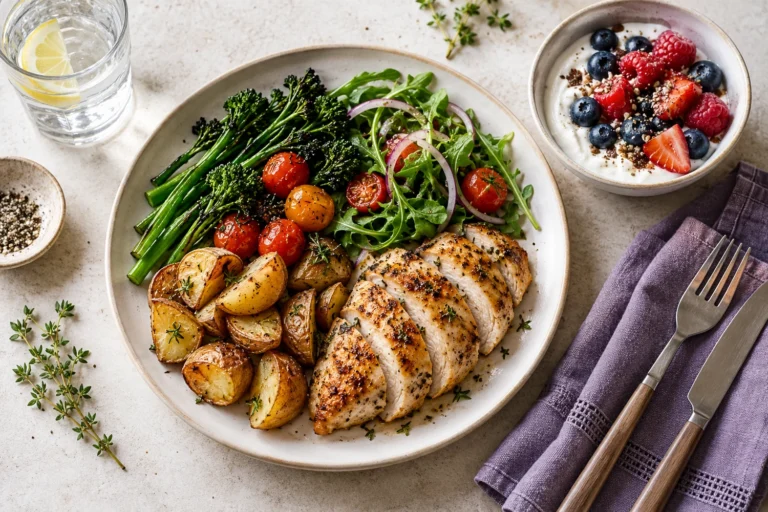
Examples: Greek yoghurt with oats and berries can provide 25–35g. Chicken rice bowls can provide 35–50g. Eggs with toast may need extra yoghurt or cottage cheese if you want a higher-protein breakfast. Tofu stir-fry can work well when the tofu portion is large enough.
Best Protein Foods for Weight Loss
- Chicken and turkey: lean, easy to meal prep and flexible.
- Eggs: useful at breakfast, but watch added fats.
- Greek yoghurt: convenient, filling and good for sweet meals.
- Fish: high protein, with oily fish adding healthy fats.
- Lean beef: protein plus iron and zinc.
- Tofu and tempeh: strong plant-based options.
- Beans and lentils: fibre plus some protein, best paired with other protein sources if needed.
- Whey protein: convenient, not mandatory.
High-Protein Day Example
Breakfast could be Greek yoghurt, oats and berries. Lunch could be a chicken wrap with salad. Snack could be cottage cheese with fruit or a whey shake. Dinner could be salmon with potatoes and vegetables. This structure hits protein without needing six meals or boring food.
The important detail is that protein appears early in the day. If breakfast and lunch are low protein, evening hunger often becomes harder to control.
Protein Mistakes That Stop Progress
The first mistake is adding protein products on top of normal calories instead of replacing lower-quality snacks. A protein bar still has calories. The second mistake is relying only on shakes and feeling hungry because meals lack volume. The third mistake is ignoring fibre. Protein and fibre together work better than protein alone.
The fourth mistake is thinking high protein means unlimited food. Fat loss still requires a calorie deficit.
How Protein Fits With Training
Protein works best with resistance training. Lifting weights tells your body to keep or build muscle. Protein supports recovery from that training. If you only diet and do cardio, you may lose scale weight but not get the body composition result you want.
Train two to four times per week if possible. Combine that with walking and protein-rich meals. That is a strong fat-loss foundation.
How to Use This Advice Without Overcomplicating It
The best plan is the one you can repeat when work is busy, motivation is low and your routine is not perfect. Pick two actions from this article and apply them for the next 14 days. Do not try to rebuild your whole lifestyle overnight. Fat loss improves when the weekly average improves.
Use the SykerFlex approach: protein first, controlled calories, daily movement, strength training, sleep, hydration and realistic flexibility. That combination beats extreme plans because it can actually become normal life.
Related SykerFlex Guides
For a stronger SykerFlex fat loss system, read walking for weight loss, protein while using weight-loss injections and weight loss plateaus.
Protein for People on Lower Calories
When calories are lower, protein becomes more important because every meal has to work harder. A low-protein calorie deficit often feels worse because hunger returns quickly and training recovery may suffer. Protein-rich meals make the smaller calorie budget feel more useful.
This does not mean eating only chicken and shakes. A better method is building meals around protein and adding fibre. Chicken with potatoes and vegetables, yoghurt with oats and berries, salmon with salad and rice, or tofu with noodles and vegetables all fit. The meal should feel complete, not like punishment.
If your appetite is low, spread protein through the day. Do not wait until dinner to fix the whole target. Smaller protein servings across the day are usually easier.
High-Protein Snacks That Actually Help
Snacks can help or hurt fat loss depending on structure. A good snack should reduce hunger and fit your calories. Useful options include Greek yoghurt, cottage cheese, boiled eggs, tuna pots, protein smoothies, lean meat slices, tofu bites or edamame. Fruit can be added for fibre and sweetness.
The mistake is using protein snacks as unlimited extras. Protein bars, shakes and yoghurts still contain calories. Use them to replace random grazing, not add more food on top of everything else.
How to Hit Protein Without Feeling Bored
Rotate flavours. Use chicken fajita bowls, turkey chilli, tuna jacket potatoes, salmon plates, egg wraps, tofu stir-fry, lean beef pasta and Greek yoghurt bowls. The protein source can stay simple while seasonings and sauces change.
This is important because boredom breaks diets. If every meal is plain chicken and broccoli, most people quit. High protein should feel practical, not miserable.
How Much Protein To Lose Weight FAQ
How much protein do I need to lose weight?
Many active people use roughly 1.4–2.0g protein per kg of body weight per day, but exact needs depend on body size, training and health status.
Does protein burn fat?
Protein does not directly burn fat, but it helps fullness and muscle retention, which can make a calorie deficit easier.
Can I eat too much protein?
Very high protein can crowd out other nutrients and may not be suitable for everyone, especially people with kidney disease or medical conditions.
Is whey protein required?
No. Whey is convenient, but whole foods such as eggs, chicken, fish, yoghurt, tofu and beans can also work.
Editorial Source Note
This SykerFlex article is educational and based on current health and fitness search-interest themes, plus public guidance from Google Trends, NHS, BHF, NIH/ISSN-style sports nutrition evidence and recent UK wellness trend reporting. It does not replace personalised medical advice.
Need a Simple Plan?
Need a simple fitness and nutrition plan? Book a free SykerFlex consultation.
Nutrition coaching
Make nutrition work around your schedule.
I will help you build a realistic eating plan around your routine, preferences and goals—without extreme restrictions.
About the author
Roland Balogh
I’m an Active IQ Level 3 Personal Trainer, qualified in nutrition for sport and exercise performance. I help people build strength, improve their nutrition and stay consistent—without extreme plans or living in the gym.- Level 3 Personal Trainer
- Sport & Exercise Nutrition
- Mental Health Awareness
Keep reading
Related articles