You do not need expensive powders, specialist snacks or a trolley full of chicken breast to eat more protein. If your food budget is tight, I would start with the ordinary foods in a UK supermarket: eggs, beans, lentils, yoghurt, tinned fish and the cuts of meat you can afford. The useful question is what you will actually cook and eat before it goes off.
In this guide I’ll show you ten meal ideas, how to make one shop cover several meals, and where “cheap per pack” can be misleading. The aim is an affordable, balanced week, not a claim that every meal needs a huge protein number. Your needs vary with your body, goals and health, so treat the examples as flexible meal ideas.
What are the cheapest high-protein meals?
High-protein meals on a budget usually combine an affordable protein food with a filling staple and vegetables. Think egg and bean wraps, lentil chilli with rice, tuna jacket potatoes, chickpea curry, or yoghurt and oats. Choose foods you can use across several meals, compare prices per portion, and use frozen or tinned ingredients to reduce waste.
The cheapest option in one shop is not automatically cheapest in yours. Offers change, pack sizes differ and food you throw away is not a saving. I usually tell people to compare unit prices where possible and plan around what they already have at home.
Ten cheap high-protein meal ideas
1. Eggs and beans on toast
Eggs and baked beans with wholemeal toast make a quick meal from cupboard basics. Add grilled tomatoes or frozen spinach if you have them. This works for breakfast or dinner, and there is no requirement to label it “breakfast food.”
2. Lentil chilli with rice
Cook lentils with tinned tomatoes, onion, spices and kidney beans. Serve with rice and freeze extra portions. I like this one because the same pot can become a jacket potato topping the next day, so you are not eating an identical plate twice.
3. Tuna and sweetcorn jacket potato
A baked potato, tinned tuna, sweetcorn and a little yoghurt or mayonnaise can make a substantial lunch. Add salad or leftover vegetables. If you eat fish regularly, vary the types you choose in line with your preferences and dietary advice.
4. Chickpea and vegetable curry
Simmer tinned chickpeas with tomatoes, frozen vegetables and curry seasoning. Serve with rice. If you have a little chicken, add it to stretch the meal across more portions instead of making chicken the entire base.
5. Greek-style yoghurt with oats and fruit
Plain high-protein or Greek-style yoghurt, oats and banana or frozen berries can be a quick breakfast. Check the label if protein content matters to you, because different yoghurts vary. A larger tub can cost less per serving than several individual pots.
6. Egg fried rice with peas
Use cooked rice that has been stored and reheated safely, eggs, frozen peas and chopped vegetables. Add tofu, leftover chicken or edamame if you have them. This is a good way to use small amounts of food already in the fridge; follow food-safety instructions for rice rather than leaving it at room temperature.
7. Bean and cheese quesadillas
Mash beans with seasoning, spread over a tortilla with a little cheese, and cook in a pan. Serve with tomatoes or salad. The cheese adds flavour, while beans make the filling go further.
8. Chicken and lentil pasta sauce
Use a modest amount of chicken mince or chopped chicken alongside red lentils and tomatoes. The lentils bulk out the sauce, and you can portion it over pasta for several lunches. If chicken is expensive that week, make the whole sauce with lentils.
9. Tofu and frozen vegetable noodles
Firm tofu, frozen stir-fry vegetables and noodles can be a fast dinner. A simple sauce from soy sauce, ginger and garlic is often enough. Buy tofu according to its unit price, and do not assume it is always cheaper than eggs or beans.
10. Sardines or mackerel on toast
Tinned fish on toast with lemon and sliced tomato is quick and requires little cooking. Choose an option you actually like; there is no point buying the cheapest tin if it sits untouched for months. You can also use tinned fish in pasta or with a baked potato.
These are meal ideas, not complete nutrition prescriptions. Add fruit, vegetables and other food groups across the day. The NHS Eatwell Guide is a useful check on overall balance, whether you eat meat, fish or plant-based foods.
Make one affordable shop work harder
I would plan around ingredients that cross over. A bag of potatoes can become jackets, wedges and part of a tray bake. A carton of eggs can cover breakfast and a quick dinner. Tinned tomatoes can form chilli, pasta sauce and curry. This is easier on your budget than shopping for ten completely separate recipes.
Start with three main protein foods for the week, two or three starchy staples, and vegetables that will last. Frozen vegetables can be particularly useful when your schedule changes. If you buy fresh produce, choose amounts you can realistically use and freeze suitable leftovers promptly.
A simple low-waste plan
- Check the cupboard and freezer before you shop.
- Choose two dinners that share ingredients and make useful leftovers.
- Add one five-minute meal for the night you get home late.
- Compare the price per portion, including what you are likely to waste.
For example, make lentil chilli on Sunday, use it over rice that night, and put a cooled portion in the freezer. On Tuesday, put another portion over a potato. Later in the week, make eggs on toast when you have no time to cook. That is meal planning without lining up seven identical containers.
Do you need protein powder or bars?
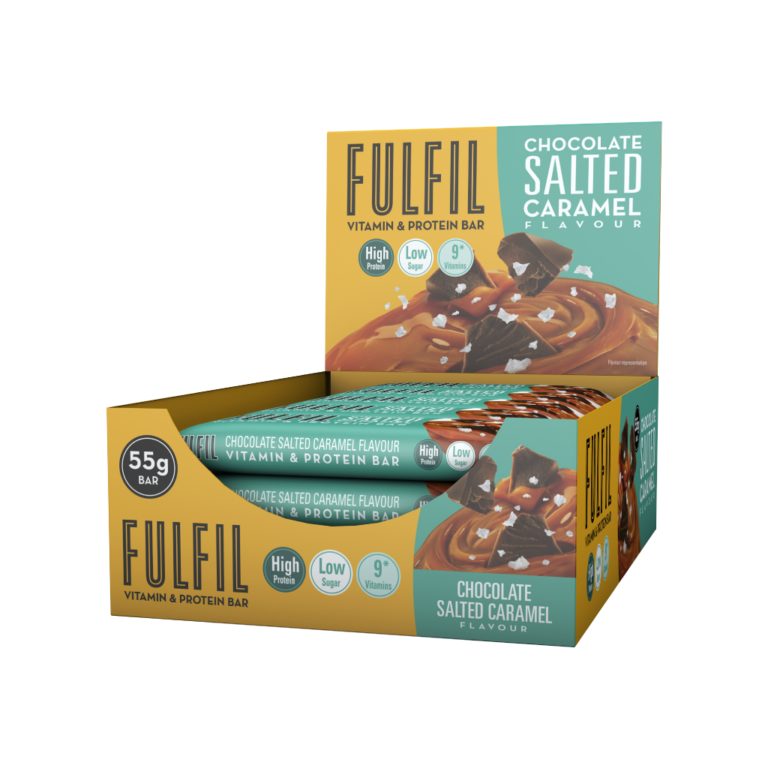
No. A shake can be convenient when food is hard to organise, but it is not the foundation of an affordable diet. I would work out what protein foods you enjoy first. A tub of yoghurt, eggs or beans may fit your shopping and appetite better than a product marketed as “high protein.”
I also watch for a common mistake: buying a premium protein snack while the main meals are small and unsatisfying. If dinner is just pasta and a little sauce, improving that meal may be more useful than adding a bar later. The label on a snack does not tell you whether it is good value for your whole week.
Protein needs differ. If you want a specific target for training, use an individual assessment rather than copying an athlete’s number from social media. If you have kidney disease or another condition that affects your diet, ask a registered dietitian or your medical team before deliberately increasing protein intake.
Common mistakes that increase the food bill
Shopping for a “perfect” recipe can leave you with half-used ingredients. I would rather see two flexible meals that use the same onion, vegetables and tins. You can vary seasoning so they do not taste the same.
Choosing only the cheapest price on the shelf can mislead too. A larger pack may save money per portion, but only if you have space and will use it. Multi-buy offers are useful when they replace something on your list, less so when they add food you did not intend to buy.
Finally, do not forget the rest of the meal. Chicken by itself is not a balanced dinner, and beans by themselves may not be satisfying. Include a carbohydrate source and vegetables or fruit as appropriate for your appetite and the day’s overall diet. A filling meal may also reduce the need to buy convenience snacks later.
What I would focus on first
I would choose two meals from the list that use at least one shared ingredient. Buy enough for leftovers, make one batch, and keep a quick backup meal such as eggs and beans. Check the actual shopping receipt and what was wasted after a week; those tell you more than a generic “cheap meals” list.
If your goal is muscle gain, weight management or simply less stressful shopping, the same principle applies: eat enough overall, include varied foods, and adjust portion sizes to your own needs. You do not have to make every plate look like a fitness meal.
Frequently asked questions
What is the cheapest protein food in the UK?
Prices change by shop and pack size. Dried lentils, tinned beans and eggs are often useful options, but compare cost per serving where you buy food. Choose foods you will use.
Can beans count as protein for a meal?
Yes. Beans and lentils are protein foods and can form the base of chilli, curry, soup or wraps. Add other foods across the day for a varied diet.
Is frozen food less healthy than fresh food?
Frozen vegetables can be a practical part of balanced meals. I use them to reduce waste and make a quick dinner possible when fresh food has run out.
Do I need meat at every meal to get enough protein?
No. Eggs, dairy foods, beans, lentils, tofu and fish offer other options. Your individual protein needs and preferences will determine the mix that suits you.
How do I meal prep without eating the same thing all week?
Prep ingredients or one base dish rather than five finished boxes. Chilli can go over rice or potatoes; cooked vegetables can join wraps, pasta or an omelette.
The next shop
High-protein meals on a budget begin with a short, repeatable shopping list and food you enjoy. Choose two recipes above, check what you already own, and buy only what you need to make those meals plus one simple backup. Then adjust next week’s list based on the food you actually ate.
If you want a practical nutrition plan that fits your training goals, food preferences and budget, I can help you build that through SykerFlex coaching.
Sources
- NHS, The Eatwell Guide: https://www.nhs.uk/live-well/eat-well/food-guidelines-and-food-labels/the-eatwell-guide/
- Cumbria, Northumberland, Tyne and Wear NHS Foundation Trust, Healthy eating on a budget: https://www.cntw.nhs.uk/resources/healthy-eating-on-a-budget
Nutrition coaching
Make nutrition work around your schedule.
I will help you build a realistic eating plan around your routine, preferences and goals—without extreme restrictions.
About the author
Roland Balogh
I’m a certified Personal Trainer and Nutritionist helping people build strength, improve their nutrition and stay consistent—without extreme plans or living in the gym.- Certified Personal Trainer
- Qualified Nutritionist
- Online Fitness Coach
Keep reading