Your day can be busy long after you stop moving. You finish work, get home, and your mind is still going over a conversation or tomorrow’s list. I would not tell you to add a complicated wellness routine to that day. A brief pause is part of why meditation matters: you can notice what is happening without needing to fix it immediately.
For some people, it can provide a manageable pause, help them notice stress sooner and make it easier to settle in the evening. It is not a cure, and you do not have to feel calm every time for the practice to be worthwhile. In this guide, I’ll explain what meditation looks like in normal life and give you a five-minute starting point you can adapt.
Why meditation matters when life is busy
Meditation is a way to practise paying attention to the present moment. You might notice your breathing, the sounds around you or how your body feels, then bring your attention back when it wanders. That brief pause may help you respond to a stressful moment more deliberately. Some people also find it helps them wind down before sleep, although experiences vary.
The NHS describes mindfulness as noticing what is happening in the present rather than getting pulled entirely into worries. Meditation is one way to practise that skill. You do not need special clothes, a quiet retreat or an hour free. The point is to try something you can actually fit into your week.
As a coach, I think of this in the same practical way I think about training habits. A small, repeatable action is easier to learn from than an ambitious routine you only manage once. If five minutes feels workable, start there. If it does not suit you, there are other ways to look after your wellbeing.
What meditation is, and what it is not
In a simple mindfulness meditation, you choose something to pay attention to. Your breath is common, but it can be the feeling of your feet on the floor, a sound in the room or the movement of a slow walk. When your mind drifts, you notice it and return to that point of attention.
Your mind will drift. You may think about a missed email, dinner or an awkward chat. That is normal. I would not call that a failed session. Noticing you have drifted is part of the practice.
You also do not have to breathe in a particular pattern or force yourself to relax. If paying attention to breathing feels uncomfortable, try noticing sounds or the contact of your feet with the ground instead. Keep your eyes open if you prefer. The exercise should be adjustable to you.
Meditation is not a replacement for sleep, exercise, medical care or mental health treatment. I would be wary of anyone promising that a few minutes a day will fix anxiety, depression, pain or your productivity. Those claims go far beyond what a short self-guided practice can reliably do.
 Roland’s practical pickAnima Premium Energy Cleansing ManifestationSee product details and current availability on Amazon.Affiliate link · Price and availability may change.Check on Amazon As an Amazon Associate I earn from qualifying purchases.
What benefits might you notice?
A pause before reacting to stress
You cannot remove every pressure from work, family life or training. You may, however, learn to spot the moment you are tense and take a breath before responding. The research on meditation and stress is promising in some settings, but results differ between people and programmes. I would judge the practice by whether it helps you in your own day, not by whether you feel permanently calm.
For example, if you arrive home frustrated after a long shift, sitting for three minutes before opening your phone might help you notice how wound up you are. You may still need to deal with the problem. The pause gives you a little room to decide what to do next.
A more deliberate transition into sleep
Some people use a short practice as part of winding down. It can be a way to stop scrolling, notice tension and give yourself a quieter transition to bed. Evidence suggests mindfulness practices may improve sleep quality for some people, but they are not a guaranteed answer to ongoing insomnia.
I would keep the rest of your evening realistic too. If you are regularly short on sleep, a five-minute meditation will not make up for a schedule that allows too little time in bed. If sleep problems are persistent or affecting daily life, speak to a health professional.
More awareness around everyday habits
Meditation does not make someone automatically disciplined. It may help you notice habits that happen on autopilot: rushing through lunch, reaching for your phone between sets, or saying yes to another task when you are already stretched. Noticing a pattern is a first step toward deciding whether you want to change it.
This is the part I find most relevant to coaching. A person does not need to monitor every thought to train or eat well. Sometimes it helps to pause and ask, “What do I need now?” The answer might be food, rest, a walk, a conversation or simply getting on with the plan you made earlier.
A five-minute meditation you can try today
Choose a place where you can sit safely and comfortably. A chair is fine; there is no need to sit on the floor. Set a gentle five-minute timer if you want one, and put your phone out of sight. Then try this:
- Sit with your feet on the floor and let your shoulders settle. Keep your eyes open or closed.
- Pick one thing to notice: the natural movement of breathing, your feet against the floor or a sound nearby.
- When a thought takes your attention, quietly recognise it. You do not have to finish the thought or push it away.
- Bring your attention back to what you chose. Repeat that as often as needed.
- When the timer ends, notice how you feel and carry on with your day. No particular feeling is required.
If five minutes feels too long, try two. If you lose track almost immediately, that does not mean you are bad at meditation. The exercise is returning to your chosen point, and you may do that many times in one short session.
You can also try a slow, mindful walk. Notice your feet meeting the ground and the sounds around you. Choose a safe place and stay aware of traffic and other people; do not try a closed-eye practice while moving.
 Roland’s practical pickCalmveda Palo Santo Incense CharcoalSee product details and current availability on Amazon.Affiliate link · Price and availability may change.Check on Amazon As an Amazon Associate I earn from qualifying purchases.
Where meditation can fit into a normal week
I recommend attaching it to something that already happens. You could sit for a few minutes after making your morning tea, before changing out of your work clothes, or after brushing your teeth at night. You do not need to meditate at the same clock time every day, especially if you work changing shifts.
Around training, it can be a short pause before you enter the gym or a quieter moment after your session. It does not replace a warm-up, cool-down or rest. If you are about to exercise, choose a setting that leaves you alert to your surroundings and ready for what you are doing.
On very busy days, use the smallest version. Sit, feel your feet on the floor, notice three natural breaths and move on. I would not turn a missed day into another thing to feel guilty about. If it helps, return to it tomorrow.
Common mistakes that make meditation harder
The first is expecting an empty mind. Thinking is not a sign that you cannot meditate. If your thoughts are busy, you have plenty of chances to practise noticing and returning. I would measure success by showing up and trying the process, not by counting how long your mind stayed quiet.
The second is choosing a routine that is too large. A thirty-minute guided session can be useful, but it is not a requirement for a beginner. A short practice after an existing habit is more realistic for someone juggling work, family and training.
The third is buying equipment before you know what you like. A chair and a timer are enough. An app, cushion or headphones can be helpful if you enjoy them, but the practice does not depend on a product.
The fourth is using meditation to ignore a problem that needs action. If you are exhausted because your schedule gives you too little sleep, anxious because of a difficult situation, or struggling with your mental health, a pause may be supportive but it may not solve the cause. Ask for appropriate help when you need it.
What if meditation makes you feel worse?
Meditation does not suit everyone. Sitting quietly can sometimes make worry, difficult memories or uncomfortable feelings more noticeable. If that happens, stop. You could try a shorter practice with your eyes open, focus on sounds around you, go for an ordinary walk or leave meditation aside altogether.
If you are experiencing significant anxiety, depression, trauma-related symptoms or thoughts of harming yourself, speak with a GP or appropriate mental health professional about what support is right for you. A self-guided article is not a treatment plan. The NHS also notes that mindfulness may not be right for everyone, and that is a perfectly valid outcome.
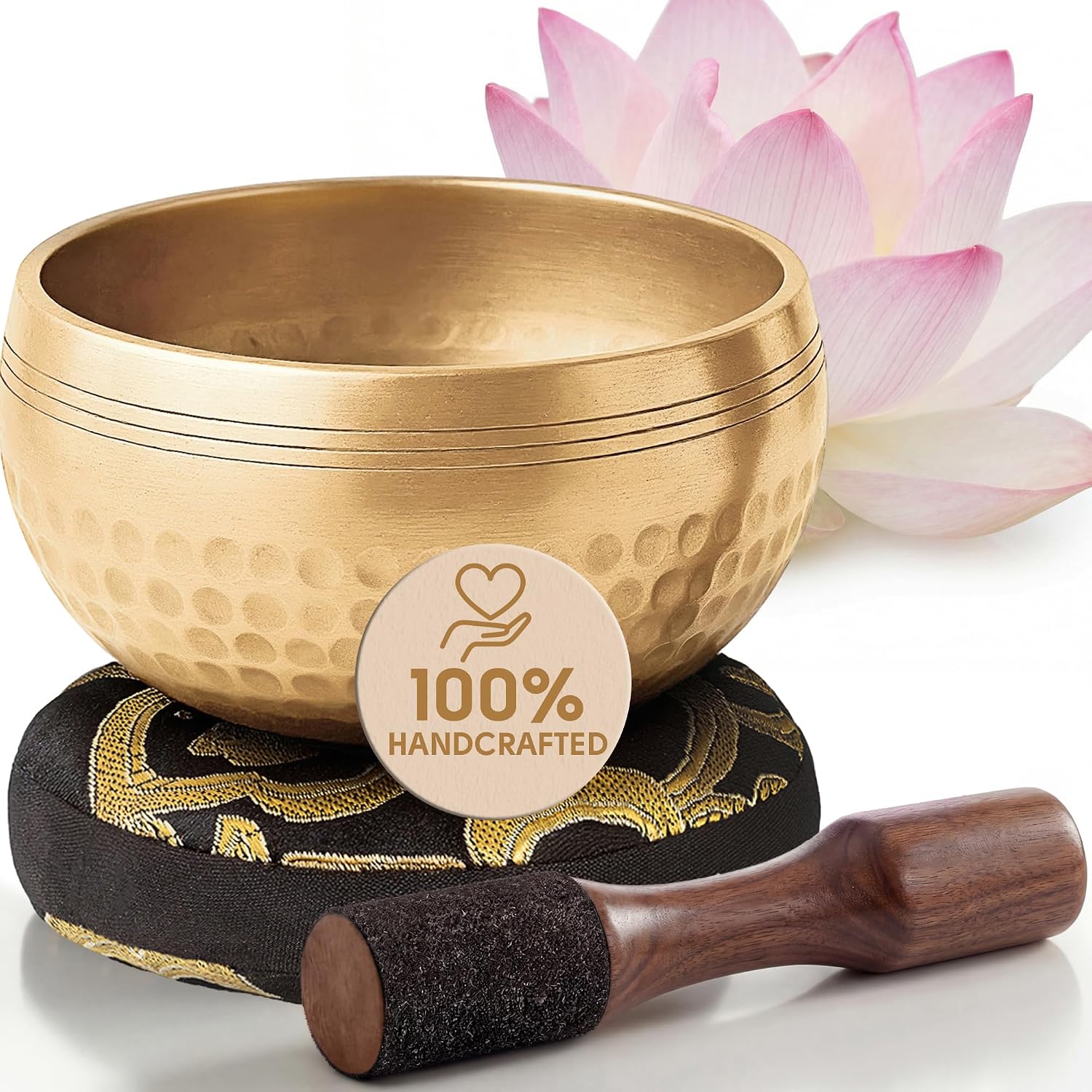 Roland’s practical pickTibetan Singing Bowl Set Hand TunedSee product details and current availability on Amazon.Affiliate link · Price and availability may change.Check on Amazon As an Amazon Associate I earn from qualifying purchases.
What I would focus on first
I would start with one five-minute session on a day when you are not rushing. Choose a comfortable chair, a point of attention that feels okay, and a moment you can repeat a few times this week. Notice whether it is useful in your day, without expecting a dramatic change.
If you find yourself enjoying it, you can keep the same short routine or try an NHS beginner guide. If you do not enjoy sitting, try a mindful walk or another calming activity. What matters is finding a practical way to look after yourself, not adding another rule to follow.
Frequently asked questions about meditation
How long should a beginner meditate?
Start with two to five minutes if that feels manageable. There is no special length you must reach before it counts. You can add time later if the practice is useful and fits your day.
Is meditation the same as mindfulness?
Mindfulness is paying attention to the present moment with openness. Meditation is one structured way to practise it. You can also be mindful during an ordinary walk, a meal or another daily activity.
Do I need to close my eyes or sit on the floor?
No. Sit in a comfortable chair with your eyes open if you prefer. You can choose a sound or the feeling of your feet on the floor instead of focusing on your breath.
Can I meditate after a workout?
Yes, if you find it useful. Take care of your usual recovery needs first, then use a few quiet minutes to settle. Meditation is an optional addition to your routine, not a replacement for food, water or rest.
What if meditation makes me anxious?
Stop the practice and choose something that feels more grounding, such as noticing objects in the room or taking a normal walk. If the distress is strong or keeps happening, speak with a health professional rather than trying to force yourself through it.
The takeaway
Why meditation matters is personal. For one person it is a brief pause after work; for another it is a way to wind down or notice a stressful pattern sooner. You do not need to believe it will change everything. Try five minutes once this week, notice whether it helps, and decide if it deserves a place in your routine.
If you want a training and nutrition plan that accounts for your real schedule, recovery and habits, that practical approach is what I work on with my SykerFlex coaching clients.
Sources
- NHS Every Mind Matters, What is mindfulness?: https://www.nhs.uk/every-mind-matters/mental-wellbeing-tips/what-is-mindfulness/
- NHS Every Mind Matters, How to meditate for beginners: https://www.nhs.uk/every-mind-matters/mental-wellbeing-tips/how-to-meditate-for-beginners/
- National Center for Complementary and Integrative Health, Meditation and Mindfulness: Effectiveness and Safety: https://www.nccih.nih.gov/health/meditation-and-mindfulness-effectiveness-and-safety
Online coaching
Build a plan that fits your real life.
Get personalised training, practical nutrition guidance and clear accountability from me each month.
About the author
Roland Balogh
I’m a certified Personal Trainer and Nutritionist helping people build strength, improve their nutrition and stay consistent—without extreme plans or living in the gym.- Certified Personal Trainer
- Qualified Nutritionist
- Online Fitness Coach
Keep reading