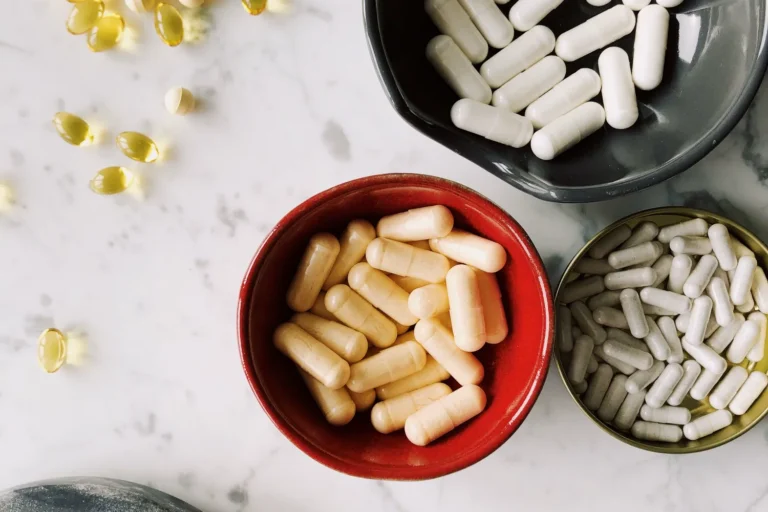
Pre-workout sits in an awkward place. It can genuinely make some people feel more alert and help them train harder, but it can also be an expensive flavoured caffeine drink wrapped in aggressive marketing. The answer depends on the formula, your training time, your caffeine tolerance and what problem you expect it to solve.
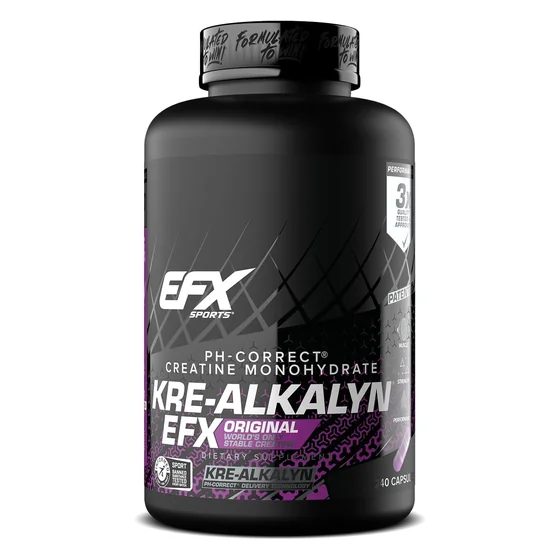 Product optionEFX Kre-Alkalyn Creatine CapsulesCreatine capsules in a convenient format.Affiliate link · Price and availability may change.Check on Amazon As an Amazon Associate I earn from qualifying purchases.
As a coach, I do not put pre-workout near the top of anyone’s priority list. A useful programme, enough food, hydration and sleep matter far more. Once those basics are reasonably consistent, a well-labelled product may be convenient. You just need to know what is doing the work.
Short answer: pre-workout may be worth it if you want a convenient, measured source of caffeine and the label contains useful ingredient amounts. It is not essential for muscle gain or fat loss. If coffee already improves your session, or you train late and caffeine harms your sleep, the extra ingredients and cost may offer little practical value.
What pre-workout is supposed to do
Most products promise some mix of energy, focus, endurance, strength and a bigger muscle “pump.” Those are different effects, and no single ingredient reliably delivers all of them. The noticeable buzz usually comes from caffeine. Tingling commonly comes from beta-alanine. A stronger pump may come from ingredients that influence blood flow, such as citrulline.
That distinction matters because a sensation is not the same as better performance. A product can make your face tingle and your heart feel faster without meaningfully improving your workout. I judge it by whether you complete more good-quality work, maintain effort late in the session or train with better focus—not by how dramatic the first ten minutes feel.
The ingredient that usually matters most: caffeine
Caffeine is one of the best-researched performance ingredients. It can support alertness and aspects of exercise performance for many people, although the response varies. Some feel a clear benefit; others feel anxious, shaky or no better at all.
The dose on the label is more useful than the name on the tub. Check the amount per serving and then check how many scoops count as a serving. Some products display an impressive ingredient panel for two scoops while the front highlights the number of single-scoop servings.
Remember the rest of your day. Coffee, tea, energy drinks, cola, chocolate and some medicines can all add caffeine. Looking only at the pre-workout scoop can give you a false idea of your total intake.
More caffeine is not automatically better
A moderate amount may improve a session; a very high amount can produce jitters, stomach upset, a racing heartbeat or poor concentration. It may also mask how tired you really are. I would start low, assess your response and never treat the maximum serving as a target.
The European Food Safety Authority reports that single caffeine doses up to 200 mg generally do not raise safety concerns for healthy adults, while total intakes up to 400 mg across the day generally do not raise concerns. These are broad population figures, not a personal prescription. Pregnancy, medication, anxiety, blood-pressure issues and other health conditions change the conversation.
Timing can turn a helpful scoop into a bad trade
Caffeine can remain active for hours. If you train at 7pm, a strong pre-workout may help that session but delay sleep, make sleep lighter or leave you tired the next day. That can reduce training quality across the rest of the week.
For evening clients, I often prefer a stimulant-free product, a small carbohydrate snack, a proper warm-up or simply no supplement. Protecting sleep is usually worth more than forcing one energetic late session.
What the other common ingredients actually mean
Citrulline
L-citrulline or citrulline malate is added to support nitric-oxide production and blood flow. Some research suggests a possible benefit for repeated high-intensity efforts or training volume, but findings are mixed and formulas differ. The useful point for a buyer is that a tiny amount in a long blend is unlikely to transform a workout.
If you enjoy the pump and the product is transparent about the amount, that may be a reasonable preference. I would still view it as an optional extra, not the foundation of progress.
Beta-alanine
Beta-alanine can support performance in certain hard efforts by increasing muscle carnosine over time. It is not mainly an instant energy ingredient. The familiar skin tingling can occur soon after taking it, but that sensation does not prove it has improved the session.
Because the potential benefit comes from regular use over weeks, putting beta-alanine only in an occasional pre-workout may be a poor match. Some people also dislike the tingling. Splitting intake can reduce the sensation, but there is no need to use it unless it suits your training and priorities.
Creatine
Creatine monohydrate is well supported for strength and high-intensity performance when taken consistently. It does not need to be taken immediately before training. If a pre-workout contains a full transparent daily amount and you use it every day, fine. If you use that product only twice a week, separate creatine is usually simpler and often cheaper.
I would not pay extra for a complicated-sounding creatine form without a clear reason. Plain creatine monohydrate remains the sensible default for most suitable adults.
B vitamins, taurine and “focus blends”
B vitamins are essential nutrients, but adding huge percentages of the reference intake does not create energy in the way marketing implies if you are not deficient. Taurine and various amino acids may have plausible roles, but the evidence and useful amounts differ by ingredient.
When ten ingredients sit inside one undisclosed blend, you cannot tell whether any has been included in a meaningful amount. That is why I prefer fully disclosed labels.
How to read a pre-workout label in five steps
- Find caffeine per serving. Include every source listed, not only caffeine anhydrous.
- Check the serving size. Work out whether the headline formula requires one scoop or two.
- Look for exact ingredient amounts. Be cautious with proprietary blends that hide the breakdown.
- Check warnings and allergens. Do not assume a sports supplement is suitable for everybody.
- Work out cost per actual serving. Divide the tub price by the number of servings you would really use.
I would also look for independent batch testing, especially if you compete in a drug-tested sport or work in a role with testing requirements. Contamination and inaccurate labels are possible in the supplement market. A certification does not make a product necessary, but it provides another layer of quality control.
Pre-workout versus coffee
If caffeine is the main ingredient you want, coffee can be the cheaper option. A coffee and a piece of fruit before training gives caffeine plus carbohydrate, assuming both agree with your stomach. The limitation is that caffeine content in coffee varies by bean, size and preparation, so it is less precise.
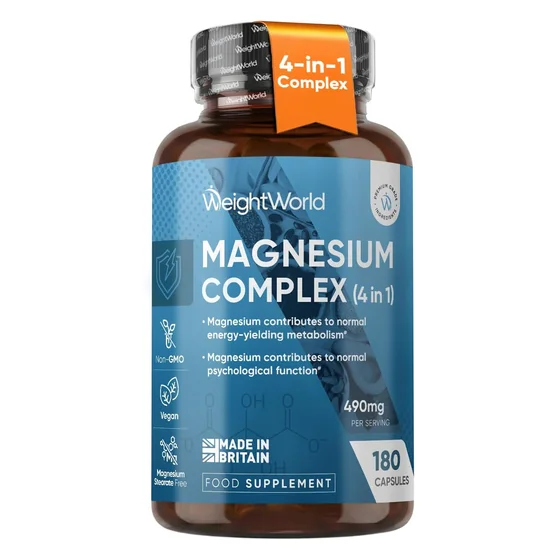 Product optionWeightWorld Magnesium Complex 4-in-1Magnesium capsules for a simple supplement routine.Affiliate link · Price and availability may change.Check on Amazon As an Amazon Associate I earn from qualifying purchases.
A pre-workout is more convenient if you like a cold drink, want a known label dose and value the other ingredients. You are paying partly for flavour, packaging and convenience. There is nothing wrong with that as long as you understand it.
A stimulant-free pre-workout may suit evening training, but read it with the same scepticism. “Stim-free” does not automatically mean effective, and a colourful drink is not required for a strong session.
Who might benefit most?
It can be useful for an early-morning trainee who tolerates caffeine, someone doing a demanding session after work, or an athlete who has tested the product and knows it supports performance. It may also help when convenience makes the alternative skipping food and arriving flat.
It is less attractive for a beginner who has not yet built a consistent programme, someone who trains near bedtime, a person already drinking several caffeinated drinks or anyone who feels dependent on stimulants to complete an ordinary session.
I pay attention to the language “I cannot train without it.” That can reflect habit, sleep debt or caffeine withdrawal rather than a genuine need for the product. A week of gradually reducing caffeine may reveal whether your normal energy has been hidden by tolerance.
What pre-workout cannot fix
It cannot replace a progressive programme. Feeling intense during random workouts is not the same as getting stronger. It cannot compensate for regularly eating too little, being dehydrated or sleeping five hours. It does not directly burn enough fat to rescue an inconsistent diet.
It also cannot make unsafe technique acceptable. In fact, a large stimulant dose can make some people rush sets and ignore warning signs because they feel highly activated. Use the extra alertness to execute the plan, not to abandon it.
Common mistakes I see
Dry scooping. There is no performance advantage to swallowing powder without water, and it increases the chance of choking or accidentally taking too much. Mix it as directed.
Taking a second scoop because the first was not felt. The effect may take time, and chasing a sensation can push caffeine unnecessarily high.
Stacking products. A pre-workout, energy drink and fat burner may contain overlapping stimulants. Read every label and consider the combined amount.
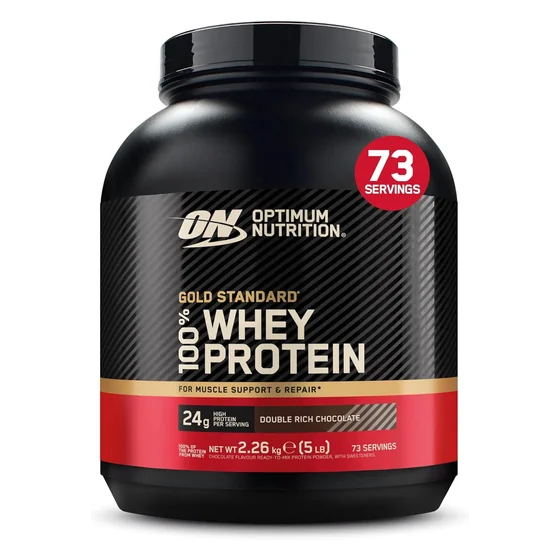 Product optionOptimum Nutrition Gold Standard WheyWhey protein powder for a convenient shake.Affiliate link · Price and availability may change.Check on Amazon As an Amazon Associate I earn from qualifying purchases.
Ignoring sleep. A great late workout followed by poor sleep can be a poor bargain. Judge the full 24 hours.
Assuming tingles mean it works. Beta-alanine tingling is a side effect, not a performance score.
Buying on flavour reviews alone. Taste matters, but check doses, servings and testing before paying for the tub.
How I would test a product
First, I would use it on a normal training day rather than before a maximal lift or an unfamiliar event. Start below the maximum label serving if the product allows, and do not combine it with another caffeine source. Take notes on energy, focus, stomach comfort, heart rate sensations and sleep that night.
Repeat under similar conditions a few times. One amazing workout could be better sleep, music, stress or expectation. One poor workout could be a hard day. You are looking for a repeatable benefit without a recovery cost.
If you need more and more to notice it, consider reducing your caffeine intake rather than escalating the dose. Tolerance can turn a useful tool into an expensive way to feel normal.
What I would focus on first
Before buying pre-workout, I would check whether you have a written programme, a regular training time, enough food around the session and a reasonable sleep routine. Then I would decide what you actually want: alertness, convenience, a pump or support for a specific event.
If the answer is mainly alertness, coffee may do the job. If you want the complete formula, choose a transparent label, sensible caffeine level and third-party testing where possible. Keep the product optional so a forgotten tub does not cancel your workout.
Who should be cautious or ask for advice?
Speak to a GP, pharmacist or suitably qualified dietitian before using a stimulant product if you are pregnant or breastfeeding, under 18, sensitive to caffeine, taking medication, or managing high blood pressure, heart rhythm problems, anxiety, kidney disease or another medical condition. Some medicines and supplements interact with caffeine.
Stop using the product and seek appropriate medical advice if you experience concerning symptoms such as chest pain, fainting, a persistent racing or irregular heartbeat, or severe illness. Do not treat a supplement label as individual medical clearance.
Frequently asked questions
Is pre-workout necessary to build muscle?
No. Muscle gain comes mainly from progressive resistance training, enough protein and energy, recovery and consistency. Pre-workout may help the quality of some sessions, but it is optional.
How long before training should I take pre-workout?
Follow the label. Many caffeine products are used roughly 30 to 60 minutes before exercise, but food, the formula and individual response affect timing. Test it on a normal session.
Can I take pre-workout every day?
Daily use may increase caffeine tolerance and can affect sleep or anxiety. Your total caffeine intake and health matter. I prefer keeping it for sessions where it provides a clear benefit.
Is stimulant-free pre-workout worth it?
It may be if you value ingredients aimed at blood flow or muscular endurance and the doses are transparent. It will not provide the same caffeine-driven alertness.
Can pre-workout help with fat loss?
Caffeine may temporarily increase alertness and energy expenditure, but a pre-workout does not replace a calorie deficit. Any direct fat-loss effect is likely small compared with your overall diet and activity.
Why does pre-workout make me itch or tingle?
Beta-alanine commonly causes temporary tingling called paraesthesia. It can feel uncomfortable but is not proof the product is effective. Check the label and do not exceed its instructions.
Your practical next step
Before you buy, compare three labels. Write down caffeine per real serving, whether ingredient amounts are disclosed and the price per serving. If one still makes sense, test the smallest practical serving early enough that you can judge both the workout and that night’s sleep.
If you want help deciding which supplements fit your training, health considerations and budget, SykerFlex coaching can include that review. My aim is to keep the useful pieces and remove the products that only make the cupboard busier.
Sources and further reading
- International Society of Sports Nutrition position stand: caffeine and exercise performance
- European Food Safety Authority scientific opinion on caffeine safety
- MedlinePlus: caffeine
Personalised coaching
Build the plan before chasing supplements.
I can help you organise your training, everyday nutrition and recovery so every product has a clear purpose.
About the author
Roland Balogh
I’m an Active IQ Level 3 Personal Trainer, qualified in nutrition for sport and exercise performance. I help people build strength, improve their nutrition and stay consistent—without extreme plans or living in the gym.- Level 3 Personal Trainer
- Sport & Exercise Nutrition
- Mental Health Awareness
Keep reading
Related articles