Sleep is sometimes sold as the missing secret behind every fitness goal. It is not. You still need suitable training and nutrition. But when sleep is regularly short or broken, those basics become harder to execute: sessions feel heavier, hunger is more difficult to manage and recovery takes longer.
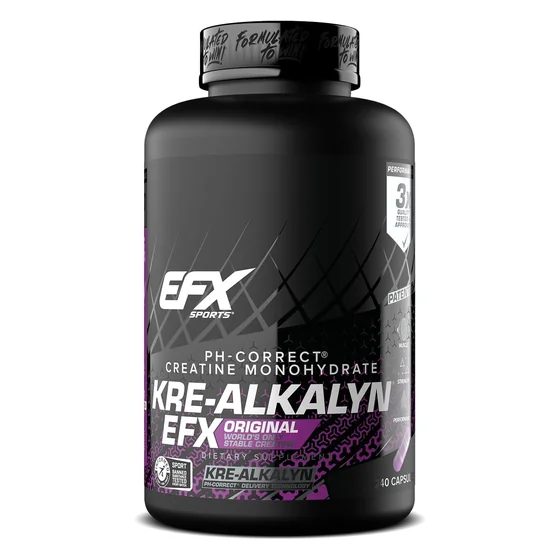 Product optionEFX Kre-Alkalyn Creatine CapsulesCreatine capsules in a convenient format.Affiliate link · Price and availability may change.Check on Amazon As an Amazon Associate I earn from qualifying purchases.
I do not expect a client to create a silent eight-hour night by force, especially with shifts, young children or caring responsibilities. I look for the best sleep opportunity their life realistically allows and improve the few habits most likely to help. An imperfect routine repeated most nights is more useful than an elaborate routine you abandon after four days.
Short answer: most healthy adults need about seven to nine hours of sleep per night. To support muscle gain and fat loss, aim for a consistent sleep opportunity within that range, then judge it by daytime energy, gym performance and how rested you feel. If seven hours is currently impossible, adding even 30 minutes consistently can be a worthwhile first step.
Why sleep matters for muscle and fat loss
Training gives your body a reason to adapt; recovery gives it the chance. Sleep supports many processes involved in tissue repair, nervous-system function, learning movements and regulating appetite. Poor sleep does not instantly erase a workout, but repeated restriction can make it harder to train with quality and stick to a food plan.
Research on sleep restriction and resistance exercise suggests that performance can suffer, particularly when sleep loss accumulates or training takes place later in the day. The exact effect varies with the person, task and type of sleep loss. That is why I pay attention to your own pattern rather than treating one rough night as a disaster.
During fat loss, short sleep can create a second problem. You may feel hungrier, crave more energy-dense foods and have less patience for meal preparation. Controlled research has also found that sleep restriction during a calorie-restricted diet can alter the proportion of weight lost from fat and lean tissue. That does not mean sleep alone burns fat; it means recovery can influence the quality and practicality of a diet.
Is seven hours enough?
It may be. The NHS states that adults need seven to nine hours on average, but individual needs differ. Some people function well near the lower end, while others clearly need more. Time in bed is also not identical to time asleep, so a seven-hour window may deliver less than seven hours of actual sleep.
I would ask three questions:
- Do you regularly struggle to stay awake or concentrate during the day?
- Do you rely on several caffeinated drinks just to feel normal?
- Does your training performance repeatedly fall apart despite sensible programming and food?
If the answer is yes, you may need more sleep, better-quality sleep or medical support for an underlying problem. If you wake naturally, function well and recover normally on seven hours, there is no need to chase nine because an app said more is always better.
How much sleep do you need to build muscle?
There is no special bodybuilding number. Seven to nine hours remains a sensible range for most adults, with more need during periods of heavy training, illness or accumulated sleep loss. Younger adults and athletes with high workloads may find the upper end more helpful.
Muscle growth depends on progressive resistance training, adequate protein and enough energy. Sleep supports those processes by helping you recover and perform. If you are adding exercises and sets while cutting sleep to fit them in, I would question whether the extra training is productive.
Look at performance across several weeks. Are loads or repetitions gradually improving? Is soreness settling between sessions? Do you feel able to train the same muscle again when planned? If not, sleep is one variable to review alongside programme volume, calorie intake, protein and stress.
How much sleep do you need for fat loss?
The same seven-to-nine-hour range applies. Sleep does not create a calorie deficit, so sleeping longer without changing food or activity is not a guaranteed fat-loss strategy. Its value is that a rested person often finds the required behaviours easier.
When clients sleep poorly, I commonly see late-night snacking, larger portions, skipped morning training and more takeaway decisions after work. Those are not moral failures. They are predictable responses to fatigue and a more demanding day.
I would rather adjust the diet so it remains manageable than tell someone to use more willpower. That could mean a planned high-protein afternoon snack, simpler evening meals or a slightly smaller deficit while sleep is disrupted.
One bad night versus a bad pattern
A single poor night is not a reason to cancel every plan. You may still be able to train, work and eat normally. Warm up, assess how you feel and reduce load or volume if coordination and effort are clearly worse.
Several short nights deserve more respect. Reaction time, mood and decision-making can be affected, and heavy lifting may become less safe. If you are severely sleepy, avoid risky exercise, driving or anything requiring sharp concentration.
Do not try to punish a tired body with extra cardio because you ate more the previous evening. Return to your normal meals, get some daylight and easy movement, then protect the next sleep opportunity.
A realistic sleep routine that supports training
1. Fix the wake time before perfecting bedtime
A broadly consistent wake time helps anchor your body clock. It does not have to be identical to the minute, but large weekend swings can make Sunday night difficult. Work backwards from the time you need to rise and create a realistic window for sleep.
If you currently go to bed at midnight, suddenly aiming for 9pm may just produce three hours of frustration. Move the routine earlier in smaller steps and use morning light to reinforce it.
2. Create a short landing routine
You do not need a 12-step wellness ritual. Choose two or three cues that tell your brain the day is ending: dim the lights, prepare tomorrow’s clothes, brush your teeth and read for ten minutes. Repeat them in the same order.
If your mind races, keep paper near the bed and write tomorrow’s tasks before you lie down. The goal is not to solve everything; it is to stop using the pillow as a meeting room.
3. Manage caffeine with the full night in mind
Caffeine can help training, but it can also delay sleep. Sensitivity and clearance differ, so there is no perfect cut-off for everyone. Start by moving your final caffeine earlier and observe whether falling asleep becomes easier.
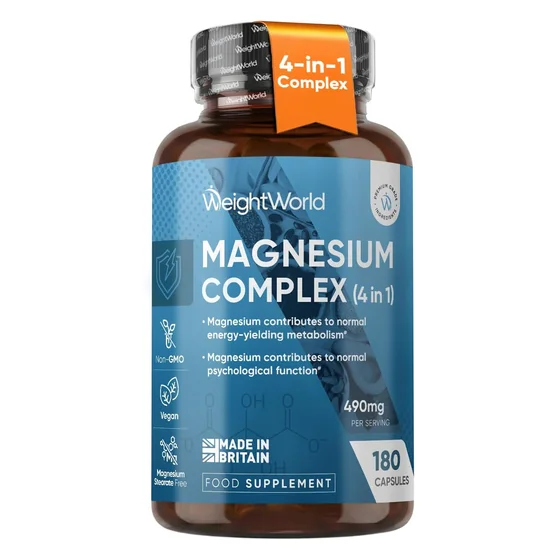 Product optionWeightWorld Magnesium Complex 4-in-1Magnesium capsules for a simple supplement routine.Affiliate link · Price and availability may change.Check on Amazon As an Amazon Associate I earn from qualifying purchases.
Remember pre-workout, energy drinks and strong tea. “I do not drink coffee late” is not useful if a 7pm gym supplement contains a large stimulant dose.
4. Make the room boring
A dark, quiet, comfortably cool room is a good baseline. Blackout curtains, an eye mask or earplugs can help, especially for shift workers. Keep the phone away from your face if scrolling extends bedtime.
I do not insist that every screen vanishes exactly an hour before bed. The bigger issue is often what the screen encourages you to do: work, argue, shop or watch one more episode. Set a stop point that protects the sleep window.
5. Time food for comfort, not mythology
Eating after 8pm does not automatically cause fat gain. However, a very large, spicy or high-fat meal immediately before lying down may disturb sleep for some people. If reflux or discomfort is common, shift more food earlier and leave a little time before bed.
A light protein-containing snack can be perfectly reasonable when dinner was early. Yoghurt, milk, fruit or a small bowl of cereal are simple options. Total daily intake still matters more than an arbitrary clock rule.
What if you work shifts?
Shift work makes standard sleep advice less useful because light and work times change. I would focus on controlling what you can: a dark room, reduced noise, a repeatable post-shift routine and careful caffeine timing. Tell the people you live with when your protected sleep window is.
After a night shift, sunglasses on the journey home may reduce bright-light exposure for some people, while blackout curtains can make daytime sleep easier. Safety comes first: do not reduce light in a way that makes travel unsafe.
Naps can help alertness, but timing matters. A short nap before a night shift may be useful, while a long late nap can make the next sleep period harder. Shift patterns and health differ, so occupational health or a sleep professional can offer more individual guidance.
Training should move with the rota. On the day after a run of nights, an easy walk or rest may be more productive than heavy squats. Place demanding sessions after your better sleep periods where possible.
Should you track sleep?
A watch or ring can reveal bedtime consistency and broad trends. It cannot perfectly identify every sleep stage, and its daily score should not decide how you feel. Some people become anxious when a device labels a night “poor,” even when they felt fine before checking.
I use tracking only when it changes a useful behaviour. If the data shows that streaming pushes bedtime 45 minutes later, that is actionable. If you stare at percentages you cannot control, the device is adding stress rather than insight.
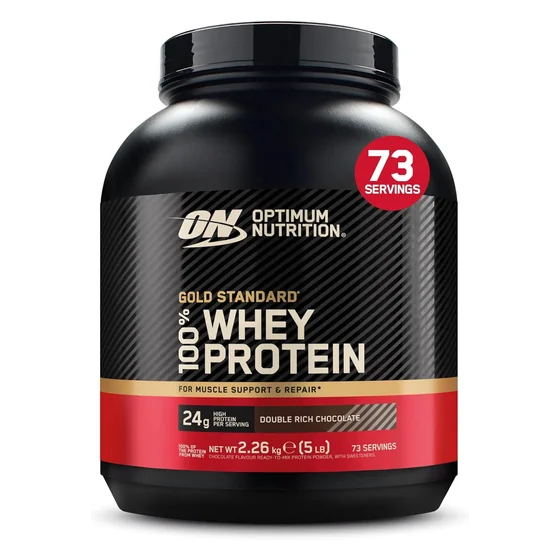 Product optionOptimum Nutrition Gold Standard WheyWhey protein powder for a convenient shake.Affiliate link · Price and availability may change.Check on Amazon As an Amazon Associate I earn from qualifying purchases.
Common mistakes I see
Cutting sleep for more training. A fourth workout is not automatically helpful if it requires repeated five-hour nights.
Trying to fix tiredness only with supplements. Magnesium may be useful when intake is inadequate or a clinician recommends it, but it does not compensate for too little time in bed.
Using alcohol as a sleep tool. Alcohol may make you feel sleepy initially but can disrupt sleep quality and increase night waking.
Sleeping very late after one poor night. A little extra rest may help, but large swings can make the following night harder. Return to your usual schedule when practical.
Expecting perfect sleep. Worrying about every wake-up can itself become a problem. Aim for a better pattern, not a flawless graph.
How to adjust training after poor sleep
Begin with the planned warm-up and assess movement, coordination and effort. If you feel reasonably normal, continue but avoid unnecessary maximal attempts. If the usual warm-up feels unusually heavy, reduce the load by a small amount or perform fewer work sets.
For severe fatigue, swap heavy free-weight work for stable machines, an easier technique session or a walk. The goal is to protect both safety and the long-term habit. One adjusted workout has almost no negative impact on progress; an avoidable injury does.
What I would focus on first
I would measure your current sleep opportunity for seven days, without trying to impress yourself. Then I would choose the smallest change that adds time: a 30-minute earlier screen cut-off, packing work items before dinner or moving one late workout.
Next, I would keep wake time reasonably stable and move caffeine earlier. Only after that would I consider gadgets or supplements. The basic opportunity to sleep is usually the missing piece.
When to speak to a health professional
See your GP if sleep problems have lasted for months, changes have not helped or poor sleep is affecting daily life. Seek advice if you snore loudly with pauses or gasping, wake with headaches, experience restless legs, fall asleep unintentionally, or feel dangerously sleepy while driving.
Persistent fatigue can have causes beyond sleep habits, including medical conditions and medication effects. Do not assume you simply lack discipline.
Frequently asked questions
Can you build muscle on six hours of sleep?
You may still build muscle, especially with good training and nutrition, but six hours is below the average recommendation for adults. If recovery or performance is poor, increasing sleep opportunity is a sensible step.
Does sleeping more help you lose weight?
Sleep alone does not guarantee weight loss. It may support appetite control, activity and adherence to a calorie deficit, making the process easier for many people.
Is eight hours the perfect amount?
No single number is perfect for everyone. Most adults fall around seven to nine hours. Daytime function, health and recovery help show whether your current amount is enough.
Should I skip the gym after a bad night’s sleep?
Not necessarily. Assess how you feel, warm up and reduce intensity or volume if needed. Skip risky training if you are severely sleepy, unwell or unable to concentrate safely.
Do naps count towards sleep?
Naps contribute to total rest and can improve alertness, but they do not always replace a regular main sleep period. Long or late naps may make bedtime harder for some people.
Can magnesium improve sleep?
It may help if you have inadequate intake or a specific clinical reason, but evidence for using it as a universal sleep aid is limited. Check suitability with a professional if you have a health condition or take medication.
Your practical next step
For the next week, record bedtime, wake time, final caffeine and how you feel at midday. Then protect an extra 30 minutes on the two nights where it is easiest. Small improvements that survive your working week are worth keeping.
If you want training and nutrition adjusted around your sleep, shifts and recovery rather than copied from a standard template, that is part of what I help SykerFlex clients do. Better recovery should make the plan more workable, not give you another score to worry about.
Sources and further reading
- NHS: insomnia and how much sleep adults need
- Sleep deprivation and resistance exercise performance: systematic review
- Sleep restriction during calorie restriction and body composition
- Sleep, circadian biology and skeletal muscle health
Training coaching
Turn useful advice into your own programme.
I can structure your sessions around your experience, available equipment, schedule and progress.
About the author
Roland Balogh
I’m an Active IQ Level 3 Personal Trainer, qualified in nutrition for sport and exercise performance. I help people build strength, improve their nutrition and stay consistent—without extreme plans or living in the gym.- Level 3 Personal Trainer
- Sport & Exercise Nutrition
- Mental Health Awareness
Keep reading
Related articles