Electrolyte tubs now sit beside pre-workouts and protein powders, often with claims about energy, focus, hydration and recovery. That can make a basic glass of water feel inadequate. For most people completing a normal gym session, it usually is not.
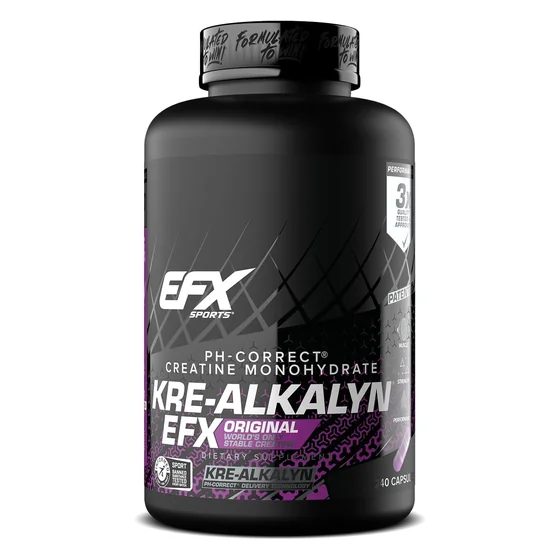 Product optionEFX Kre-Alkalyn Creatine CapsulesCreatine capsules in a convenient format.Affiliate link · Price and availability may change.Check on Amazon As an Amazon Associate I earn from qualifying purchases.
I recommend electrolyte powder when there is a real reason for replacing extra fluid and salt: long exercise, heavy sweating, hot conditions, repeated sessions or specific medical guidance. A 45-minute weights workout in a cool gym does not automatically create that need.
This guide will help you decide whether an electrolyte drink is useful, how to read the label and which warning signs should be handled by a healthcare professional rather than a supplement company.
Do you need electrolyte powder?
Most people do not need electrolyte powder for a short, ordinary workout if they arrive hydrated and eat a varied diet. It may help during long or very sweaty exercise, hot weather, endurance events or repeated training sessions. Choose it by sodium content and purpose, not by the longest ingredient list or strongest flavour.
Electrolytes are minerals that carry an electrical charge in body fluids. Sodium, potassium, chloride, magnesium and calcium all have roles in fluid balance, nerves and muscle function. They are essential, but “essential” does not mean you need them in a flavoured sachet every day.
What do electrolytes actually do?
Sodium and chloride are the main minerals lost in sweat. Sodium helps maintain fluid balance and supports nerve and muscle function. Potassium is also important for nerves and muscles, but sweat normally contains much less potassium than sodium.
Magnesium and calcium matter too, although an exercise drink is not usually the main way to meet your daily requirements. A varied diet supplies these minerals through foods such as dairy or fortified alternatives, vegetables, beans, potatoes, nuts, seeds and wholegrains.
The purpose of a sports electrolyte product is usually to replace some of what you lose and encourage fluid retention. It is not meant to act like a stimulant. If a drink makes you feel energised, check whether it also contains caffeine or carbohydrate.
When plain water is usually enough
Water is normally suitable for short or moderate exercise, particularly indoors or in mild weather. If you eat regular meals, you also consume sodium and other minerals throughout the day.
Examples where I would usually begin with water include:
- A 45–75 minute resistance-training session
- A short walk, cycle or easy run
- Training in an air-conditioned gym
- A rest day with normal food and fluid intake
- A session where you finish without heavy sweat loss
You do not have to finish a giant bottle during every workout. Arrive reasonably hydrated, drink according to thirst and conditions, and continue drinking afterwards.
When electrolyte powder may be useful
Long endurance sessions
Running, cycling or field sport lasting well beyond an hour can create meaningful sweat losses, especially at a strong pace. Fluid, sodium and sometimes carbohydrate become more useful as duration rises.
Hot or humid weather
You generally sweat more when your body is trying to cool itself in heat. A session that needs only water in spring may require a different plan during a hot summer event.
You are a heavy or salty sweater
Some people lose more sweat and sodium than others. Obvious salt marks on dark clothing, stinging eyes and a white residue on skin can suggest salty sweat, although they do not provide an exact measurement.
Two hard sessions on the same day
If recovery time is short, replacing fluid and sodium promptly may help you prepare for the next session. This is more relevant to athletes, outdoor workers and event days than to most recreational gym routines.
Illness-related fluid loss
Vomiting and diarrhoea can cause loss of fluid, sugar and minerals. The NHS recommends oral rehydration solutions in some cases. A sports electrolyte drink is not automatically the same as a medical oral rehydration product, so ask a pharmacist what is appropriate.
Electrolyte powder is not the same as an energy drink
The categories overlap on supermarket shelves, which creates confusion. A basic electrolyte tablet may contain minerals, flavour and almost no calories. A sports drink may contain carbohydrate to fuel longer exercise. An energy drink may contain caffeine and sugar but very little useful sodium.
Read the label rather than relying on the colour of the bottle. If you train in the evening, caffeine hidden in a hydration product may affect sleep. If fat loss is your goal, a high-sugar drink during every short session can add calories without solving a real problem.
Carbohydrate is not bad. It can be useful fuel for longer or demanding exercise. It simply needs a reason to be there.
How to choose an electrolyte powder
Start with sodium
Sodium is usually the most relevant electrolyte to replace during sweaty exercise. Products vary widely, from a token amount to much higher doses intended for endurance use.
I would not name one perfect amount without knowing your duration, sweat rate, diet and medical situation. A light gym product and a high-sodium endurance product are designed for different jobs.
Check the serving and mixing instructions
One serving might mean one tablet, two scoops or a sachet mixed into a specific water volume. Making it twice as concentrated can cause stomach discomfort and does not automatically improve hydration.
Look for carbohydrate and caffeine
Decide whether you want them. Carbohydrate can support prolonged exercise; caffeine can support performance but may not suit late training, anxiety, heart conditions or certain medication.
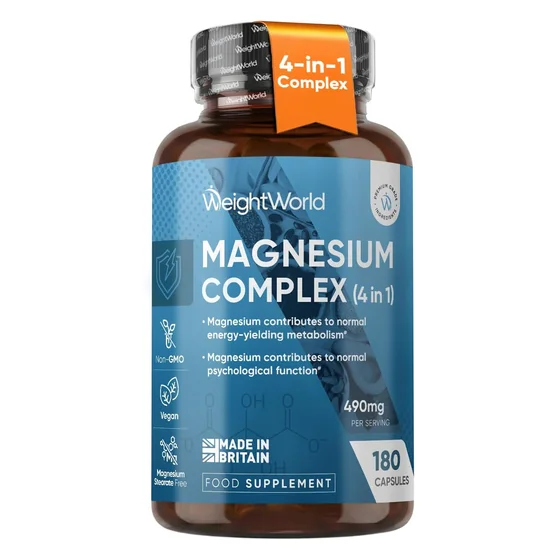 Product optionWeightWorld Magnesium Complex 4-in-1Magnesium capsules for a simple supplement routine.Affiliate link · Price and availability may change.Check on Amazon As an Amazon Associate I earn from qualifying purchases.
Avoid unnecessary megadoses
More magnesium, potassium and vitamins do not make a better hydration product. Large supplemental amounts can cause digestive problems and may be unsuitable with kidney or heart conditions.
Consider cost per serving
Premium packaging and “advanced hydration” language can make a simple salt-and-flavour product expensive. Compare the actual mineral amounts and number of servings.
Can you make a homemade electrolyte drink?
For basic sports use, water with a small amount of salt and a carbohydrate source can provide fluid, sodium and fuel. The exact recipe matters, though. Adding a large spoonful of salt can produce an unsafe and unpleasant drink.
I would use a reputable published recipe rather than guessing. For vomiting, diarrhoea, bowel conditions or medical dehydration, use the oral rehydration product or recipe recommended by a pharmacist or clinician. Clinical solutions are designed with specific concentrations and are not interchangeable with a casual sports drink.
How much should you drink during exercise?
Fluid needs vary considerably. Body size, weather, clothing, intensity and individual sweat rate all affect them. For ordinary training, thirst and practical access to water are reasonable guides for many healthy adults.
For long events, you can estimate sweat loss by weighing before and after a representative session, accounting for drinks and urine. A large drop suggests you need a more deliberate plan. An increase in body weight during exercise suggests you may be drinking more than you lose.
Do not force extreme volumes. Drinking excessive plain water in a short period can dilute blood sodium and become dangerous. Headache, confusion, vomiting, swollen hands or worsening illness during an endurance event need prompt medical attention.
Do electrolytes prevent muscle cramps?
Cramps are complicated. Fatigue, pacing, conditioning, heat, previous cramping and fluid or sodium losses may all contribute. An electrolyte drink is not a guaranteed prevention method.
If you repeatedly cramp late in long, hot sessions and finish with obvious salt loss, your hydration plan is worth reviewing. But if you cramp during a new exercise at the end of an exhausting set, local fatigue may be the more likely explanation.
Persistent cramping at rest, weakness or symptoms alongside medication should be discussed with a healthcare professional.
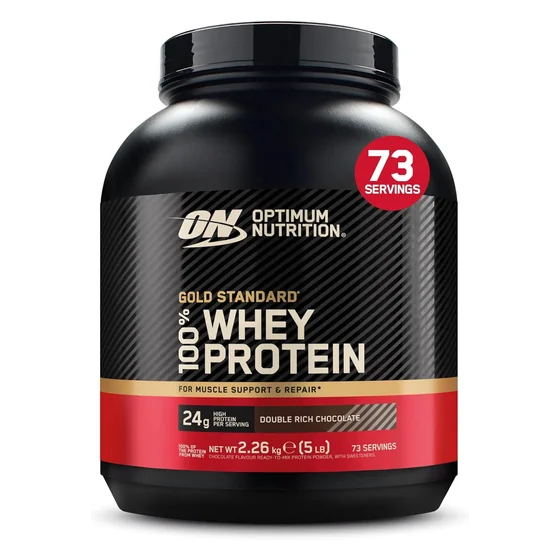 Product optionOptimum Nutrition Gold Standard WheyWhey protein powder for a convenient shake.Affiliate link · Price and availability may change.Check on Amazon As an Amazon Associate I earn from qualifying purchases.
Do you need electrolytes after lifting weights?
After an ordinary weights session, water and a normal meal usually cover recovery. Food supplies sodium, potassium and other minerals, while protein and carbohydrate support muscle recovery and energy replacement.
An electrolyte drink may be convenient if the gym is extremely hot, you sweat heavily, you trained for a long time or you need to work outdoors afterwards. Convenience is a valid reason, but it is not the same as necessity.
Who should be careful with electrolyte products?
Speak to a doctor or pharmacist before using high-electrolyte products regularly if you have kidney disease, heart failure, high blood pressure, fluid restrictions or a condition affecting mineral balance. Some medicines also alter sodium or potassium.
This matters particularly with high-potassium products. Healthy kidneys regulate potassium, but impaired kidney function can make excess intake dangerous. Do not use a supplement to treat suspected deficiency without medical advice.
Children, pregnant people and anyone with ongoing vomiting or diarrhoea may need product-specific guidance. Severe dehydration, confusion, fainting, rapid breathing or very little urine requires urgent medical advice.
Common mistakes I see
Using electrolytes as a substitute for drinking
A concentrated scoop in a tiny amount of water does not replace sufficient fluid. Mix the product as directed.
Taking them for energy
Electrolytes do not act like calories or caffeine. If low energy is the issue, look at food, sleep, training load and health.
Ignoring added caffeine
Some “hydration” products are partly pre-workouts. Check every active ingredient and total daily caffeine.
Choosing the product with the most minerals
A long panel can look impressive while supplying very little relevant sodium or unnecessary high doses of other ingredients.
Using sports drinks for medical rehydration
Sports drinks may have a different sugar and sodium balance from oral rehydration solutions. Ask a pharmacist when illness is the reason.
What I would focus on first
- Look at the duration, heat and sweat level of your training.
- Arrive hydrated rather than trying to catch up during the session.
- Use water for normal short workouts.
- Consider electrolytes for long, hot or repeated sessions.
- Compare sodium, carbohydrate and caffeine on the label.
- Check medical conditions and medicines before regular high-dose use.
If you are unsure, test the simplest plan first. Use water, eat normally and monitor thirst, urine colour, performance and recovery. Add a product when the situation gives you a reason.
Frequently asked questions
Should I drink electrolytes every day?
Most healthy people do not need a daily electrolyte drink. Food and normal fluids usually supply what you need. Daily use may be relevant for specific training, climate or medical reasons.
Are electrolyte powders good for the gym?
They can be useful in a hot gym or during a long, sweaty session. For a normal weights workout, water and regular meals are often enough.
Do electrolytes give you energy?
Minerals do not provide calories. A product may feel energising if it also contains carbohydrate or caffeine, or if dehydration was affecting you.
Is coconut water an electrolyte drink?
Coconut water contains potassium and carbohydrate but is often relatively low in sodium, the main mineral lost in sweat. It may not suit high-sodium replacement needs.
Can you take too many electrolytes?
Yes. Excess sodium, potassium or magnesium can cause problems, particularly with kidney, heart or blood-pressure conditions. Follow the label and medical advice.
Are electrolytes better before or after training?
Timing depends on the problem. Before may help if you start in heat or know you are a heavy sweater; during and after can replace ongoing losses. For short sessions, timing usually matters little.
Use them when the session earns them
If you are asking whether you need electrolyte powder, begin with the workout rather than the product. Duration, temperature, sweat loss and turnaround time tell you far more than a colourful label.
Your next step is to check your usual session length and the sodium, caffeine and carbohydrate in any product you already own. You may discover that water is enough—or that a properly chosen drink solves a genuine problem.
If you want sensible supplement guidance built into a complete training and nutrition plan, without buying products you do not need, that is part of how I support my SykerFlex coaching clients.
Sources
- NHS: water, drinks and hydration
- NHS: dehydration
- American College of Sports Medicine position stand: exercise and fluid replacement
Personalised coaching
Build the plan before chasing supplements.
I can help you organise your training, everyday nutrition and recovery so every product has a clear purpose.
About the author
Roland Balogh
I’m an Active IQ Level 3 Personal Trainer, qualified in nutrition for sport and exercise performance. I help people build strength, improve their nutrition and stay consistent—without extreme plans or living in the gym.- Level 3 Personal Trainer
- Sport & Exercise Nutrition
- Mental Health Awareness
Keep reading
Related articles