If you spend most of your working day sitting, it can feel as though weight loss requires a second job. You get to your desk, meetings eat into lunch, the biscuits are nearby, and by the time you get home you may have little energy left for a workout. I usually tell people to start with the hours they actually have, rather than plan for a perfect week.
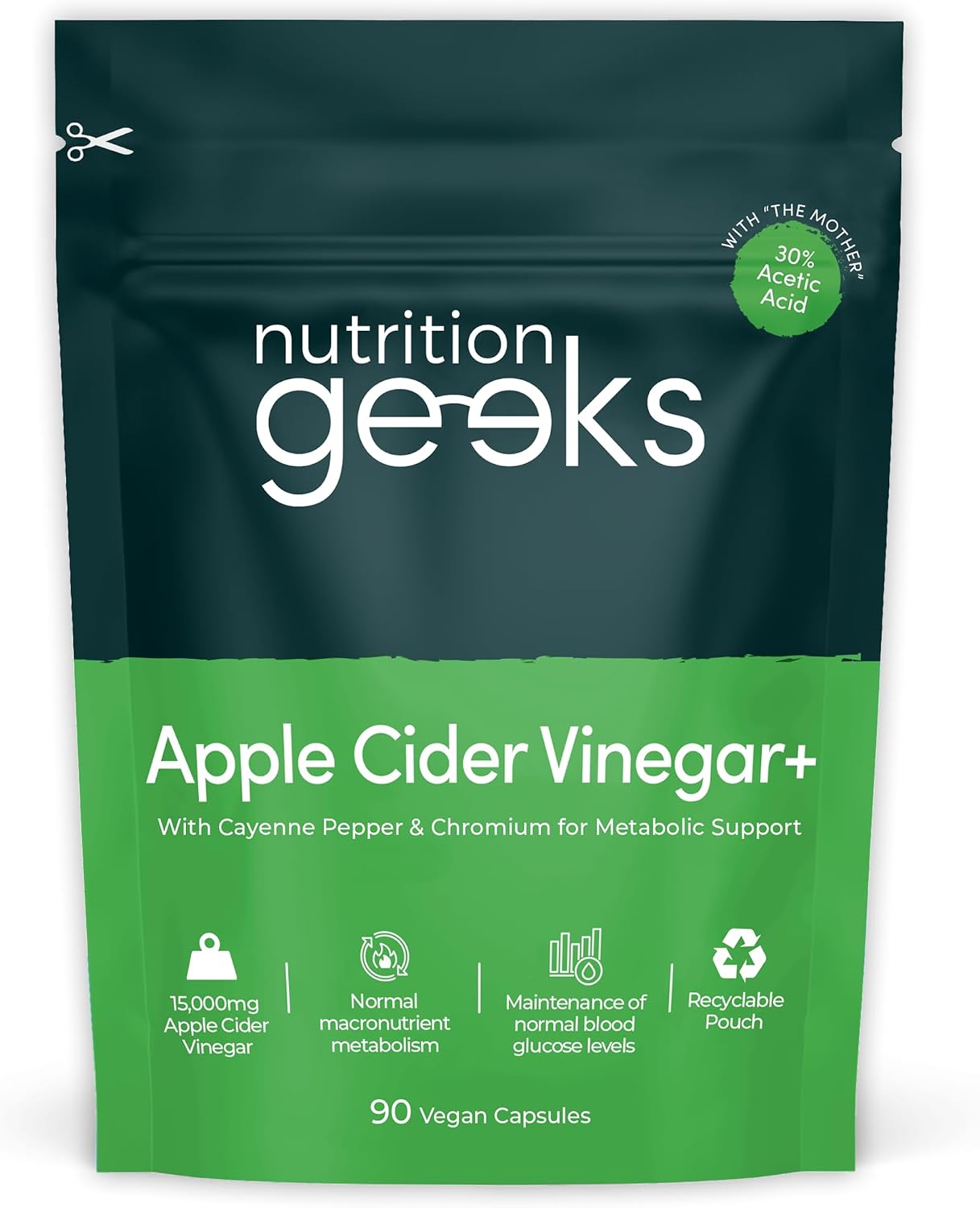 Roland’s practical pickApple Vinegar Capsules Mother AceticSee product details and current availability on Amazon.Affiliate link · Price and availability may change.Check on Amazon As an Amazon Associate I earn from qualifying purchases.
You can make progress with a desk job. The useful changes are often a more filling lunch, a sensible plan for the afternoon, and small chances to move that do not depend on getting to a gym every day. In this guide, I’ll show you how I would build those habits into a normal office or work-from-home routine, what tends to trip people up, and what to focus on first.
Can you lose weight with a desk job?
Yes. To lose weight with a desk job, focus on eating habits you can repeat and movement you can fit around work. Build filling meals with vegetables, a protein food and a sensible portion of carbohydrate; plan for snacks if you need them; and break up long spells of sitting. You do not need to exercise off every meal.
Weight change still depends on your overall energy intake and expenditure over time. Sitting at work does not prevent progress, but it may mean your usual day includes less activity than you think. I would use that information to make a manageable plan, not as a reason to eat as little as possible.
Why desk-job days can make weight management harder
The problem is rarely the chair on its own. It is how easily a day at the desk can run on autopilot. You might skip breakfast, rush into meetings, grab the first lunch available, then reach for something sweet at 3 pm because you are hungry and tired. An evening commute can leave you wanting the quickest possible dinner.
Working from home has its own version. The kitchen is close, lunch has no clear start time, and a snack can become something you eat while reading emails without really noticing it. If that sounds familiar, I would look for one or two predictable points in the day to change. You do not need to control every minute.
Build a work lunch that carries you through the afternoon
Lunch is the first place I would look if you regularly arrive home very hungry. A small salad with little else may sound like the “healthy” choice, but it can leave you searching the office kitchen an hour later. I recommend making lunch substantial enough to be an actual meal.
Use a simple lunch formula
Choose a protein food such as chicken, tuna, eggs, tofu, chickpeas or beans. Add vegetables or fruit, include a satisfying starchy food such as bread, rice, potatoes or pasta, and use a modest amount of dressing, cheese, nuts or another fat for flavour. The NHS Eatwell Guide describes the balance of food groups across your overall diet; you do not have to make every lunch look identical.
For a packed lunch, that could be a tuna and bean pasta salad with cucumber and tomatoes. It could also be last night’s chilli with rice and extra vegetables, or a hummus, egg and salad wrap with fruit. If you do not have time to meal prep, make enough dinner for one extra portion. That is often more realistic than spending Sunday making five separate lunches.
Buying lunch can work too. I would look for a sandwich or wrap with a decent filling, add fruit or a side salad, and check whether I actually need crisps and a sweet drink every time. A supermarket meal deal does not make or break your progress; repeating the same choices most days is what deserves attention.
Decide before a busy morning decides for you
Give yourself two reliable lunch options: one you can bring and one you can buy near work. For example, your brought option might be leftovers. Your bought option might be a chicken salad sandwich, fruit and water from the shop downstairs. Then a meeting running over does not leave you starting from scratch at 2 pm.
If you work from home, step away from the desk to eat when you can. Put lunch on a plate and give it a few minutes of attention. It helps you notice whether the meal was enough and gives the working day a useful break.
Plan for the office snack instead of fighting it
There is nothing wrong with having an afternoon snack. The question I ask is whether you are hungry, taking a break, or simply eating because food is in sight. Any of those can happen; recognising the pattern makes the next choice easier.
If lunch is early and dinner is late, I would keep a snack available: yoghurt and fruit, a boiled egg, cheese and crackers, or an apple with a small handful of nuts. Choose something you enjoy and can keep at work or grab on the way in. A protein bar can be convenient, but it is not required.
If the biscuit tin is the problem, you do not need to ban biscuits. Decide whether you want one, have it, and move on. What can add up is eating several without noticing while you answer messages. I have seen people focus intensely on a “perfect” lunch while barely counting the extras that happen around it.
Drinks deserve a quick look as well. Sugary coffees, soft drinks and the extras added to hot drinks can become part of an unplanned daily routine. You can keep the coffee you enjoy; try a smaller size, fewer syrups or water alongside it if the usual order is bigger than you need.
Move more during work without needing a perfect schedule
I would not tell someone with back-to-back calls to get up every half hour if they have no control over their calendar. Start with breaks that already exist: walk while a call does not require your screen, take a short route outside after lunch, or use the stairs when it makes sense. If your commute includes public transport, getting off a stop earlier may be an option on some days.
For many people, a ten-minute walk after lunch is easier to repeat than an ambitious midday workout. It creates a clear break and contributes to your overall activity. On a very busy day, even a few minutes away from the desk is worth doing. You can build from there.
UK guidance advises adults to reduce prolonged sitting, aim for 150 minutes of moderate activity across a week, and do strengthening activities on at least two days. Those are helpful long-term guideposts, not a demand that you reach every target in your first week. A brisk walk that makes you breathe a bit harder can count towards your aerobic activity.
Where does the gym fit?
If you like training, keep it. Two manageable strength sessions a week may fit better than promising yourself five gym visits after work and cancelling four. If evenings are unreliable, look at a morning, lunch break or weekend slot. If the gym is not practical at the moment, walking and short home strength sessions are valid starting points.
Exercise supports health and helps you keep active, but I would avoid using it as permission to ignore how you eat. Equally, missing a session does not mean the day is lost. Keep the next meal and the next activity choice ordinary.
A realistic desk-job day: one example
Here is how I might put the pieces together for someone working roughly 9 to 5. This is a template, not a meal plan or a fixed calorie target.
- Before work: have breakfast if you are hungry, such as yoghurt, fruit and oats, or eggs on toast. If breakfast does not suit you, make sure you have a proper plan for lunch.
- At lunch: eat leftovers or a sandwich with a protein filling, vegetables and fruit. Take a short walk if your schedule allows.
- Mid-afternoon: use a planned snack if you need one, rather than waiting until you are starving on the commute.
- After work: have a simple dinner you can make on a tired evening, such as an omelette and potatoes with vegetables, or a bean and chicken stir-fry with rice.
Notice that none of those steps requires special “diet food.” If dinner needs to feed the family as well, you can make one meal and adjust your portion according to your appetite and goals. I would keep a couple of low-effort staples in the house for the nights when work runs late.
Common mistakes I would look for
Skipping lunch to save calories can backfire if you are then ravenous at home and eat whatever is quickest before dinner. I would fix the meal pattern before chasing a very small daily intake. A filling lunch is often the more practical choice.
Trying to compensate for sitting by doing one very hard workout can also make the plan fragile. You can train hard if you enjoy it, but everyday movement and food habits still matter on the other days. The goal is a week you can repeat.
Another mistake is treating a tracker number as a verdict. Step counts and calorie estimates can be useful prompts, but they are estimates. If you use them, look at broad patterns rather than trying to “earn” food with steps or adjusting every meal to a watch reading.
Finally, be careful about making weekdays so strict that weekends become a release valve. Meals out, family food and social plans can fit. If you find yourself overeating after several restrictive days, I would make the weekday approach less punishing before adding more rules.
What I would focus on first
I would choose one food change and one movement change for the next two weeks. For food, make lunch more filling or plan the afternoon snack that usually catches you out. For movement, put a short walk into a part of the day you can actually protect. Keep those choices simple enough to repeat during your busiest week.
Then check how things are going. Look at your energy, hunger, consistency and weight trend if tracking weight is appropriate for you. If nothing is changing over time and weight loss remains your goal, review portions, extras and overall intake without making dramatic cuts. Your needs will depend on your body, activity, medication and health history.
If you have a medical condition, are pregnant, take medication that affects appetite or weight, or have a history of disordered eating, speak with a GP or registered dietitian before pursuing weight loss. Personalised advice matters more than a generic office-day template in those situations.
Frequently asked questions
Can I lose weight if I sit at a desk for eight hours?
Yes. Your eating pattern and activity across the whole week matter more than one stretch of sitting. Plan meals you can stick with, break up sitting where practical, and work towards regular activity.
What is a good lunch for weight loss at work?
I would start with a filling mix of protein food, vegetables and a starchy carbohydrate: for example, a chicken and rice bowl, a bean and tuna salad with bread, or tofu and vegetable leftovers. Portion size depends on your needs.
Do I have to count calories to lose weight with a desk job?
No. Some people find tracking useful for spotting patterns, while others do better with regular meals, sensible portions and attention to snacks and drinks. If tracking becomes stressful or rigid, get personalised support.
Will a short lunchtime walk make a difference?
A short walk adds activity and gives you a break from sitting. I would use it as a repeatable habit, not expect one walk to cancel out a meal. Start with a time you can manage and build it up if you want to.
What if I am too tired to exercise after work?
Move a session to a time that is more reliable, make it shorter, or start with walking. If fatigue is persistent or unusual for you, speak with a healthcare professional rather than forcing workouts through it.
The practical takeaway
To lose weight with a desk job, I would make your usual workday easier to manage before adding complicated rules. Sort out a lunch that satisfies you, decide what happens when afternoon hunger arrives, and find a few dependable chances to move. Pick one lunch plan and one walking slot for next week, then adjust based on what actually happens.
If you want a plan built around your working hours, training experience and food preferences, that is the kind of practical coaching I offer through SykerFlex.
Sources
- NHS, The Eatwell Guide: https://www.nhs.uk/live-well/eat-well/food-guidelines-and-food-labels/the-eatwell-guide/
- NHS, Physical activity guidelines for adults aged 19 to 64: https://www.nhs.uk/live-well/exercise/physical-activity-guidelines-for-adults-aged-19-to-64/
- NHS, Healthy eating when trying to lose weight: https://www.nhs.uk/better-health/lose-weight/healthy-eating-when-trying-to-lose-weight/
Nutrition coaching
Make nutrition work around your schedule.
I will help you build a realistic eating plan around your routine, preferences and goals—without extreme restrictions.
About the author
Roland Balogh
I’m a certified Personal Trainer and Nutritionist helping people build strength, improve their nutrition and stay consistent—without extreme plans or living in the gym.- Certified Personal Trainer
- Qualified Nutritionist
- Online Fitness Coach
Keep reading