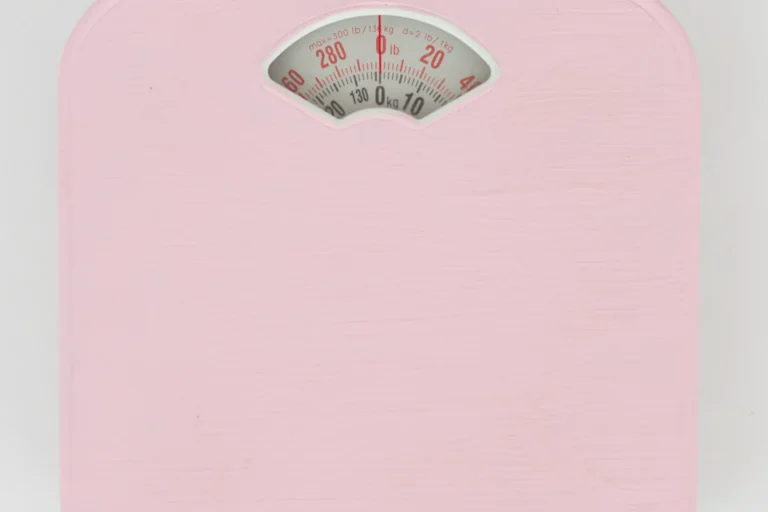
Losing weight is not always the same as improving body composition. A fast drop on the scale can include water, stored carbohydrate, fat and lean tissue. If you want to look stronger and keep your gym performance, the goal is not simply to become lighter as quickly as possible.
 Product optionEFX Kre-Alkalyn Creatine CapsulesCreatine capsules in a convenient format.Affiliate link · Price and availability may change.Check on Amazon As an Amazon Associate I earn from qualifying purchases.
I protect muscle during fat loss with four priorities: a moderate calorie deficit, regular resistance training, enough protein and adequate recovery. Supplements, meal timing and advanced methods come later. The basics are less exciting, but they decide most of the result.
Short answer: maintain muscle while losing weight by using a moderate calorie deficit, lifting at least two or three times per week, eating enough protein and avoiding unnecessarily rapid loss. Keep key exercises in your programme, monitor strength and allow recovery. Some performance fluctuation is normal, but a steady collapse suggests the plan needs adjusting.
Why muscle can be lost during a diet
An energy deficit means the body has less incoming energy than it uses. Stored body fat helps cover the gap, but lean tissue can also be affected. The risk rises when the deficit is aggressive, protein is low, resistance training is absent or the diet continues for a long time without recovery.
The body also carries less glycogen and water when carbohydrate and calories fall. Muscles may look flatter and scale estimates of lean mass may drop even when actual muscle tissue has changed less. Do not assume every early change in a smart scale is muscle loss.
Your training provides a strong reason to retain muscle. Protein supplies the amino acids needed for repair, while a sensible rate of loss reduces the pressure to use lean tissue. These factors work together.
Use a moderate calorie deficit
A larger deficit can produce faster scale loss, but faster is not automatically better. Hunger, fatigue, training quality and adherence often worsen as calories fall. Research suggests prolonged deficits above roughly 500 calories per day can make lean-mass gains harder during resistance training, although individual needs and starting body fat matter.
I normally begin with a modest estimate and adjust from real data. Track average weight for several weeks, not two mornings. If the trend is moving and training remains productive, there is no need to cut harder simply to see a dramatic number.
People with more body fat can often tolerate a faster rate than someone already lean. As you become leaner, muscle preservation and recovery usually require more patience.
How fast should you lose weight?
A useful general range is around 0.5 to 1 per cent of body weight per week, with the lower end often more suitable for leaner or experienced trainees. This is a guide, not a rule. Early weeks can move faster because of water changes.
For an 80 kg person, half a per cent is about 0.4 kg per week. You do not need to hit that exact figure. Look at a three- to four-week trend and how the diet affects training, sleep and hunger.
If weight is falling rapidly and strength, mood and energy are worsening, add some food or reduce activity. Protecting muscle sometimes means accepting a slower timeline.
Keep resistance training in the plan
Resistance training tells the body that muscle remains useful. I would keep at least two full-body sessions per week, and three or four can work when experience, time and recovery allow. Train each major muscle group with enough challenging work to maintain performance.
Do not replace all lifting with high-repetition circuits because you are “cutting.” The programme should still include movements you can progress or at least maintain: presses, rows, squats or leg presses, hinges, pulldowns and useful isolation work.
You can use machines, free weights or a mixture. What matters is applying meaningful tension to the muscles and tracking the work.
Should you keep lifting heavy?
Keep some moderately heavy work if technique and joints allow. You do not need to test maximal lifts, but using challenging loads helps maintain strength and gives clear feedback. Sets of five to twelve on compound movements and moderate-to-higher repetitions on isolation exercises can fit well.
The phrase “lift heavy” should not mean forcing the same personal best while body weight and recovery decrease. Aim to maintain performance within a reasonable range. A small drop on one exercise is not proof of muscle loss.
Relative strength may even improve as you become lighter, especially on pull-ups and bodyweight movements. Use several markers rather than one lift.
Adjust volume before removing intensity
Dieting can reduce how much training you recover from. If fatigue builds, I usually reduce a few sets before making every weight light. This preserves exposure to useful loads while lowering total stress.
For example, four working sets may become three, or an optional finishing exercise may disappear. Keep the main movements and high-quality sets. More training is not protective if you cannot recover from it.
A deload can also help when performance has been declining for several sessions and joints feel worn. One easier week does not cause muscle loss.
Eat enough protein
Higher protein intake can help preserve lean mass during weight loss. The exact target depends on body size, body composition, training and health. For many active adults, roughly 1.6 to 2.2 grams per kilogram of body weight per day is a practical range, with individual adjustment.
If someone has a high body weight because of excess body fat, calculating from total weight can produce an unnecessarily large number. Goal weight, estimated lean mass or professional guidance may give a more practical target.
Spread protein across three to five meals rather than putting almost all of it at dinner. Each meal should contain a recognisable protein source: eggs, dairy, fish, meat, tofu, tempeh, beans, lentils or an appropriate supplement.
Protein food ideas that fit a deficit
Choose foods that provide a useful protein serving for calories you can afford, while still eating a varied diet. Chicken breast, lean mince, tuna, white fish, eggs plus egg whites, cottage cheese, high-protein yoghurt, tofu and protein powder are convenient examples.
Higher-fat protein foods such as salmon, whole eggs and some cheeses are still nutritious. Account for their energy rather than removing them automatically. A diet made only from the leanest foods can become joyless and hard to sustain.
Plant-based diets can preserve muscle too. Use a mix of soya foods, seitan where suitable, pulses, higher-protein grains and a well-formulated plant protein if needed. Portions may need more planning.
Do carbohydrates protect muscle?
Protein has the more direct role, but carbohydrate supports training performance and glycogen. Better sessions help you maintain the stimulus for muscle. I would not remove carbohydrates simply because fat loss has started.
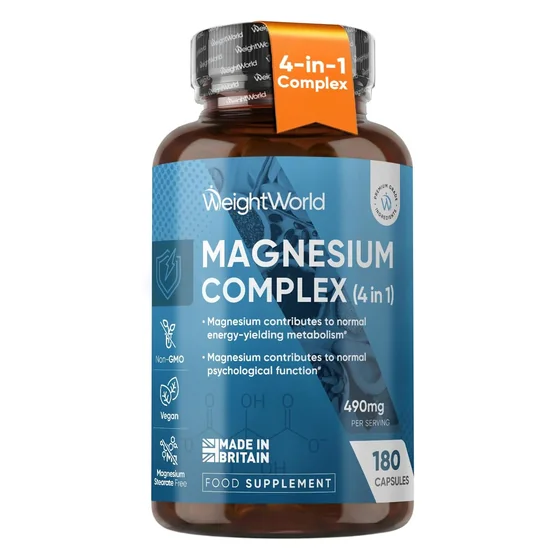 Product optionWeightWorld Magnesium Complex 4-in-1Magnesium capsules for a simple supplement routine.Affiliate link · Price and availability may change.Check on Amazon As an Amazon Associate I earn from qualifying purchases.
Place a useful portion before or after training: rice, potatoes, oats, bread, pasta, fruit or cereal. The total still needs to fit your calorie target. On rest days, intake can remain similar or change according to appetite; there is no requirement to cycle it.
If training feels flat after a calorie reduction, moving some carbohydrate closer to the session may help without changing the daily total.
How much cardio should you add?
Cardio can increase energy expenditure and support health, but it should not become punishment for eating. Start with everyday movement and a manageable amount of structured work. Walking is easy to recover from and fits most schedules.
Two or three moderate sessions may complement lifting. Hard intervals are optional and require more recovery. If cardio volume rises while calories fall and lifting performance collapses, the plan has too many stressors.
I prefer adding a repeatable walk before cutting another large amount of food. But if time is limited and the diet is already manageable, extra cardio is not compulsory.
Recovery matters more during a deficit
Sleep, rest days and stress management will not replace calories, but they affect training quality and appetite. Aim for a consistent sleep opportunity and avoid adding unnecessary volume when work or family stress is already high.
Caffeine can make a tired session feel possible, but it can also hide poor recovery and disturb sleep. Use it deliberately rather than increasing the dose as the diet continues.
Plan easier weeks if needed. A diet should not require you to feel progressively worse until the final day.
How to tell whether you are maintaining muscle
No home method measures muscle perfectly. Combine several indicators:
- Key lifts remain broadly stable over several weeks
- Muscle measurements change slowly relative to waist loss
- Progress photos show a leaner shape rather than only a smaller one
- Training technique and repetition quality remain similar
- The rate of weight loss stays within the planned range
Smart scales can be strongly affected by hydration. A lower “muscle mass” reading after a low-carbohydrate day is not a diagnosis. More accurate scans also contain error and need consistent conditions.
Signs the diet may be too aggressive
Repeated strength loss across several exercises, constant exhaustion, poor sleep, severe hunger, irritability and loss of motivation are useful warnings. In women, menstrual changes can also signal low energy availability and deserve professional attention.
Cold intolerance, dizziness, fainting, frequent illness or a preoccupation with food should not be dismissed as part of getting lean. Increase support and speak to a healthcare professional when appropriate.
A diet break at maintenance calories can provide psychological and training relief, although it is not a metabolic reset. The weekly scale may rise from water and glycogen when carbohydrate intake increases.
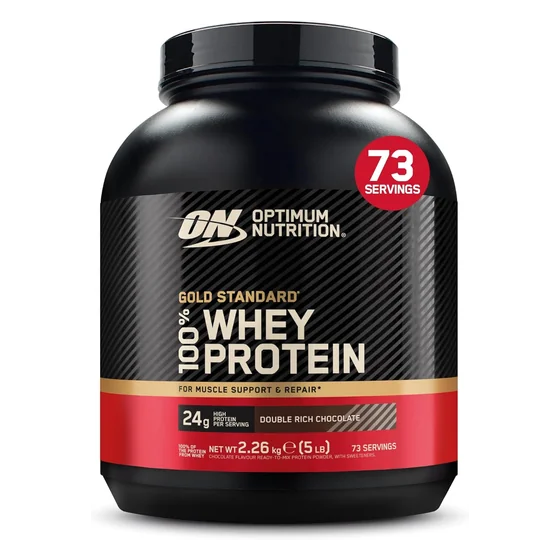 Product optionOptimum Nutrition Gold Standard WheyWhey protein powder for a convenient shake.Affiliate link · Price and availability may change.Check on Amazon As an Amazon Associate I earn from qualifying purchases.
Can beginners gain muscle while losing fat?
Yes, body recomposition is possible, particularly for beginners, people returning after a break and those with more body fat. A moderate deficit, progressive training and enough protein create favourable conditions.
Experienced, lean trainees have less room to build new muscle during a deficit. Their realistic goal may be maintaining nearly all muscle while reducing fat. That is still an excellent result.
Do not use the possibility of recomposition to expect large scale loss and rapid muscle gain at the same time. Progress may appear slowly in measurements and photos.
Common mistakes I see
Dropping calories too far on day one. Start with the minimum deficit that moves the trend.
Turning weights into cardio. Short rests and light circuits may feel hard while reducing the tension needed to maintain strength.
Adding daily HIIT. More fatigue is not the same as more fat loss.
Eating protein but not enough total food. Protein helps, but an extreme energy deficit still raises the challenge.
Panicking over flat muscles. Lower glycogen and water can change appearance quickly. Judge several weeks.
Trying to set personal records every session. Maintenance is a valid training outcome during a demanding deficit.
What I would focus on first
I would set a moderate calorie target, choose a realistic protein range and keep two to four strength sessions built around stable exercises. Then I would add a step target or easy cardio only at a level you can recover from.
Track average weight, waist and a few key lifts for four weeks. If weight is falling but performance remains mostly stable, keep the plan. If everything is deteriorating, make the deficit smaller or reduce training stress.
When professional advice is appropriate
Get individual advice if you are pregnant, breastfeeding, under 18, managing kidney disease, diabetes or another medical condition, or taking medication that affects weight or appetite. Protein and calorie targets may need clinical adjustment.
If you have a history of disordered eating or tracking creates anxiety and compulsive behaviour, a weight-loss phase may not be appropriate without specialist support. Health comes before a body-composition target.
Frequently asked questions
Will I lose muscle in a calorie deficit?
Some risk exists, but a moderate deficit, resistance training and enough protein can substantially improve muscle retention. Starting body fat and training experience also matter.
Can I maintain muscle training twice per week?
Yes. Two well-designed full-body sessions can provide a strong maintenance stimulus when sets are challenging and the main muscle groups are covered.
Should I lower the weights while cutting?
Not automatically. Keep useful loads where possible, but reduce them when technique or recovery requires it. You may lower volume before making every set light.
How much protein do I need to prevent muscle loss?
Many active adults use roughly 1.6 to 2.2 grams per kilogram daily, but the right calculation depends on body composition, health and total intake. More is not always necessary.
Does cardio make you lose muscle?
Reasonable cardio does not automatically cause muscle loss. Risk rises when large endurance volumes combine with inadequate calories, protein and recovery.
How do I know if weight loss is fat or muscle?
No single home measure can tell perfectly. Combine the rate of loss, waist change, strength, measurements and consistent photos rather than trusting one smart-scale reading.
Your next four weeks
Choose three lifts to monitor, set a moderate calorie deficit and spread protein across your normal meals. Weigh consistently, measure your waist weekly and review the four-week trend. The goal is not the fastest drop; it is a leaner result you can maintain.
If you want the calorie target, protein intake and training volume set around your body, schedule and experience, that is exactly what I help SykerFlex clients with. A good fat-loss plan should reveal your work in the gym, not throw it away.
Sources and further reading
- Higher protein intake and muscle retention during weight loss: systematic review and meta-analysis
- Preserving healthy muscle during weight loss
- Energy deficiency and resistance-training gains in lean mass
- Exercise training and body composition: systematic review and network meta-analysis
Nutrition coaching
Make nutrition work around your schedule.
I will help you build a realistic eating plan around your routine, preferences and goals—without extreme restrictions.
About the author
Roland Balogh
I’m an Active IQ Level 3 Personal Trainer, qualified in nutrition for sport and exercise performance. I help people build strength, improve their nutrition and stay consistent—without extreme plans or living in the gym.- Level 3 Personal Trainer
- Sport & Exercise Nutrition
- Mental Health Awareness
Keep reading
Related articles