Evening training creates a common problem: lunch was hours ago, you are hungry when work ends, and eating a full dinner before the gym feels too heavy. Then the session finishes late and you are unsure whether another meal will help recovery or ruin sleep.
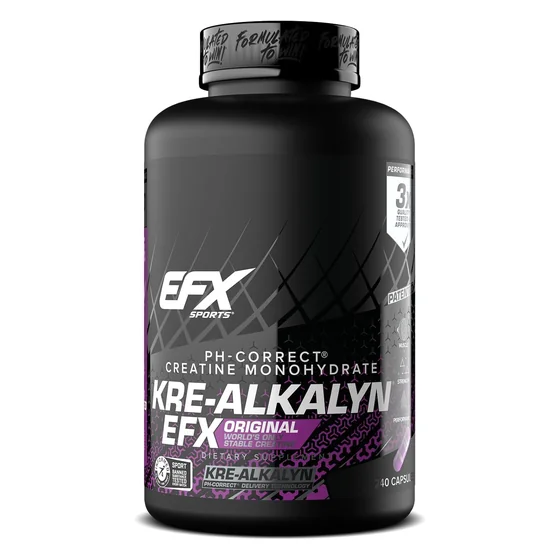 Product optionEFX Kre-Alkalyn Creatine CapsulesCreatine capsules in a convenient format.Affiliate link · Price and availability may change.Check on Amazon As an Amazon Associate I earn from qualifying purchases.
I usually solve this with three ordinary decisions rather than a strict nutrient-timing schedule: eat a proper lunch, have a planned snack before training and keep an easy dinner ready for afterwards. You do not need a supplement for every stage, and you do not have to stop eating because the clock has passed 8pm.
Short answer: before an evening workout, eat a meal containing carbohydrate and protein two to four hours beforehand, or a lighter snack 60 to 90 minutes before. After training, have a normal meal with protein, carbohydrate and some fruit or vegetables. Keep late meals comfortable in size if large dinners disturb your sleep.
Your whole day matters more than a 30-minute window
The body does not forget breakfast and lunch when you enter the gym. Daily energy, carbohydrate, protein and fluid intake all influence training and recovery. The post-workout “anabolic window” is much wider than the frantic few minutes suggested by supplement adverts, particularly when you ate protein before training.
Protein before or after exercise can support muscle protein synthesis, and spreading useful servings across the day is a sensible approach. Carbohydrate helps supply training and replenish glycogen. The exact timing becomes more important when sessions are long, very demanding or close together—not for every normal 60-minute weights workout.
If you train at 6.30pm after a normal lunch, the biggest improvement may simply be a banana and yoghurt at 5pm. If you train at 9pm after dinner, you may need only a small snack afterwards. Context decides the meal.
Build a better lunch first
Many people blame the evening snack when the real problem is an inadequate lunch. A small sandwich at noon is unlikely to support a full working day and a hard gym session seven hours later. You arrive ravenous, grab whatever is nearby and then feel too full to train.
I would build lunch around:
- A clear protein source such as chicken, tuna, eggs, lean meat, tofu, beans or Greek-style yoghurt
- A useful carbohydrate such as rice, potatoes, pasta, bread, wraps or couscous
- Fruit or vegetables
- A moderate amount of fat from foods such as olive oil, cheese, avocado or nuts
A chicken and rice box, tuna pasta, a filled wrap with fruit, or leftover chilli and potatoes all work. The meal does not have to look like a fitness recipe. It needs to be large enough to carry you through work without leaving you uncomfortable.
What to eat two to four hours before training
If you can eat a main meal in this window, include carbohydrate and protein, with fat and fibre at amounts you tolerate. This gives time for digestion while providing energy for the session.
Practical examples include:
- Chicken, rice and cooked vegetables
- Jacket potato with tuna and a small salad
- Turkey or tofu wrap with fruit
- Porridge with milk, yoghurt and banana
- Pasta with lean mince or lentil sauce
The portion depends on your size, appetite and goal. Someone dieting may use a smaller plate; someone training for two hours may need more carbohydrate. I would test the meal on an ordinary session and adjust based on energy and stomach comfort.
What to eat 60 to 90 minutes before training
Closer to training, keep the snack smaller and easier to digest. Carbohydrate is useful, with a little protein if it sits well. Very large amounts of fat or fibre may slow digestion and leave some people feeling heavy.
Good work-bag options include a banana and yoghurt, cereal with milk, toast with a little jam, a small chicken sandwich, an oat bar with a protein yoghurt, or a fruit smoothie. A protein shake plus fruit is convenient, but it is not superior to food when both are tolerated.
If you have only 20 to 30 minutes, choose something compact: a banana, a few rice cakes, a small cereal bar or a drink containing carbohydrate. You do not need to force food if lunch was substantial and energy feels good.
How much food should you eat before the gym?
Use your performance and digestion as feedback. If you feel weak, distracted by hunger or unable to match normal training, the meal may be too small or too far away. If you feel nauseous, sluggish or full during warm-ups, it may be too large, too rich or too close.
I recommend keeping the food similar for two or three sessions while changing one detail. Move it earlier, reduce fat or add a little carbohydrate. If every meal changes, you cannot tell what worked.
Do not assume more food always produces a better workout. You are fuelling training, not trying to complete the day’s calories in the changing room.
Do you need to eat during an evening workout?
For an ordinary resistance session lasting around an hour, water is usually enough if you ate beforehand. Food during training becomes more relevant for long endurance work, repeated sessions, events or exercise extending well beyond an hour at meaningful intensity.
If you train for two hours after a physically demanding day, a carbohydrate drink or easy snack may help. Before buying a specialist product, consider whether a shorter, more focused session and a proper pre-workout meal would solve the problem.
Drink according to thirst and conditions. Hot gyms and heavy sweating increase needs. You do not have to finish several litres during one session, and excessive fluid can also be unsafe.
What to eat after an evening workout
Your post-workout meal can look like any balanced dinner. Include a useful protein serving, carbohydrate according to your needs, vegetables or fruit and enough fluid. You do not need a separate shake if dinner follows soon.
Examples I would actually recommend after work include:
- Microwave rice, pre-cooked chicken and frozen vegetables
- Eggs on toast with fruit
- Lean mince or lentil chilli with rice
- Salmon or tofu with potatoes and vegetables
- Greek-style yoghurt, oats, berries and a sandwich when you do not want a hot meal
The best option at 9.30pm is often the one already prepared. Without a plan, hunger and tiredness make takeaway food more likely—not because takeaway is forbidden, but because the portion and cost may not match what you intended.
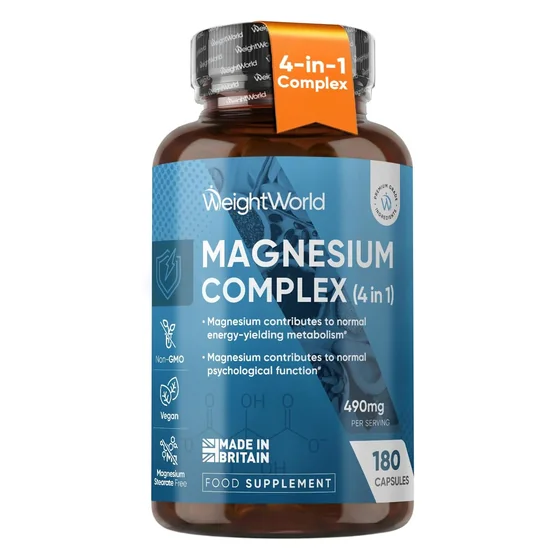 Product optionWeightWorld Magnesium Complex 4-in-1Magnesium capsules for a simple supplement routine.Affiliate link · Price and availability may change.Check on Amazon As an Amazon Associate I earn from qualifying purchases.
Will eating late make you gain fat?
Eating after a certain clock time does not automatically create body fat. Overall energy intake across time remains the main issue for weight change. A post-workout dinner can fit a fat-loss plan perfectly well.
Late eating can indirectly cause problems if it becomes an extra meal on top of everything else, or if a large dinner disrupts sleep. The solution is to plan the evening meal within your day, not skip recovery food because it is 9pm.
If you prefer most calories earlier, use a larger lunch and pre-training meal, then have a lighter dinner. If you enjoy dinner after the gym, reserve more of your intake for it. Both approaches can work.
Late dinner without poor sleep
A very large, spicy or fatty meal immediately before bed may worsen reflux or discomfort for some people. Keep the meal moderate, eat slowly and choose familiar foods. Cooked vegetables may feel easier than an enormous raw salad late at night.
Strong pre-workout products and coffee are often a bigger sleep problem than the dinner itself. Caffeine can remain active for hours. If evening sessions leave you awake, remove or reduce the stimulant before blaming carbohydrates.
Finishing with a gentle cool-down and allowing some time between training and bed can help you settle. You do not need to force yourself asleep the moment you enter the house.
What if you are trying to lose fat?
Keep the same structure but control portions. A protein-rich lunch, planned snack and balanced dinner may prevent the unplanned grazing that happens when you arrive home extremely hungry. Choose lower-calorie volume from vegetables, fruit and potatoes where useful.
Do not “save” almost all your food for after the gym if that makes the working day miserable and the session weak. A moderate deficit spread in a way you can follow usually works better than white-knuckling hunger until 9pm.
Liquid calories can be easy to miss. A large café drink before training, sports drink during it and shake afterwards may add more than expected. Use them because they solve a problem, not because workout marketing makes them feel compulsory.
What if you are trying to build muscle?
You need enough total energy and protein, so make lunch and dinner substantial. Add carbohydrate around training and use calorie-dense foods where appetite is low. A smoothie with milk, oats, fruit and yoghurt can be useful when a late solid meal feels difficult.
Muscle gain does not require an uncontrolled “bulk.” Add portions gradually and monitor weight, gym performance and waist measurements. Evening training gives you an obvious place for extra food, but the weekly total still matters.
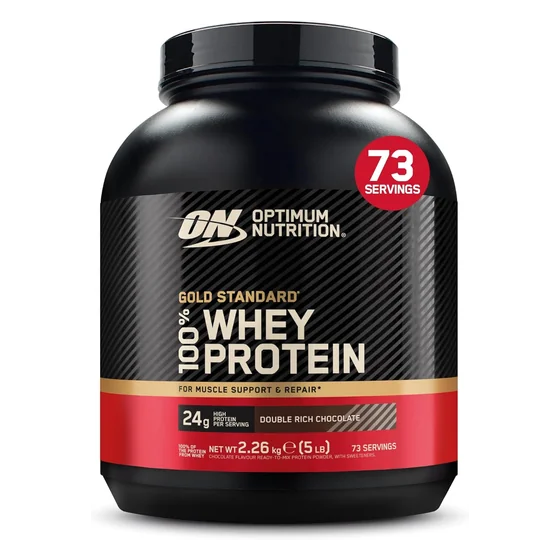 Product optionOptimum Nutrition Gold Standard WheyWhey protein powder for a convenient shake.Affiliate link · Price and availability may change.Check on Amazon As an Amazon Associate I earn from qualifying purchases.
A realistic evening-training schedule
For a 6.30pm gym session after an 8am-to-4pm job, this is the kind of structure I would use:
- 7.00am: breakfast with protein and carbohydrate
- 12.30pm: proper lunch
- 4.45pm: banana, yoghurt and water
- 6.30pm: training
- 8.00pm: prepared dinner
For a 9pm session, dinner might move to 6.30pm and the post-workout food becomes a smaller protein-and-carbohydrate snack. Your timetable is allowed to decide the arrangement.
Common mistakes I see
Skipping lunch to feel lighter. This often creates poor energy and overeating later.
Eating a huge meal immediately before training. Give larger meals time to digest or divide the food into a meal and snack.
Relying on pre-workout instead of food. Stimulants can mask tiredness but do not replace carbohydrate, fluid or sleep.
Believing a shake is compulsory. It is convenient, not magical. Dinner can supply the protein.
Avoiding all carbohydrate at night. Carbohydrate after training can fit both fat loss and muscle gain.
Trying a new high-fibre meal on leg day. Test unfamiliar foods when digestive consequences are less inconvenient.
What I would focus on first
I would make lunch large enough, choose one pre-workout snack you can keep at work and prepare two quick dinners in advance. That removes the three decisions most likely to fail when you are tired.
Then I would observe energy, hunger, digestion and sleep for a week. Adjust the timing or size before buying more supplements. Your own response matters more than an ideal schedule copied from an athlete who trains at midday.
When individual advice matters
If you have diabetes, reactive hypoglycaemia, kidney disease, a digestive condition, food allergies or medication that affects blood glucose or appetite, get advice from your GP or a registered dietitian. Exercise nutrition may need to match your treatment plan.
Persistent reflux, vomiting, severe abdominal pain, faintness or repeated dizziness during training should not be managed by experimenting with snacks alone. Seek appropriate medical advice.
Frequently asked questions
Should I eat dinner before or after an evening workout?
Either can work. Eat beforehand if there is enough time to digest; otherwise have a substantial snack before and dinner after. Choose the arrangement that supports training and sleep.
What is the best pre-workout snack after work?
A banana and yoghurt, toast and jam, cereal with milk or a small sandwich are practical. Aim for easy-to-digest carbohydrate with some protein if tolerated.
Do I need protein immediately after training?
No. A useful protein serving within the next few hours is normally fine, especially if you ate protein before the session. Daily intake and consistency matter greatly.
Can I go to bed after a post-workout meal?
Yes, but a very large or rich meal may cause discomfort for some people. Use a smaller familiar meal and allow a little time if reflux or poor sleep is an issue.
Is fruit enough before the gym?
It can be enough for a shorter session when you ate a good meal earlier. Add yoghurt, milk or another protein source when the gap since lunch is longer.
Should I drink a protein shake before bed?
Only if it helps you meet your daily protein needs conveniently. It is not necessary when your meals already provide enough.
Your plan for the next training day
Pack one pre-workout snack before leaving home and decide dinner before the working day begins. Eat the snack 60 to 90 minutes before training, then use a normal protein-and-carbohydrate meal afterwards. Make notes on energy and sleep and adjust from there.
If you want a nutrition plan that fits your working hours, training time and food preferences, that is exactly what I help SykerFlex coaching clients with. The plan should remove evening stress, not replace it with complicated rules.
Sources and further reading
- International Society of Sports Nutrition position stand: nutrient timing
- International Society of Sports Nutrition position stand: protein and exercise
- University College London Hospitals: exercise and activity snacks
- NHS guidance on water, drinks and hydration
Nutrition coaching
Make nutrition work around your schedule.
I will help you build a realistic eating plan around your routine, preferences and goals—without extreme restrictions.
About the author
Roland Balogh
I’m an Active IQ Level 3 Personal Trainer, qualified in nutrition for sport and exercise performance. I help people build strength, improve their nutrition and stay consistent—without extreme plans or living in the gym.- Level 3 Personal Trainer
- Sport & Exercise Nutrition
- Mental Health Awareness
Keep reading
Related articles