You can eat well, train as planned and wake up a kilogram heavier the next morning. That number can feel frustrating, especially when you have been consistent. The first thing I usually explain is that your scale measures total body weight, not body fat on its own.
 Product optionEFX Kre-Alkalyn Creatine CapsulesCreatine capsules in a convenient format.Affiliate link · Price and availability may change.Check on Amazon As an Amazon Associate I earn from qualifying purchases.
Food in your digestive system, water, carbohydrate storage, salt, hormones and even the time you weigh yourself can all change the reading. Most overnight movement is not sudden fat gain or loss. Your body weight is naturally noisy; genuine progress becomes clearer when you look at the trend across several weeks.
In this guide, I will show you why daily weight fluctuations happen, how to weigh yourself consistently and when a change deserves more attention.
Why does your weight change day to day?
Your weight changes day to day because the scale includes water, stored carbohydrate, food, drink and waste as well as body tissue. Saltier meals, more carbohydrates, hard training, constipation and hormonal changes can temporarily move the number. Compare weigh-ins taken under similar conditions and judge the weekly trend rather than one isolated result.
A useful way to think about it is that fat changes slowly while several other parts of scale weight can change quickly. If dinner was larger than usual, you may literally have more food and fluid inside you the next morning. That does not mean the whole increase has been stored as fat.
The scale measures more than body fat
Your body contains a large amount of water. That water moves between tissues and is affected by what you eat, drink and do. Your muscles and liver also store carbohydrate as glycogen, and glycogen is stored with water. Eat more carbohydrate after a lower-carbohydrate week and your weight may rise while your actual fat mass barely changes.
The scale also includes your bones, organs, muscle, clothing and whatever is currently passing through your digestive system. This is why I do not treat a single reading as a complete progress report.
Even good changes can raise scale weight. Starting resistance training may increase muscle glycogen and cause temporary inflammation while your body adapts. Over time, gaining muscle can also add body weight while your waist and appearance improve.
Seven common causes of daily weight fluctuations
1. A salty meal
Sodium helps regulate fluid balance. A takeaway, restaurant meal, ready meal or salty snack can leave you holding more water than usual. The effect may be more noticeable if your normal diet is fairly low in salt.
I would not respond by drinking an extreme amount of water or skipping meals. Return to your usual routine, hydrate normally and give the number time to settle.
2. More carbohydrates than usual
Carbohydrates are stored as glycogen. When glycogen stores rise, the water stored alongside them rises too. A pasta dinner or higher-carbohydrate weekend can therefore increase scale weight without representing the same amount of fat gain.
This is also why people often see a quick drop during the first week of a low-carbohydrate diet. Some of that early change is water and glycogen, not a sudden loss of several kilograms of body fat.
3. Food still being digested
A later dinner, larger portion or higher-fibre day can simply mean more material is still inside your digestive system. The food has weight before your body has finished processing it.
If you normally weigh at 7 am but weigh at midday after breakfast and several drinks, the two readings are not directly comparable.
4. Constipation
Changes in bowel habits can move scale weight and make your abdomen feel fuller. Travel, low fibre, low fluid intake, medication and changes in routine can all contribute.
Do not use laxatives simply to change the scale. Persistent constipation, pain, blood in your stool or a major change in bowel habits should be discussed with a healthcare professional.
5. Hard training
A demanding session creates stress in the trained tissue and your body retains fluid as part of the recovery process. If you return to squats after a break, your legs may be sore and your weight may stay higher for a few days.
This is not a reason to stop strength training. It is a reason to avoid judging your programme from the morning after one difficult workout.
6. Hormonal changes
Many women notice predictable changes around the menstrual cycle. Fluid retention, appetite and digestion can all vary. Comparing the same phase of one cycle with the next can sometimes be more useful than comparing two neighbouring days.
Other hormonal or medical issues can affect fluid balance too. If swelling or unexplained rapid change is persistent, speak to your GP rather than assuming it is normal water weight.
7. Alcohol and disrupted sleep
Alcohol can alter hydration, appetite, food choices and sleep. A night out may lead to a lower reading from temporary dehydration, a higher reading from salty food and extra fluid, or both effects on different mornings.
Poor sleep may also make the next day harder by increasing tiredness and changing hunger cues. The scale is only one part of that picture.
How much can weight normally fluctuate?
There is no single “normal” number for everyone. Body size, food intake, training, menstrual cycle and digestion all matter. A swing of several hundred grams is ordinary, and larger short-term changes can happen after a high-salt meal, long journey or unusually large intake.
 Product optionWeightWorld Magnesium Complex 4-in-1Magnesium capsules for a simple supplement routine.Affiliate link · Price and availability may change.Check on Amazon As an Amazon Associate I earn from qualifying purchases.
I avoid giving clients a strict acceptable limit because it can create another number to worry about. I look at whether the change has an obvious explanation and whether it settles when normal habits return.
If your weight rises rapidly alongside ankle swelling, breathlessness, chest symptoms, reduced urination or feeling unwell, seek medical advice. That is different from an otherwise well person seeing a temporary post-takeaway increase.
Could you really gain fat overnight?
You can store some fat when you eat more energy than you use, but a large overnight scale increase is rarely all body fat. Storing a kilogram of fat requires a substantial energy surplus. In real life, most dramatic next-day increases contain water, food and glycogen.
That does not mean weekend calories never matter. Repeated overeating can slow fat loss over time. The point is simply that the next morning’s reading does not tell you the exact amount of fat gained.
I recommend separating the behaviour from the number. If you ate more than planned, learn what triggered it and return to your normal meals. Punishing yourself with fasting or excessive cardio often creates another cycle of hunger and overeating.
How to weigh yourself accurately
The NHS recommends weighing under consistent conditions, preferably at the same time of day. What I would do is keep the process simple:
- Use the same reliable scale on a hard, level floor.
- Weigh in the morning after using the toilet.
- Do it before food and drink.
- Wear similar clothing or no clothing.
- Record the number without changing that day’s plan.
- Compare averages or consistent weekly readings.
Some people prefer one weekly weigh-in. Others handle daily weighing well and use a seven-day average. Neither approach is automatically superior. The better method is the one that gives useful information without damaging your relationship with food or your body.
Use a weekly average instead of chasing one number
If you weigh daily, add the seven readings and divide by seven. Compare that average with the following week. Averages soften the effect of one salty meal or unusual bowel day.
For example, your readings might move between 79.4 and 80.3 kg while the weekly average falls from 80.0 to 79.7 kg. The individual highs look dramatic, but the overall direction is still down.
Look over at least three or four weeks when possible. Fat loss is rarely a perfectly straight line, especially when menstrual changes or irregular shifts affect meals, sleep and hydration.
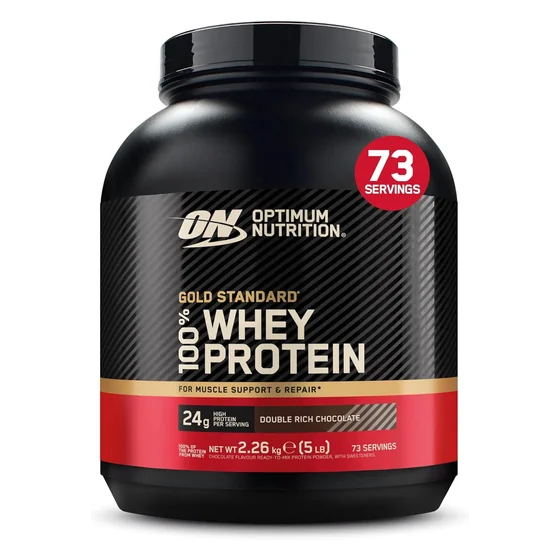 Product optionOptimum Nutrition Gold Standard WheyWhey protein powder for a convenient shake.Affiliate link · Price and availability may change.Check on Amazon As an Amazon Associate I earn from qualifying purchases.
Other ways to measure fat-loss progress
The scale is useful, but it should not carry the whole job. I also look at waist measurements, how clothes fit, progress photographs, gym performance and how consistently the plan is being followed.
Take waist measurements in the same place, under similar conditions, without pulling the tape tightly. Progress photographs work best with the same lighting, position and clothing. Random mirror checks under different lighting are much less reliable.
Strength can be especially useful when dieting. Maintaining similar loads and repetitions may suggest that your training and recovery are supporting muscle retention, although performance naturally varies too.
Common mistakes I see
Changing calories after one high weigh-in
One reading is not enough evidence that your calorie target has stopped working. Give the plan enough time and review the trend.
Weighing at random times
An evening weight after several meals will usually be higher than a morning weight. That comparison creates worry without useful information.
Trying to sweat the number down
Extra layers, sauna sessions and dehydration only manipulate water. They do not create meaningful fat loss and can be unsafe.
Calling every increase muscle gain
Muscle is built slowly. A quick increase after a hard week is more likely to involve fluid and glycogen. Use several measures rather than choosing the explanation you prefer.
Letting the scale decide your mood
The number is feedback, not a rating of your discipline or worth. If weighing causes anxiety, compulsive restriction or bingeing, step away from it and speak to an appropriate professional.
What I would focus on first
For the next three weeks, choose one consistent weighing method and do not alter it halfway through. Record the results, your waist once per week and whether you followed your core habits.
I would prioritise regular meals, enough protein, fruit and vegetables, normal hydration, resistance training and a manageable calorie deficit. I would not try to control every gram of water your body holds.
If the three- or four-week trend is not moving and adherence has genuinely been consistent, then review portions, drinks, weekend meals and activity. Make one small change and measure again.
Frequently asked questions
Why did I gain 1 kg overnight?
The increase is likely to include water, food, drink and glycogen. Salt, carbohydrates, hard training and constipation are common causes. Return to your routine and watch what happens over several days.
What time should I weigh myself?
Morning, after using the toilet and before eating or drinking, gives a consistent comparison for many people. Use the same scale and similar clothing.
Should I weigh myself every day?
Daily weighing can help you understand fluctuations if you use a weekly average calmly. If it makes you anxious or changes how you eat, weigh less often or use other progress measures.
Why do I weigh more after exercise?
Hard exercise can temporarily increase fluid retention during recovery. You may also drink more and refill glycogen. The effect usually settles.
Can eating late make me heavier the next morning?
Yes, because more food and fluid may still be in your digestive system. Meal timing does not create fat independently of total intake, but it can change the next reading.
When should unexplained weight gain be checked?
Contact a healthcare professional if rapid gain is persistent or occurs with swelling, breathlessness, reduced urination, medication changes or feeling unwell.
Look for the direction, not a perfect line
When you understand why your weight changes day to day, the scale becomes much less powerful emotionally. A high morning does not erase a good week, and a low morning does not prove that every choice was perfect.
Use consistent weigh-ins, average the results and combine them with your waist, photographs and training. Your practical next step is to choose your tracking schedule today and keep it unchanged for three weeks.
If you want a fat-loss plan that accounts for your schedule, food preferences and training rather than reacting to every weigh-in, that is exactly what I help my SykerFlex coaching clients with.
Sources
- NHS England: how to record your weight
- Weight rhythms: weight increases during weekends and decreases during weekdays
- East Sussex Healthcare NHS Trust: guide to healthy weight loss
Nutrition coaching
Make nutrition work around your schedule.
I will help you build a realistic eating plan around your routine, preferences and goals—without extreme restrictions.
About the author
Roland Balogh
I’m an Active IQ Level 3 Personal Trainer, qualified in nutrition for sport and exercise performance. I help people build strength, improve their nutrition and stay consistent—without extreme plans or living in the gym.- Level 3 Personal Trainer
- Sport & Exercise Nutrition
- Mental Health Awareness
Keep reading
Related articles