Ever feel like your body’s holding you back? Functional fitness routines might be the answer. These workouts are all about helping you move better in everyday life—whether that’s bending to tie your shoes or carrying groceries. It’s not about looking good at the gym; it’s about feeling good in your own skin.
Key Takeaways
- Functional fitness focuses on real-life movements, not just gym exercises.
- It’s great for building strength that translates to daily tasks.
- Improved mobility and flexibility are core benefits.
- A strong core supports better movement and reduces injury risks.
- Balancing cardio and strength training enhances overall health.
Understanding Functional Fitness Routines
What Makes Functional Fitness Unique
Functional fitness is all about movements that mirror what we do in real life. Think about bending down to pick up your groceries or twisting to grab something off a shelf. These aren’t just random exercises; they’re designed to make your body stronger and more efficient for everyday tasks. What’s great is that functional training doesn’t just build strength—it improves balance, coordination, and flexibility too.
Here are some key features that make functional fitness stand out:
- It focuses on multi-joint movements rather than isolating one muscle at a time.
- Exercises often involve stabilisation, engaging your core and smaller muscle groups.
- It’s highly adaptable—whether you’re a beginner or advanced, you can scale the intensity.
The Science Behind Functional Movements
The idea here is simple: train your body the way it’s meant to move. Functional exercises activate multiple muscle groups at once, which improves neuromuscular efficiency. In other words, your brain and muscles learn to work better together. This kind of training also improves something called proprioception—that’s your body’s awareness of where it is in space. Cool, right?
Studies show that functional fitness can enhance your quality of life by reducing the risk of injuries and improving posture. For example, squats don’t just build leg strength—they mimic the action of sitting and standing, which is something we all do daily.
How Functional Fitness Differs from Traditional Workouts
Traditional workouts often focus on isolated muscle groups—think bicep curls or leg extensions. While there’s nothing wrong with that, it doesn’t always translate to real-world strength. Functional fitness, on the other hand, is practical. It’s about preparing your body for life outside the gym.
Here’s a quick comparison:
| Traditional Workouts | Functional Fitness |
|---|---|
| Targets one muscle at a time | Engages multiple muscle groups |
| Fixed machines or equipment | Free weights, bodyweight, bands |
| Linear movements | Dynamic, multi-directional |
Functional fitness isn’t just a trend—it’s a way to train smarter, not harder. If you’re looking to move better and feel stronger in your daily life, this is where it’s at.
Functional training focuses on movements that mimic everyday activities, including bending, lifting, lunging, pushing, pulling, and rotating. This style of training enhances strength, flexibility, and overall fitness, making it beneficial for daily life.
Building Strength for Everyday Life
Why Strength Matters Beyond the Gym
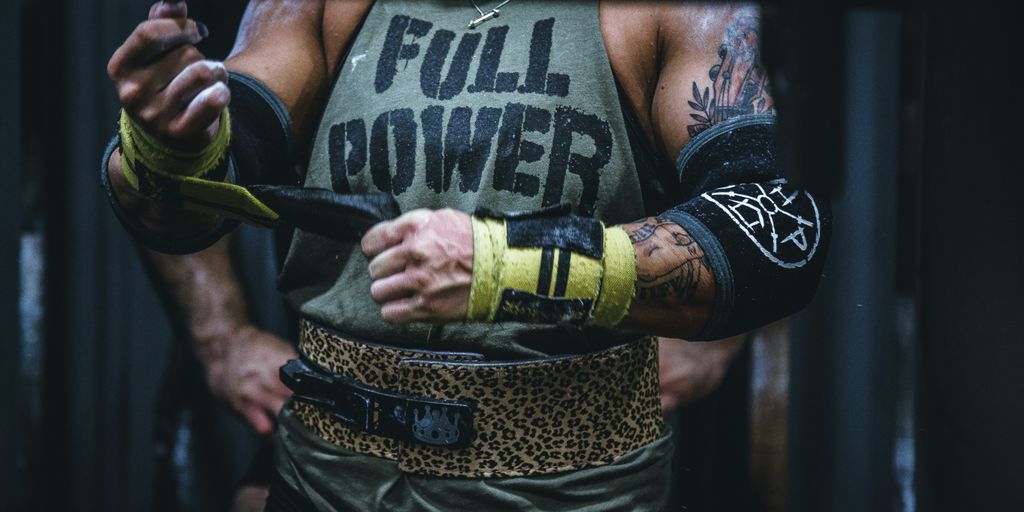
Strength isn’t just for bodybuilders or athletes; it’s for all of us. Think about it—everyday tasks like carrying groceries, lifting your kids, or even getting up from a low chair all require strength. Building strength can make these tasks feel easier and less tiring. Plus, it helps prevent injuries by giving your body the support it needs to move better. A strong body is like a solid foundation—it keeps everything else in check.
Key Exercises for Functional Strength
When it comes to functional strength, it’s all about movements that mimic real-life activities. Here are a few exercises I swear by:
- Deadlifts: They’re fantastic for building a strong back and legs. Plus, they teach you how to lift heavy stuff safely.
- Squats: Whether it’s bodyweight or loaded, squats are amazing for your legs and core.
- Push-ups: A classic move for upper body and core strength. If regular push-ups are tough, start on your knees.
- Farmers Carries: Grab some weights and walk. It’s simple but incredibly effective for grip strength and overall stability.
Pro tip: Keep track of your sets, reps, and weights to see how you’re improving over time. Effective strength-building strategies include tracking your progress—it’s a game-changer.
Avoiding Common Strength Training Mistakes
Let’s face it, we’ve all made mistakes when starting out. Here are a few to avoid:
- Skipping a warm-up: It might feel like a waste of time, but warming up preps your muscles and joints, reducing the risk of injury.
- Poor form: Lifting with bad form can do more harm than good. If you’re unsure, ask someone experienced to check your technique.
- Overloading too soon: It’s tempting to go heavy quickly, but your muscles and joints need time to adapt. Start light and build up gradually.
Strength training isn’t about competing with anyone else. It’s about improving your own abilities, one step at a time.
Building strength for everyday life isn’t complicated, but it does take consistency. Start small, focus on the basics, and you’ll be amazed at how much better you’ll feel—and move—over time!
Improving Mobility and Flexibility

The Role of Mobility in Functional Fitness
Mobility is like the secret sauce of fitness—it’s what helps you move freely and without discomfort. Think about it: if you can’t bend, squat, or twist easily, even simple tasks like tying your shoes or lifting a grocery bag can feel like a workout. Mobility focuses on your joints and their range of motion (ROM), making sure everything moves as it should. Better mobility means fewer injuries and smoother movement in both workouts and everyday life.
If you’re wondering how mobility fits into functional fitness, it’s pretty straightforward. Functional movements like squats, lunges, and even push-ups rely on good mobility to execute properly. Without it, you’re setting yourself up for bad form and potential injuries. So, whether you’re lifting weights or just trying to touch your toes, mobility is key.
Simple Stretches to Boost Flexibility
Flexibility is all about your muscles and how far they can stretch. While mobility focuses on joints, flexibility is more about the muscles surrounding them. Here are a few simple stretches that can make a big difference:
- Hamstring Stretch: Sit on the floor, extend one leg, and reach for your toes. Hold for 20–30 seconds on each side.
- Cat-Cow Stretch: Get on all fours and alternate between arching your back and rounding it. Great for your spine and hips.
- Chest Opener: Stand in a doorway, place your hands on the frame, and gently lean forward to stretch your chest and shoulders.
Do these daily, and you’ll notice improvements in how your body feels and moves.
How to Incorporate Mobility Drills into Your Routine
Adding mobility drills to your workout doesn’t have to be complicated. In fact, you can sneak them in as part of your warm-up or cool-down. Here’s a quick plan:
- Dynamic Warm-Up: Start with moves like leg swings, arm circles, or hip openers to get your joints ready for action.
- Mobility Drills: Spend 5–10 minutes on exercises like deep squats, ancle rolls, or thoracic rotations.
- Cool-Down Stretching: After your workout, take a few minutes to stretch and relax your muscles. Focus on areas that felt tight during your session.
Mobility and flexibility aren’t just for athletes—they’re for anyone who wants to feel good in their own body. Start small, stay consistent, and you’ll see results.
Core Stability for Better Movement
Why Core Strength is Crucial
Let’s be real, we often underestimate how much our core does for us. It’s not just about having six-pack abs—your core is the foundation of almost every movement you make. From bending to tie your shoes to lifting a bag of groceries, a strong core keeps your body stable and balanced. Weak core muscles can lead to poor posture, back pain, and even injuries. It’s like trying to build a house on a shaky foundation—it just doesn’t work.
Top Core Exercises for Functional Fitness
If you’re looking to boost your core strength, here are some exercises that are both simple and effective:
- Plank Variations: Start with the classic plank, then try side planks or forearm planks. They’re great for building endurance.
- Dead Bug: This one sounds funny, but it’s a killer for your abs and helps with coordination.
- Russian Twists: Grab a light weight or just use your hands. Twist side to side while keeping your feet off the ground.
- Bird Dog: A great exercise for stability. Extend one arm and the opposite leg, hold, and switch.
These exercises don’t require fancy equipment, so you can do them at home or at the gym.
Signs Your Core Needs More Attention
Not sure if your core is up to par? Here are some signs it might need a little extra love:
- Frequent Back Pain: A weak core often puts extra strain on your back.
- Poor Balance: Struggling to stand on one leg? Your core might be the culprit.
- Slouching: If you find yourself slumping at your desk, your core muscles might be too weak to support proper posture.
A strong core isn’t just about fitness; it’s about making everyday life easier. Whether you’re chasing after your kids or just trying to sit comfortably at your desk, a solid core can make a world of difference.
For more on effective core workouts and tips, check out this top personal trainer’s insights.
Balancing Cardio and Strength Training
The Importance of Cardiovascular Health
When it comes to fitness, we often hear about the importance of strength training, but let’s not forget about cardio. Your heart is a muscle too, and it needs regular exercise to stay strong. Whether it’s a brisk walk, cycling, or a dance class, cardio improves your heart’s efficiency, lowers blood pressure, and boosts your endurance. It’s not just about burning calories; it’s about keeping your ticker in top shape.
How to Combine Cardio with Functional Fitness
Mixing cardio and strength training in your workouts is like getting the best of both worlds. Here’s how I do it:
- Circuit Training: I’ll pick 4-5 exercises, like squats, push-ups, and kettlebell swings, and throw in a minute of jumping jacks or burpees between each one.
- Cardio Finishers: At the end of a strength session, I’ll add 5-10 minutes of high-intensity cardio, like sprint intervals or rowing.
- Active Rest Days: Instead of doing nothing, I’ll go for a light jog or a bike ride to keep my body moving without overdoing it.
This approach keeps my workouts fresh and ensures I’m working on both strength and stamina. Plus, it reduces the risk of injury and gives my muscles a chance to recover while still staying active.
Finding the Right Balance for Your Goals
The balance between cardio and strength depends on your personal goals. If you’re training for a marathon, you’ll want more cardio. If building muscle is your aim, strength will take the lead. For general fitness, though, a 50/50 split often works well. Here’s a simple weekly plan:
| Day | Focus | Example |
|---|---|---|
| Monday | Strength | Full-body weights |
| Tuesday | Cardio | 30-min run |
| Wednesday | Combo | Circuit training |
| Thursday | Rest or light | Yoga or stretching |
| Friday | Strength | Upper body focus |
| Saturday | Cardio | Cycling or swimming |
| Sunday | Rest | Recovery |
Remember, fitness isn’t about extremes; it’s about consistency. Find a mix that feels good and keeps you coming back for more.
Preventing Injuries with Functional Fitness
Common Injuries and How to Avoid Them
Functional fitness is all about preparing your body for real-world movements, but let’s face it, injuries can still happen if you’re not careful. Some of the most common ones? Strains, sprains, and lower back pain. The good news is, they’re mostly avoidable if you’re smart about your training. Here’s what I focus on:
- Warm-up properly: Skipping this step is like driving on a cold engine—it’s a disaster waiting to happen.
- Listen to your body: If something feels off, don’t push through it. That’s your body’s way of saying, “Hey, ease up!”
- Progress gradually: Don’t go from zero to hero in a week. Build up your strength and endurance over time.
The Role of Proper Form in Injury Prevention
If there’s one thing I can’t stress enough, it’s this: form matters more than how much weight you’re lifting. Poor form is like setting a trap for yourself—it’s only a matter of time before it snaps. When in doubt, slow down and focus on:
- Keeping your spine neutral (no hunching or over-arching).
- Engaging your core for stability.
- Using controlled movements instead of jerky motions.
And don’t shy away from asking a trainer or a friend to check your form. A quick adjustment can save you weeks of pain.
Recovery Tips for Functional Fitness Enthusiasts
Recovery isn’t just for pro athletes; it’s for anyone who wants to keep moving without setbacks. Here’s my go-to recovery plan:
- Stretch it out: Post-workout stretching helps release tension and improve flexibility.
- Stay hydrated: Water isn’t just for quenching thirst; it helps your muscles recover too.
- Rest days: They’re not optional. Your body needs time to repair itself.
Taking care of your body today means you’ll be able to move better tomorrow.
Remember, preventing injuries isn’t just about avoiding pain; it’s about keeping your fitness journey sustainable. If you’re struggling with recurring issues, it might be worth assessing movement patterns to spot weaknesses or imbalances. Functional fitness is a long game, and staying injury-free is how you win it.
Functional Fitness for Mental Wellbeing
The Mind-Body Connection in Fitness
Ever felt like a workout just clears your head? That’s not a coincidence. Exercise doesn’t just tone muscles; it’s like a reset button for your mind. When you move, your brain releases endorphins—those little mood boosters that make you feel good. But it’s more than just a chemical reaction. Functional fitness, with its focus on purposeful movements, helps you stay present. You’re not just lifting weights; you’re training your brain to focus, adapt, and react. It’s like meditation, but with squats.
How Movement Impacts Mental Health
Regular movement can work wonders for your mental health. It’s been shown to ease symptoms of anxiety, depression, and even ADHD. Plus, it’s a great stress-buster. Feeling overwhelmed? A quick functional workout can help. Think of it as a mental reset. You’re not just burning calories; you’re burning off stress, clearing your mind, and boosting your confidence. It’s amazing how a simple workout can shift your entire mood.
Creating a Routine That Supports Your Mind
Getting started doesn’t have to be complicated. Here’s a simple plan to keep your mind and body in sync:
- Start small: Even 10 minutes a day can make a difference.
- Mix it up: Combine strength, mobility, and cardio for a balanced approach.
- Listen to your body: Some days you’ll feel like pushing hard; other days, a stretch session is all you need.
Remember, functional fitness isn’t just about physical health—it’s about creating a routine that makes you feel good inside and out.
By focusing on movements that mimic real-life activities, you’re not just training your body; you’re giving your mind the tools to handle whatever life throws at you. And honestly, who doesn’t need that?
Adapting Functional Fitness to Your Lifestyle

Customising Workouts for Your Needs
Let’s be honest, no one-size-fits-all approach works when it comes to fitness. You’ve got to figure out what fits your life, your body, and your goals. Maybe you’re juggling work, kids, and a social life, or you’ve got specific physical needs. Start by asking yourself: What do I actually want to achieve? Weight loss? More energy? Being able to carry groceries without feeling like your arms will fall off? Once you know, you can tailor your routine. Functional fitness is all about movements that mimic real-life activities, so think squats for picking up stuff, or lunges for climbing stairs.
Making Time for Fitness in a Busy Schedule
We’ve all been there: too much to do and not enough hours in the day. But here’s the thing – you don’t need an hour-long gym session to make progress. Short, focused workouts can be just as effective. Try squeezing in 10-15 minutes of bodyweight exercises in the morning or during your lunch break. Even better, involve the family or combine it with other activities, like playing with the kids at the park. Consistency is key, not perfection.
Tracking Progress Without Stress
Tracking your progress doesn’t have to be complicated or stressful. Forget about obsessing over numbers on a scale. Instead, focus on how you feel and what you can do. Can you lift heavier? Run longer? Feel less out of breath? That’s progress. If you like numbers, jot down your reps or time for exercises in a notebook or use a fitness app. But remember, it’s not about being perfect every day—it’s about showing up more often than not.
Finding ways to adapt fitness into your life isn’t about doing it all—it’s about doing what works for you right now. Start small, keep it simple, and build from there.
The Social Side of Functional Fitness
Building Community Through Fitness
One of the best things about functional fitness is how it brings people together. Whether it’s a small group class at your local gym or a weekend meet-up in the park, these activities often create a real sense of community. You’re not just working out; you’re connecting with people who share similar goals. It’s a bit like having a built-in support system.
Here’s why this matters:
- You’re more likely to stay consistent when you’re part of a group.
- Sharing progress and struggles makes the journey feel less lonely.
- It’s a chance to learn from others and pick up new tips.
Group Workouts vs Solo Training
I’ll admit, there are days when I just want to pop in my headphones and do my own thing. But group workouts? They hit differently. The energy in the room, the friendly competition, and even the occasional shared groan during a tough set—it’s all part of the experience.
Here’s a quick comparison:
| Aspect | Group Workouts | Solo Training |
|---|---|---|
| Motivation | High, thanks to peer energy | Self-driven, can vary |
| Flexibility | Set schedule | Anytime you want |
| Social Interaction | Plenty | Minimal |
| Customisation | Limited to group pace | Fully tailored |
Both have their perks, but mixing the two can give you the best of both worlds.
How Accountability Boosts Success
Let’s face it: we all have those days where we’d rather stay on the couch. That’s where accountability comes in. When someone’s expecting you to show up—whether it’s a workout buddy or a coach—you’re less likely to bail. It’s like having a safety net for your fitness goals.
Some easy ways to build accountability:
- Join a regular class or group.
- Pair up with a workout buddy.
- Share your goals with friends or family.
Showing up for others often helps you show up for yourself. It’s not just about fitness; it’s about building habits that stick.
Functional fitness isn’t just about moving better—it’s about living better, and the people you meet along the way make the journey even more rewarding.
Nutrition to Support Functional Fitness
Eating for Energy and Recovery
When it comes to functional fitness, what you eat can either fuel your performance or leave you feeling sluggish. I always make sure to include a mix of carbohydrates, proteins, and healthy fats in my meals. Carbs are your body’s go-to energy source, especially for high-intensity workouts. And trust me, skipping them isn’t doing you any favours. For instance, oats, bananas, and sweet potatoes are my personal favourites for a pre-workout boost. After a session, I focus on protein-rich foods like chicken, tofu, or eggs to help repair and rebuild muscles.
Here’s a quick table of some carb-rich options to keep your energy up:
| Food | Carbs (per 100g) |
|---|---|
| Sweet Potato | 20g |
| Brown Rice | 23g |
| Oats | 12g |
Including carbohydrates in every meal is essential for maintaining muscle energy levels, especially for those involved in sporting events.
Hydration Tips for Active Lifestyles
Staying hydrated is one of those things I used to overlook, but now I know better. Water is a no-brainer, but sometimes I throw in a pinch of salt or a splash of lemon for electrolytes. If you’re sweating buckets during a workout, you might need more than just plain water. Coconut water or electrolyte tablets can be a lifesaver. And don’t wait until you’re thirsty—by then, you’re already dehydrated.
Supplements: Do You Really Need Them?
Ah, supplements. It’s a bit of a minefield, isn’t it? Personally, I stick to the basics: a good-quality protein powder for when I can’t get enough through food and maybe a multivitamin if my diet’s been all over the place. Creatine and BCAAs can be helpful, but they’re not magic. Always remember, supplements should supplement your diet, not replace real food. If you’re unsure, it’s worth chatting with a nutritionist to figure out what works for you.
Functional Fitness for All Ages
Adapting Routines for Older Adults
Let’s face it, as we age, our bodies don’t bounce back as quickly as they used to. But that doesn’t mean you should hang up your trainers. Functional fitness is all about movements that make your daily life easier—things like bending, lifting, and balancing. For older adults, this could mean focusing on exercises that improve joint mobility, core strength, and balance to help prevent falls. One great option? Chair squats. They’re simple, effective, and you can do them right in your living room.
Key Tip: Start slow and focus on form. Even small, consistent efforts can lead to big improvements over time.
Introducing Kids to Functional Fitness
Kids are natural movers—they run, jump, and climb without even thinking about it. But structured functional fitness helps them build coordination, strength, and confidence. The trick is to keep it fun and engaging. Think animal movements like crab walks or bear crawls, which mimic natural motions and are a blast to do. Plus, these exercises can improve their focus and energy levels, making it a win-win for parents and teachers alike.
- Crab Walks: Great for coordination and upper-body strength.
- Bear Crawls: Boosts core stability and leg strength.
- Mini Obstacle Courses: Encourages problem-solving and agility.
Why It’s Never Too Late to Start
Whether you’re 8 or 80, functional fitness can fit into your life. It’s not about lifting the heaviest weights or running the fastest mile—it’s about moving better so you can live better. If you’re starting later in life, don’t stress. Begin with simple movements like bodyweight squats or wall push-ups. Over time, you’ll notice improvements not just in strength, but in how you feel day-to-day.
Functional fitness enhances quality of life for individuals of all ages, from young adults to seniors, by promoting valuable physical skills and overall well-being. Learn more.
Wrapping It Up
So, there you have it. Moving better really does lead to living better. It’s not about being perfect or smashing fitness goals every week—it’s about finding what works for you and sticking with it. Whether it’s a gentle stretch in the morning, a walk in the park, or trying something new like the Feldenkrais Method, every little bit counts. Life’s too short to feel stiff and stuck, right? So, keep it simple, keep it moving, and most importantly, keep it fun. You’ve got this!
Frequently Asked Questions
What is functional fitness, and how is it different?
Functional fitness focuses on exercises that mimic everyday movements, like lifting or bending, to improve daily life. Unlike traditional workouts, it emphasises practical strength and mobility rather than just aesthetics or isolated muscle building.
Why is core strength so important in functional fitness?
Your core acts as a stabiliser for your entire body. A strong core helps with balance, posture, and performing other exercises safely and effectively.
How can I prevent injuries while doing functional fitness?
To avoid injuries, focus on proper form, start with lighter weights or simpler movements, and gradually increase intensity. Listening to your body and resting when needed is also key.
Can older adults benefit from functional fitness?
Absolutely! Functional fitness can improve balance, strength, and mobility in older adults, helping them stay active and independent for longer.
How can I combine cardio with functional fitness?
You can include activities like circuit training or high-intensity interval training (HIIT) that blend strength and cardio exercises, making your workout more efficient.
What role does nutrition play in functional fitness?
Good nutrition provides the energy needed for workouts and aids in recovery. Eating balanced meals with plenty of protein, healthy fats, and carbs is crucial for functional fitness.
How can functional fitness improve mental health?
Exercise releases endorphins, which boost mood and reduce stress. Functional fitness, in particular, can increase confidence as it directly improves your ability to handle daily tasks.
Can I do functional fitness at home without equipment?
Yes, many functional exercises like bodyweight squats, lunges, and push-ups can be done at home. You can also use household items as substitutes for weights.
Online coaching
Build a plan that fits your real life.
Get personalised training, practical nutrition guidance and clear accountability from me each month.
About the author
Roland Balogh
I’m an Active IQ Level 3 Personal Trainer, qualified in nutrition for sport and exercise performance. I help people build strength, improve their nutrition and stay consistent—without extreme plans or living in the gym.- Level 3 Personal Trainer
- Sport & Exercise Nutrition
- Mental Health Awareness
Keep reading
Related articles