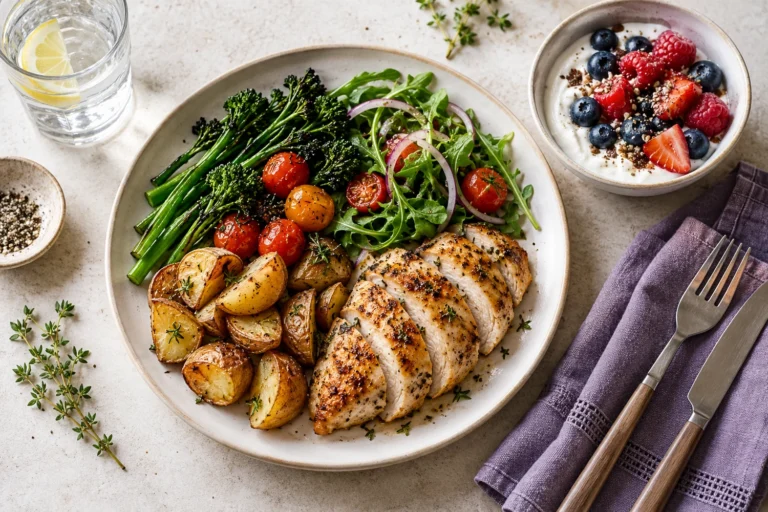
Carb timing for workouts is not about eating huge bowls of pasta because you went to the gym. It is about placing carbohydrates where they help you train harder, recover better, and control hunger more easily.
Carb Timing for Workouts: Why It Matters
Many people cut carbs before they understand how carbs work. They remove rice, potatoes, oats, bread, fruit, and pasta, then wonder why their workouts feel weak. Carbohydrates are one of your body’s most useful fuel sources during harder training. If you lift weights, do high-volume sessions, do sport, or train after work, better carb timing can make your plan feel more realistic.
The goal is not to eat unlimited carbs. The goal is to use them with purpose. A smart plan places more carbs near the workout window and keeps the rest of the day controlled. This can support energy without turning the full day into random snacking.
Best Pre-Workout Carbs for Gym Energy
If you have two to three hours before training, use a full meal. A good pre-workout meal includes protein, a controlled carb portion, and a small amount of fat. Examples include chicken with rice, tuna with a jacket potato, oats with Greek yoghurt, or eggs on toast with fruit.
If you train within 30 to 90 minutes, use a lighter option. A banana, rice cakes, toast, cereal, or a small yoghurt bowl can work better because it digests faster. Heavy, high-fat meals too close to training can sit in your stomach and make the session uncomfortable.
Your best pre-workout meal is not the one that sounds perfect online. It is the one that gives you energy and lets you train without feeling sick, bloated, or sluggish.
Post-Workout Carbs for Recovery
After training, carbs can help refill muscle glycogen. You do not need to sprint to the kitchen within five minutes, but a balanced meal within a few hours is useful for most active people.
Good post-workout meals include lean mince pasta, chicken rice bowls, salmon with potatoes, turkey wraps with fruit, or Greek yoghurt with oats and berries. Protein supports muscle repair, while carbs help restore energy and make the meal more complete.
Carb Timing for Fat Loss Without Cutting Carbs
Fat loss comes from a calorie deficit, not from banning one nutrient. Carb timing helps because it gives your carbs a job. Instead of grazing on snacks all day, you can place carbs before and after training, where they support performance and recovery.
For example, someone training at 6 PM may eat a lighter breakfast, a balanced lunch, a small carb snack before training, and a protein-carb dinner after training. This can work better than going low-carb all day and overeating at night because hunger becomes too strong.
Carb Timing for Muscle Gain and Performance
If your goal is muscle gain, carbs become even more useful. More carbs can support training volume, better pumps, and easier calorie intake. This matters because muscle growth needs progressive training, enough protein, and enough total energy.
Place larger carb servings around your hardest sessions, such as legs, back, full body, or high-volume training days. Rest days can still include carbs, but they may not need to be as high as your hardest training days.
Simple Carb Timing Meal Examples
- Breakfast workout: banana and Greek yoghurt before training, then eggs with toast after.
- Lunch workout: oats and berries earlier, then chicken rice bowl after training.
- Evening workout: turkey wrap mid-afternoon, then salmon with potatoes after training.
- Late workout: rice cakes before training, then a lighter high-protein meal after.
Common Carb Timing Mistakes
The first mistake is removing carbs completely and expecting strong workouts. The second is eating carbs randomly with no structure. The third is blaming rice, oats, or potatoes while overeating biscuits, crisps, pastries, and takeaway sides.
Useful carbs are not the enemy. Poor portion control and inconsistent habits are usually the bigger problem.
Internal Nutrition Links
Carbs work best when they sit inside a full nutrition system. For better recovery, read how protein quality supports muscle repair. If your workouts still feel flat, connect this with hydration and electrolytes for gym performance.
Carb Timing For Workouts FAQ
Is carb timing for workouts important for fat loss?
Carb timing can help fat loss indirectly by improving workout energy and reducing random snacking. Fat loss still depends on your total calorie balance over time.
What should I eat before a workout for energy?
A balanced meal two to three hours before training can include protein and slow carbs, such as chicken with rice or oats with Greek yoghurt. If training is soon, use a lighter snack like a banana or toast.
Do I need carbs after every workout?
You do not need to panic after training, but a balanced meal with protein and carbs within a few hours can support recovery and help refill muscle glycogen.
Are carbs bad if I want to lose belly fat?
No. Carbs are not automatically bad for fat loss. Portions, total calories, food quality, and consistency matter more than removing carbs completely.
Need a Simple Nutrition Plan?
Need a simple nutrition plan? Book a free SykerFlex consultation.
Nutrition coaching
Make nutrition work around your schedule.
I will help you build a realistic eating plan around your routine, preferences and goals—without extreme restrictions.
About the author
Roland Balogh
I’m an Active IQ Level 3 Personal Trainer, qualified in nutrition for sport and exercise performance. I help people build strength, improve their nutrition and stay consistent—without extreme plans or living in the gym.- Level 3 Personal Trainer
- Sport & Exercise Nutrition
- Mental Health Awareness
Keep reading
Related articles