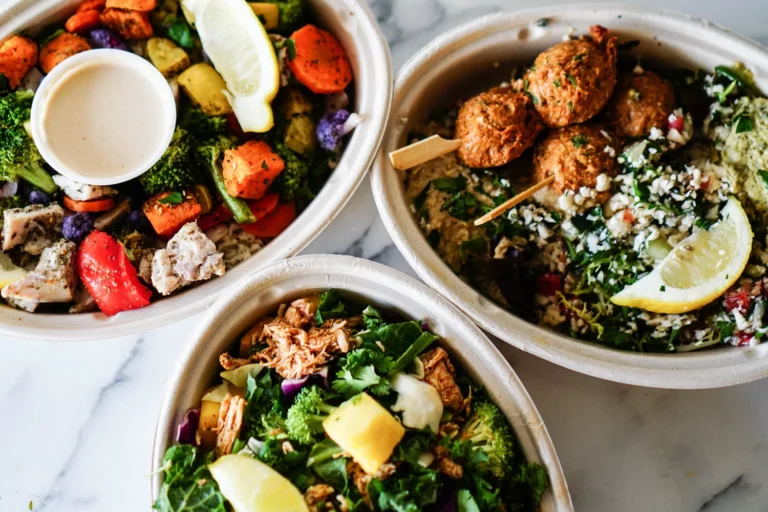
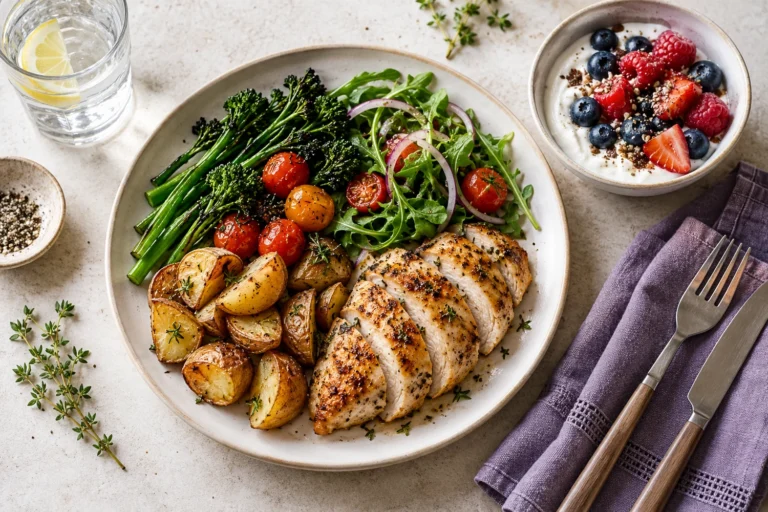
Protein quality for muscle recovery is about more than adding a random shake after training. Your body needs enough total protein, useful amino acids, and a meal structure you can repeat consistently.
Protein Quality for Muscle Recovery: The Simple Explanation
Protein is made from amino acids. Some amino acids are called essential because your body cannot make enough of them by itself. You need to get them from food. When a protein source provides all essential amino acids in useful amounts, it is often called a complete protein.
This matters because training creates muscle damage and stress. Your body repairs and adapts after the session, not during the session. Protein gives your body the building blocks for that repair process.
Complete Protein Foods for Better Recovery
Complete protein sources include eggs, milk, Greek yoghurt, cottage cheese, chicken, turkey, beef, fish, whey protein, and soy foods such as tofu and tempeh. These foods are useful because they provide a strong amino acid profile.
That does not mean every meal must contain animal protein. Plant-based diets can work well when planned properly. The key is total protein, variety, and enough calories to support your goal.
Protein Portions for Fat Loss and Muscle Gain
Many active people aim for around 1.6 to 2.2 grams of protein per kilogram of body weight per day. You do not need to hit this perfectly from day one. Start by adding a clear protein source to breakfast, lunch, and dinner.
For fat loss, protein helps with fullness and muscle retention. For muscle gain, protein supports repair, but you also need enough total calories and progressive training. Eating protein without training hard enough will not build much muscle.
Protein Timing for Recovery
You do not need to panic about an exact anabolic window, but spreading protein through the day is useful. Three to five protein servings usually works well for active people. This keeps meals more balanced and makes the daily target easier to hit.
A simple day could include eggs at breakfast, chicken at lunch, Greek yoghurt as a snack, and salmon at dinner. That is easier than eating very little protein all day and trying to force a huge amount at night.
High-Protein Meal Ideas for Active People
- Breakfast: Greek yoghurt, oats, berries, and chia seeds.
- Lunch: chicken rice bowl with vegetables and light sauce.
- Dinner: salmon, potatoes, and broccoli.
- Snack: cottage cheese with fruit.
- Quick meal: tuna jacket potato with salad.
- Plant-based: tofu stir-fry with rice and mixed vegetables.
Protein Quality Mistakes That Slow Progress
The first mistake is relying only on shakes. Protein powder is convenient, but whole foods often provide more fullness and micronutrients. The second mistake is eating too little protein early in the day. The third mistake is ignoring calories. Protein supports results, but your total diet still matters.
Another mistake is eating protein but not training with enough structure. Muscle recovery matters because training created the need for recovery. If training is random, protein cannot fix the lack of progression.
Internal Nutrition Links
Once protein quality is in place, improve performance with smart carb timing before and after training. For better joint and health support, read omega-3 foods for recovery.
Protein Quality For Muscle Recovery FAQ
What does protein quality mean?
Protein quality describes how well a protein source provides the essential amino acids your body needs for repair, recovery, and normal function.
Are complete proteins better for muscle recovery?
Complete proteins are useful because they contain all essential amino acids in good amounts. Eggs, dairy, fish, meat, poultry, whey, and soy are common complete protein sources.
How often should I eat protein during the day?
Many active people do well with three to five protein feedings per day. This makes it easier to hit your total protein target and support recovery.
Can plant-based protein support muscle growth?
Yes. Plant-based protein can support muscle growth when total protein is high enough and you combine varied sources such as tofu, tempeh, beans, lentils, grains, nuts, seeds, and protein powders.
Need a Simple Nutrition Plan?
Need a simple nutrition plan? Book a free SykerFlex consultation.
Nutrition coaching
Make nutrition work around your schedule.
I will help you build a realistic eating plan around your routine, preferences and goals—without extreme restrictions.
About the author
Roland Balogh
I’m an Active IQ Level 3 Personal Trainer, qualified in nutrition for sport and exercise performance. I help people build strength, improve their nutrition and stay consistent—without extreme plans or living in the gym.- Level 3 Personal Trainer
- Sport & Exercise Nutrition
- Mental Health Awareness
Keep reading
Related articles