Alt Title 1: Best Slow Carbs for Gym Energy and Better Workouts
Alt Title 2: How to Use Slow Carbs for Fat Loss, Muscle Gain, and Training Performance
Alt Title 3: Slow-Digesting Carbs Explained for Active People
Why Slow Carbs Matter for Training
Carbohydrates are often treated like the enemy in fat loss conversations, but that is too simple. Carbs are one of your body’s preferred fuel sources during harder training. If you lift weights, do interval work, play sport, or train after a long day at work, the right carbs can make your session feel stronger and more controlled.
The key is not “more carbs” or “no carbs”. The key is choosing the right type, the right portion, and the right timing. Slow-digesting carbs can help because they release energy more steadily and often come with fiber, vitamins, minerals, and better fullness.
For SykerFlex clients, this is useful because it keeps the plan realistic. You do not need to remove rice, potatoes, oats, wraps, or pasta. You need to place them properly and build balanced meals around them.
What Are Slow Carbs?
Slow carbs are carbohydrate foods that generally digest more slowly than sugary snacks or refined foods. They often contain more fiber or have a more complete food structure. This can help with fullness, digestion, and stable energy.
Examples include oats, potatoes, sweet potatoes, brown rice, wholegrain bread, beans, lentils, quinoa, fruit, and vegetables. These foods can still contain calories, so portions matter, but they usually support a better diet than biscuits, sweets, pastries, and sugary drinks.
Slow carbs are not magic. You can overeat any food. But they make it easier to build meals that feel satisfying without needing extreme restriction.
Slow Carbs Before Training
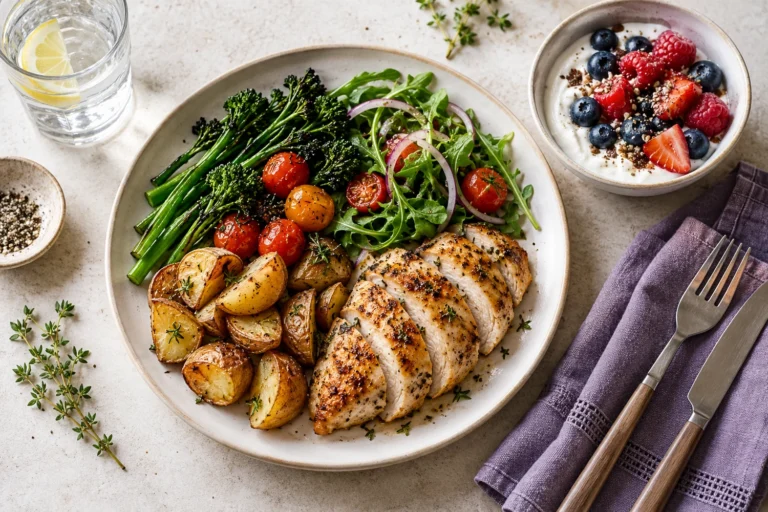
A good pre-workout meal should give you energy without making you feel heavy. If you eat two to three hours before training, a meal with protein and slow carbs works well. For example, chicken with rice and vegetables, eggs with toast, oats with Greek yoghurt, or tuna with a jacket potato.
If you train soon after eating, keep the meal lighter. A banana, rice cakes, toast, or a small bowl of cereal can work better than a large heavy meal. Your stomach matters. The best pre-workout meal is the one that gives you energy and still lets you train comfortably.
Slow Carbs for Fat Loss
Slow carbs can fit into fat loss because fat loss depends on overall calorie balance, not carb removal. A controlled portion of potatoes, rice, oats, or beans can make a meal more filling and easier to follow.
A common mistake is removing carbs completely, then feeling tired, hungry, and low in training performance. This can lead to overeating later. A smarter approach is to keep carbs, but control portions and combine them with protein and vegetables.
For example, a plate with lean protein, potatoes, vegetables, and a small amount of sauce can be much easier to stick to than a tiny low-carb meal that leaves you hungry all evening.
Best Slow Carb Foods
- Oats: useful for breakfast or pre-workout meals.
- Potatoes: filling, affordable, and easy to portion.
- Rice: simple for meal prep and post-workout meals.
- Beans and lentils: high in fiber and useful for fullness.
- Wholegrain bread or wraps: convenient when you need quick meals.
- Fruit: easy carbs with vitamins and hydration support.
Simple Meal Examples
Try oats with Greek yoghurt and berries before a morning gym session. For lunch, use chicken, rice, vegetables, and light sauce. For dinner, try lean mince chilli with beans and potatoes. These meals are normal, repeatable, and useful for both fat loss and muscle gain depending on portion size.
Final Takeaway
The best nutrition plan is not the most extreme one. It is the one you can repeat while still supporting training, recovery, appetite control, and long-term health. Use this guide as one part of your SykerFlex nutrition foundation.
Nutrition coaching
Make nutrition work around your schedule.
I will help you build a realistic eating plan around your routine, preferences and goals—without extreme restrictions.
About the author
Roland Balogh
I’m an Active IQ Level 3 Personal Trainer, qualified in nutrition for sport and exercise performance. I help people build strength, improve their nutrition and stay consistent—without extreme plans or living in the gym.- Level 3 Personal Trainer
- Sport & Exercise Nutrition
- Mental Health Awareness
Keep reading
Related articles