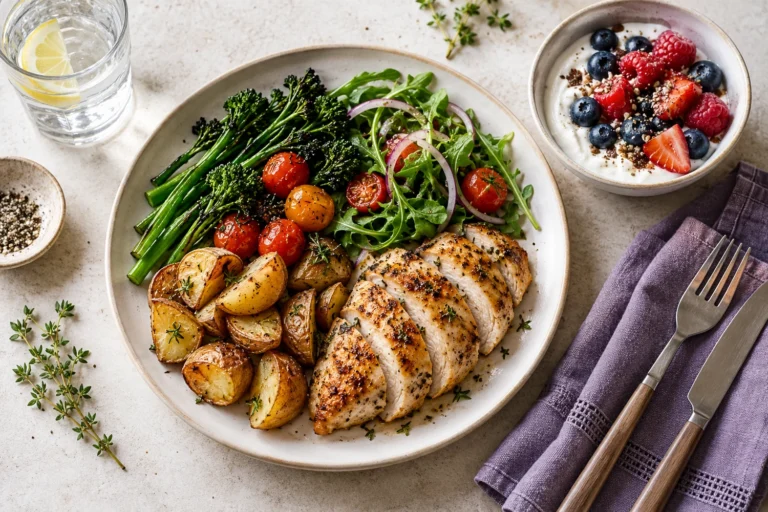
Hydration for gym performance starts long before you pick up a dumbbell. Water matters, but so do sodium, potassium, food timing, sweat rate, and the way you drink across the day.
Hydration for Gym Performance: The Bigger Picture
If your workouts feel flat, do not only look for a stronger pre-workout. Check hydration first. Poor hydration can affect energy, focus, pumps, and how hard training feels. It can also make normal sessions feel heavier than they should.
Hydration is not only drinking plain water. Your body also uses electrolytes such as sodium and potassium to manage fluid balance, nerve signals, and muscle contractions. A strong routine includes both fluids and mineral-rich foods.
Potassium for Muscle Function and Hydration
Potassium supports normal muscle function and fluid balance. Useful food sources include potatoes, sweet potatoes, bananas, beans, lentils, spinach, tomatoes, yoghurt, milk, avocado, and some fish.
A banana before training can help, but it is not the only option. A meal with chicken, potatoes, and spinach may provide more complete support because it includes protein, carbs, potassium, and other micronutrients.
Sodium for Training Energy and Sweat Loss
Sodium is often treated as something to avoid, but the reality is more nuanced. If you sweat heavily, train in hot conditions, or do long sessions, sodium becomes more relevant. Your body loses sodium through sweat.
This does not mean you should overload salt. It means a very low-sodium approach may not suit every active person. Sensible sodium intake, paired with water and potassium-rich foods, can support better performance.
Pre-Workout Hydration Routine
Drink gradually during the day instead of waiting until training starts. If you train in the evening, your hydration routine starts at breakfast. Add fluids with meals and keep a bottle nearby during work.
Two to three hours before training, eat a balanced meal if possible. Good examples include oats with yoghurt and banana, turkey rice bowls, chicken with potatoes, or eggs with toast and fruit.
During and After Training
For normal gym sessions under an hour, water is often enough. For longer or sweat-heavy sessions, electrolytes may help. After training, rehydrate gradually and eat a meal with protein, carbs, and colourful foods.
Do not use caffeine to hide poor hydration. Pre-workout drinks can improve alertness, but they cannot replace basic fluid and mineral habits.
Internal Nutrition Links
If you want better energy before training, read how carb timing supports workouts. For a more complete meal structure, use micronutrient meal building.
Hydration For Gym Performance FAQ
How much water should I drink before the gym?
There is no perfect amount for everyone, but you should start drinking earlier in the day rather than trying to catch up during training.
Are electrolytes useful for gym workouts?
Electrolytes can be useful if you sweat heavily, train in heat, or do long sessions. For normal lifting sessions, water and balanced meals may be enough.
Why does potassium matter for training?
Potassium supports normal muscle function, nerve signalling, and fluid balance. Potassium-rich foods include potatoes, bananas, beans, spinach, yoghurt, and avocado.
Is sodium bad for fitness?
Sodium is not automatically bad. Active people who sweat may need enough sodium for fluid balance and performance, but intake should still be sensible.
Need a Simple Nutrition Plan?
Need a simple nutrition plan? Book a free SykerFlex consultation.
Nutrition coaching
Make nutrition work around your schedule.
I will help you build a realistic eating plan around your routine, preferences and goals—without extreme restrictions.
About the author
Roland Balogh
I’m an Active IQ Level 3 Personal Trainer, qualified in nutrition for sport and exercise performance. I help people build strength, improve their nutrition and stay consistent—without extreme plans or living in the gym.- Level 3 Personal Trainer
- Sport & Exercise Nutrition
- Mental Health Awareness
Keep reading
Related articles