Zone 2 cardio has become the answer to almost everything online. It is described as the perfect fat-burning intensity, the missing part of strength training and sometimes the only cardio anyone needs. The reality is useful but less dramatic.
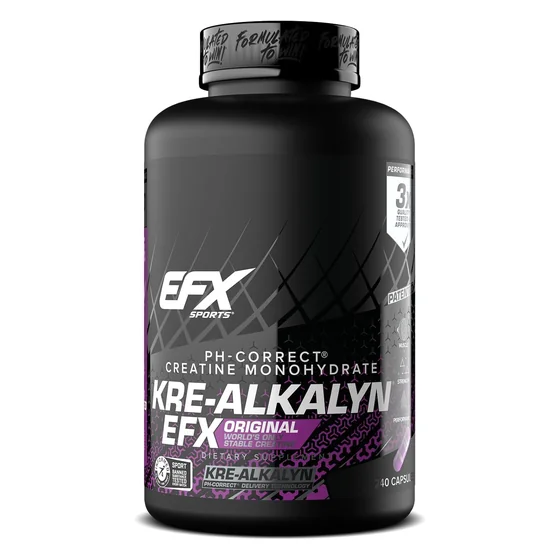 Product optionEFX Kre-Alkalyn Creatine CapsulesCreatine capsules in a convenient format.Affiliate link · Price and availability may change.Check on Amazon As an Amazon Associate I earn from qualifying purchases.
Zone 2 is steady aerobic work that feels controlled and sustainable. Brisk walking, cycling, an incline treadmill, rowing or an elliptical can all qualify when the effort is right. It can support heart and lung fitness, increase weekly activity and help fat loss by contributing to energy expenditure. It does not bypass the need for an overall calorie deficit.
Short answer: Zone 2 cardio can support fat loss because it burns energy, is relatively easy to recover from and can be repeated regularly. It is not a special fat-loss zone. Use a conversational pace for 20 to 60 minutes, two to four times weekly as your fitness allows, while keeping nutrition and strength training consistent.
What Zone 2 cardio means
Training zones divide exercise intensity into bands. The exact definition changes between three-zone, five-zone and laboratory models, which is why two watches can give you different numbers. In common five-zone systems, Zone 2 is easy-to-moderate aerobic work below the first major lactate or ventilatory threshold.
For a normal gym user, the practical signs matter more than the terminology. Your breathing is deeper than at rest, you feel warm and you know you are exercising, but you can still speak in complete sentences. You could continue for a while without counting down every minute.
If you can sing easily, the pace may be too light for the intended session. If you can answer only in short words, you have probably moved into vigorous work. The talk test is imperfect, but it is free and often more useful than treating a watch estimate as laboratory truth.
How to estimate your Zone 2 heart rate
Many devices estimate Zone 2 from a percentage of maximum heart rate. Moderate exercise is often placed around 50 to 70 per cent of estimated maximum, while some fitness systems use a different range. The formula “220 minus age” is only an average and can be wrong for an individual.
A chest strap usually measures heart rate more accurately during exercise than a wrist sensor, especially when gripping handles or moving the arms. Even then, heat, dehydration, caffeine, stress and medication can shift the number.
I recommend using three pieces together: heart rate, the talk test and perceived effort. If your watch says Zone 2 but you are gasping, believe your body. If medication affects heart rate, ask a healthcare professional for suitable intensity guidance rather than relying on a generic zone.
Why people call it the fat-burning zone
At lower and moderate intensities, a larger proportion of the energy used during exercise can come from fat compared with very hard work. This is where the phrase “fat-burning zone” comes from.
However, using a higher percentage of fat during the session does not guarantee more body-fat loss over weeks. Harder exercise may burn more total energy in less time and use more carbohydrate during the activity. The body also adjusts fuel use across the rest of the day.
Body-fat loss depends on sustained energy balance, not which fuel dominated during a 40-minute ride. I would choose Zone 2 because it is repeatable and fits recovery, not because the treadmill screen displays a flame symbol.
Why Zone 2 can still be excellent for fat loss
The main advantage is low recovery cost. You can often complete steady cardio without the soreness, joint stress or appetite response that a hard interval session creates. That makes it easier to accumulate activity across a week while maintaining strength training.
It is also accessible. An incline walk, outdoor walk or easy cycle does not require advanced technique. You can listen to music or a podcast, and many people find the effort mentally easier after work than repeated sprints.
Consistency is the real benefit. A plan containing three manageable sessions is more likely to contribute to fat loss than one brutal session followed by six days of avoidance.
How much Zone 2 cardio should you do?
There is no mandatory Zone 2 dose. UK guidance asks adults to work towards at least 150 minutes of moderate-intensity activity per week, or 75 minutes of vigorous activity, or a combination. Strength work for major muscle groups is also recommended on at least two days.
If you currently do very little cardio, start with two sessions of 20 to 30 minutes. Add five or ten minutes when that feels comfortable. A more active person might use three or four sessions of 30 to 60 minutes, depending on goals and recovery.
Walking and active commuting can count towards moderate activity when the pace raises breathing. You do not have to complete every minute on a gym machine.
Does the session need to last 45 minutes?
No. Health benefits and energy expenditure do not suddenly begin at minute 45. Shorter bouts count, and current UK guidance allows activity to be accumulated in bouts of any length.
A 20-minute incline walk after two strength sessions plus a 40-minute weekend cycle gives you 80 minutes of manageable cardio. That is a strong start for someone previously doing none.
Longer sessions can build endurance and burn more total energy, but they also take more time. Choose the duration you can repeat rather than treating one number as a threshold.
Zone 2 versus HIIT
High-intensity interval training alternates hard efforts with recovery. It is time-efficient and can improve fitness, but it produces more fatigue and feels unpleasant to some people. Zone 2 uses more time but is easier to recover from.
Research comparing exercise types suggests that different aerobic approaches can reduce fat when performed consistently. When energy expenditure is matched, HIIT does not appear to possess a unique fat-loss advantage. The best option depends on preference, joints, fitness and the rest of your programme.
I often use mostly easy-to-moderate cardio and a small amount of hard work for someone who enjoys it. You do not need intervals to prove you trained, and you do not need to avoid them because Zone 2 is fashionable.
Zone 2 alongside strength training
Place cardio where it causes the least disruption. A short easy session after weights can work well because the important strength work is already complete. Separate days give more flexibility for longer cardio.
If leg strength or muscle gain is a high priority, avoid turning the day before heavy lower-body training into a very long, hilly ride. Cycling and incline walking still use the legs, even when the heart rate looks moderate.
Watch performance. If squats and leg presses are repeatedly worse, reduce cardio duration, adjust the mode or move it. Zone 2 is meant to be recoverable; it should not quietly become another hard leg workout.
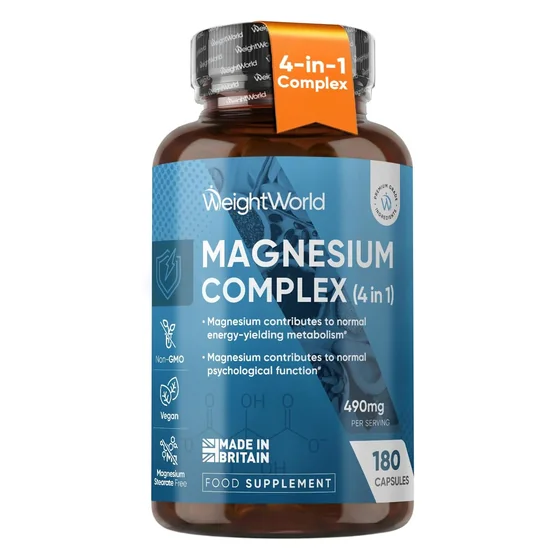 Product optionWeightWorld Magnesium Complex 4-in-1Magnesium capsules for a simple supplement routine.Affiliate link · Price and availability may change.Check on Amazon As an Amazon Associate I earn from qualifying purchases.
Which type of Zone 2 is best?
Walking: accessible and easy to recover from, although fitter people may need hills or an incline to reach moderate intensity.
Cycling: joint-friendly for many people and easy to control, but bike setup matters.
Elliptical: useful when you want a low-impact indoor option.
Rowing: trains more of the body but requires technique and may feel locally tiring before it feels aerobically easy.
Jogging: convenient, but impact and fatigue are higher. You do not need to run to develop aerobic fitness.
The best mode is the one you can perform comfortably and frequently. Rotate activities if repetitive loading causes discomfort or boredom.
A simple beginner progression
- Weeks 1 and 2: two 20-minute sessions at a conversational pace.
- Weeks 3 and 4: two 30-minute sessions.
- Weeks 5 and 6: add a third 20- to 30-minute session if recovery is good.
- After week 6: increase one session gradually or keep the plan if it meets your goal.
Do not increase speed, incline, time and frequency together. Change one variable and allow your body to adapt.
How to tell whether your aerobic fitness is improving
Repeat a similar route or machine setup every few weeks. Improvement may look like travelling farther at the same heart rate, using a slightly higher treadmill speed while still talking, or finishing the session with less fatigue. You do not need a laboratory test to notice a useful trend.
Keep conditions in mind. Heat, hills, wind, caffeine and poor sleep can raise heart rate. Compare several sessions rather than declaring progress lost because one ride felt harder.
Resting heart rate may fall as fitness improves, but it also changes with stress, illness and hydration. Treat it as supporting information, not a score you must lower every morning.
Zone 2, hunger and calorie compensation
Cardio does not affect everyone’s appetite in the same way. Some people finish an easy ride feeling normal; others become very hungry and unconsciously eat back more energy than the session used. Neither response makes the exercise pointless, but it affects planning.
If post-cardio hunger is a problem, schedule the session before a normal meal, include protein and fibre in that meal and avoid treating exercise as permission for an unplanned reward. Do not rely on the machine’s calorie figure to decide how much food you have “earned.”
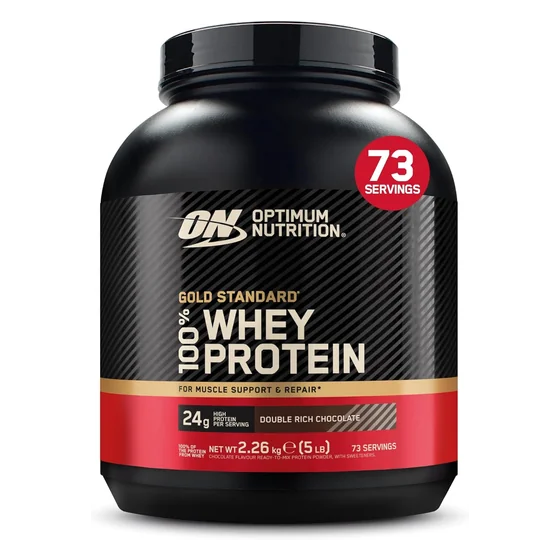 Product optionOptimum Nutrition Gold Standard WheyWhey protein powder for a convenient shake.Affiliate link · Price and availability may change.Check on Amazon As an Amazon Associate I earn from qualifying purchases.
Also watch movement outside the session. A long ride followed by the rest of the day on the sofa may produce less total activity than expected. The aim is a weekly routine you recover from, not one heroic session that removes all other movement.
Should you do Zone 2 fasted?
Fasted cardio may increase fat use during the session, but it has not shown a reliable long-term fat-loss advantage when overall intake is controlled. Some people enjoy walking before breakfast; others feel weak and train poorly.
If the session is easy and you feel well, fasted training can be a preference. If it causes dizziness, nausea or an uncontrolled appetite later, eat first. A method is not better simply because it feels more restrictive.
Common mistakes I see
Going too hard. A supposed Zone 2 session often becomes threshold work because the person chases speed or calorie numbers.
Trusting the watch over breathing. Consumer zones are estimates. Use the talk test and how the session feels.
Eating back every displayed calorie. Machine calorie estimates can be inaccurate. Let the cardio support your plan rather than creating an exact food allowance.
Replacing strength training. Cardio supports health and fat loss, but resistance training is important for maintaining or building muscle.
Adding too much too quickly. Even easy exercise becomes a large stress when volume jumps suddenly.
Assuming sweat measures fat loss. Sweat reflects cooling and fluid loss, not the amount of fat used.
What I would focus on first
I would begin with two sessions that you could repeat on a busy week, usually 25 to 35 minutes. Keep the pace conversational and choose a mode that does not aggravate your joints or interfere with strength sessions.
Then I would monitor weekly body-weight trends, waist measurements, appetite and gym performance. Increase activity only when the current level feels stable. Nutrition still needs to create an appropriate deficit if fat loss is the goal.
When to get medical guidance
Speak with a GP or suitable clinician before changing exercise if you have heart or lung disease, uncontrolled blood pressure, concerning symptoms or medication that affects exercise response. Stop and seek urgent help for chest pain, fainting or severe unusual breathlessness.
If walking, cycling or another mode causes persistent joint pain, a physiotherapist can help you choose an alternative and address the cause.
Frequently asked questions
What heart rate is Zone 2?
It varies. Many general systems place moderate work around 50 to 70 per cent of maximum heart rate, but formulas and zone models differ. Use conversation and perceived effort alongside the number.
Is Zone 2 better than walking for fat loss?
Walking can be Zone 2 when the pace or incline raises breathing enough. A gentler walk still burns energy and supports activity, even if it sits below the zone.
Can I do Zone 2 every day?
Some people can tolerate easy daily activity, but structured sessions still add fatigue. Build gradually and keep enough recovery for strength training and life.
How long until Zone 2 improves fitness?
You may notice easier breathing or a faster pace at the same effort within several weeks, but the timeline varies. Compare similar sessions rather than judging day to day.
Does Zone 2 burn belly fat?
It can contribute to overall fat loss, but it cannot select the stomach. Where fat reduces first is influenced by individual fat distribution.
Is Zone 2 necessary if I already cycle to work?
Your commute may already provide it. If the ride raises breathing to a moderate, sustainable level, count it rather than adding cardio automatically.
Your first Zone 2 session
Choose a bike, treadmill or outdoor route and move for 25 minutes at a pace where you can speak in sentences. Ignore the calorie display. Note average heart rate, distance and effort, then repeat the same setup next week.
If you want cardio, strength training and nutrition organised around one clear goal, that is what I build with SykerFlex coaching clients. Cardio should support the rest of the plan rather than becoming another confusing target.
Sources and further reading
- UK physical activity guidelines for adults
- American Heart Association target heart rates
- Aerobic exercise and weight loss in adults: systematic review and dose-response meta-analysis
- Exercise training, weight loss and body composition: systematic review and meta-analysis
Training coaching
Turn useful advice into your own programme.
I can structure your sessions around your experience, available equipment, schedule and progress.
About the author
Roland Balogh
I’m an Active IQ Level 3 Personal Trainer, qualified in nutrition for sport and exercise performance. I help people build strength, improve their nutrition and stay consistent—without extreme plans or living in the gym.- Level 3 Personal Trainer
- Sport & Exercise Nutrition
- Mental Health Awareness
Keep reading
Related articles