What Is the Mediterranean Anti-Inflammatory Diet?
Mediterranean anti-inflammatory diet searches are rising because people want a healthier way of eating without another extreme diet. The idea sounds scientific, but it should be kept realistic. You cannot “detox” inflammation with one meal. You can, however, build a diet that supports general health, fullness and consistency.
Quick Answer
The Mediterranean anti-inflammatory diet is basically a Mediterranean-style pattern built around vegetables, fruit, beans, lentils, wholegrains, extra virgin olive oil, nuts, seeds, herbs, yoghurt and oily fish. It limits ultra-processed foods, excess sugar and refined oils, but it should not become a fear-based diet.
What Makes This Diet Mediterranean?
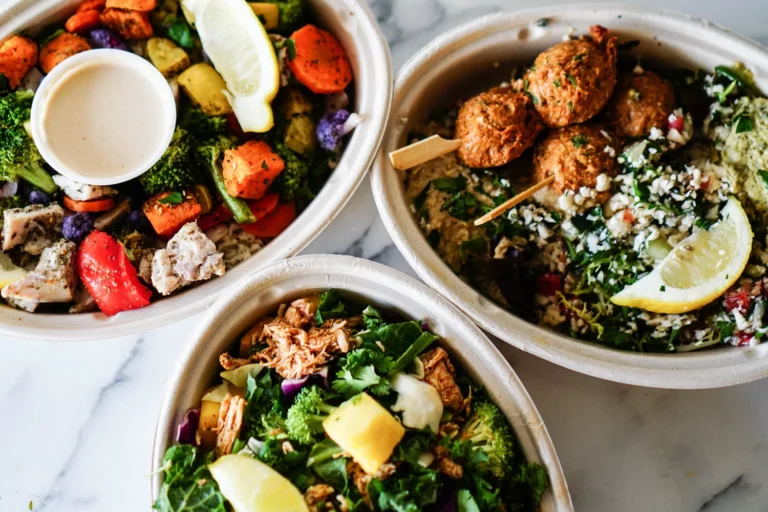
Mediterranean-style eating is based on traditional patterns from countries around the Mediterranean. It is not one strict meal plan. It is a flexible way of eating that prioritises plants, healthy fats, legumes, fish, wholegrains and simple home-cooked meals.
The anti-inflammatory angle comes from the emphasis on fibre, antioxidants, unsaturated fats and minimally processed foods. Colourful vegetables, berries, olive oil, nuts, beans and oily fish all fit this pattern. The problem is when social media turns this into a rigid list of forbidden foods.
What Foods Should You Eat?
- Vegetables: peppers, tomatoes, spinach, broccoli, courgette, salad leaves.
- Fruit: berries, oranges, apples, grapes, kiwi and seasonal fruit.
- Legumes: beans, lentils, chickpeas and peas.
- Wholegrains: oats, brown rice, wholegrain bread, quinoa or wholegrain pasta.
- Healthy fats: olive oil, nuts, seeds and avocado.
- Protein: fish, chicken, eggs, yoghurt, tofu and lean meats in moderation.
- Flavour: herbs, garlic, lemon, spices and vinegar.
Can It Help Fat Loss?
Yes, it can help fat loss if it helps you stay in a calorie deficit. The foods are often filling because they contain protein, fibre and volume. But olive oil, nuts, avocado and oily fish still contain calories. Healthy does not mean unlimited.
If fat loss is the goal, use the Mediterranean structure with portion control. Add protein to every meal, use measured oils, keep nuts to a sensible serving and build most plates around vegetables and lean protein.
Simple Meal Ideas
Breakfast can be Greek yoghurt with oats, berries and seeds. Lunch can be tuna and bean salad with wholegrain bread. Dinner can be salmon with potatoes, vegetables and yoghurt sauce. Snacks can be fruit, nuts in measured portions, cottage cheese, hummus with vegetables or boiled eggs.
This style of eating should feel normal and enjoyable. If it feels like a punishment diet, you are probably making it too strict.
Budget-Friendly Version
The expensive version of this trend includes premium olive oils, organic everything and fancy supplements. You do not need that. Budget-friendly Mediterranean foods include tinned sardines, tinned tuna, lentils, beans, frozen vegetables, oats, potatoes, rice, eggs and seasonal fruit.
Simple food is enough. The goal is consistency, not aesthetic shopping baskets.
Common Mistakes
The first mistake is treating inflammation like one simple enemy that one diet can cure. Health is more layered than that. Sleep, stress, exercise, smoking, alcohol, genetics and medical conditions all matter. The second mistake is becoming scared of normal foods. The third is assuming every Mediterranean food is automatically weight-loss friendly.
Use this diet as a flexible foundation, not a rigid identity.
Who Should Be Careful?
If you have IBS, food allergies, eating disorder history, diabetes, kidney disease or a medical condition, get personalised advice before making big changes. Mediterranean-style eating is generally flexible, but no diet suits everyone perfectly.
How to Use This Advice Without Overcomplicating It
The best plan is the one you can repeat when work is busy, motivation is low and your routine is not perfect. Pick two actions from this article and apply them for the next 14 days. Do not try to rebuild your whole lifestyle overnight. Fat loss improves when the weekly average improves.
Use the SykerFlex approach: protein first, controlled calories, daily movement, strength training, sleep, hydration and realistic flexibility. That combination beats extreme plans because it can actually become normal life.
Related SykerFlex Guides
For a stronger SykerFlex fat loss system, read protein for fat loss, why weight loss stalls and walking for fat loss.
How to Build a Mediterranean-Style Plate
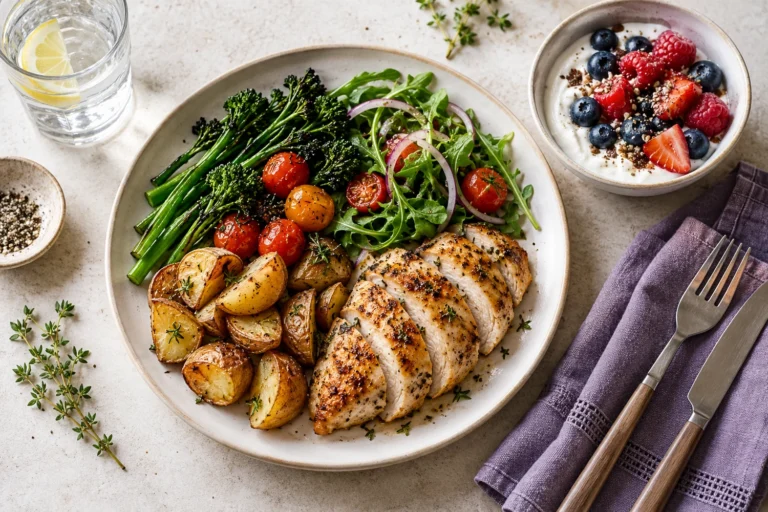
Start with vegetables or salad, then add protein, a fibre-rich carb and a healthy fat. For example, grilled chicken with roasted vegetables, potatoes and olive oil yoghurt dressing. Or salmon with rice, tomatoes, cucumber and herbs. Or lentil stew with wholegrain bread and a side salad.
This plate method keeps the diet simple. You do not need to memorise rules. You just need the same anchors: plants, protein, fibre and flavour. If fat loss is the goal, measure calorie-dense fats such as olive oil, nuts and avocado.
Herbs, lemon, garlic, vinegar and spices make the food enjoyable without needing heavy sauces. This is one of the strengths of Mediterranean-style eating: flavour does not have to come only from high-calorie additions.
Mediterranean Diet for Gym Recovery
This eating style can work well for active people because it includes carbs, protein and healthy fats. Oats, potatoes, rice, beans and fruit can support training energy. Fish, yoghurt, eggs, chicken and legumes can support protein intake. Vegetables and fruit add micronutrients for general health.
After training, a Mediterranean-style meal could be salmon with potatoes and salad, chicken rice bowl with olive oil dressing, or Greek yoghurt with oats and berries. These meals support recovery without needing extreme supplement routines.
What “Anti-Inflammatory” Should Not Mean
Anti-inflammatory should not mean being scared of food. It should not mean cutting every food group, buying expensive supplements or thinking one meal can fix every symptom. Health is affected by sleep, stress, movement, alcohol, smoking, genetics and medical conditions too.
The most helpful version of this diet is flexible. Eat more whole foods, more fibre, more colourful plants and more balanced meals. Avoid turning it into another strict rulebook.
7-Day Simple Starter Plan
Start with one change per day. Monday: add vegetables to lunch. Tuesday: swap butter for a measured amount of olive oil. Wednesday: add beans or lentils. Thursday: eat oily fish or another protein-rich meal. Friday: choose wholegrain bread or oats. Saturday: cook one meal from scratch. Sunday: prepare a simple lunch for Monday.
This slow approach works because it creates habits. A full diet overhaul often collapses. Small changes repeated weekly become your normal routine.
How to Make It High Protein
One weakness of some Mediterranean-style meals is that they can become too carb-and-fat heavy if protein is not planned. Bread, pasta, olive oil, hummus and nuts can all fit, but if the meal lacks protein, hunger may return quickly. Add chicken, fish, eggs, Greek yoghurt, tofu, lentils, beans or lean meat to make the meal more balanced.
A high-protein Mediterranean breakfast could be Greek yoghurt with oats, berries and seeds. Lunch could be chicken salad with beans and wholegrain bread. Dinner could be salmon with potatoes and roasted vegetables. This keeps the diet useful for fat loss and training recovery.
How to Use It Without Tracking Every Calorie
If you do not want to track calories, use portions. Fill half the plate with vegetables or salad, one quarter with protein and one quarter with carbohydrates such as potatoes, rice, beans or wholegrains. Add a measured amount of fat, such as one teaspoon to one tablespoon of olive oil depending on your goal.
This method is not perfect, but it is practical. It gives enough structure for weight control without turning every meal into maths. If progress stalls, then you can tighten portions or track temporarily.
Mediterranean Anti-Inflammatory Diet FAQ
What is the Mediterranean anti-inflammatory diet?
It is a Mediterranean-style eating pattern focused on whole foods, vegetables, fruits, legumes, wholegrains, olive oil, nuts, seeds and oily fish.
Can it help weight loss?
It can support weight loss if portions create a calorie deficit, but the diet itself is not automatic fat loss.
Is it restrictive?
A balanced version is not meant to be extreme. It should focus on adding nutrient-dense foods rather than fearing food.
Do I need expensive ingredients?
No. Budget options include beans, lentils, oats, frozen vegetables, tinned fish, potatoes and seasonal fruit.
Editorial Source Note
This SykerFlex article is educational and based on current health and fitness search-interest themes, plus public guidance from Google Trends, NHS, BHF, NIH/ISSN-style sports nutrition evidence and recent UK wellness trend reporting. It does not replace personalised medical advice.
Need a Simple Plan?
Need a simple fitness and nutrition plan? Book a free SykerFlex consultation.
Nutrition coaching
Make nutrition work around your schedule.
I will help you build a realistic eating plan around your routine, preferences and goals—without extreme restrictions.
About the author
Roland Balogh
I’m an Active IQ Level 3 Personal Trainer, qualified in nutrition for sport and exercise performance. I help people build strength, improve their nutrition and stay consistent—without extreme plans or living in the gym.- Level 3 Personal Trainer
- Sport & Exercise Nutrition
- Mental Health Awareness
Keep reading
Related articles