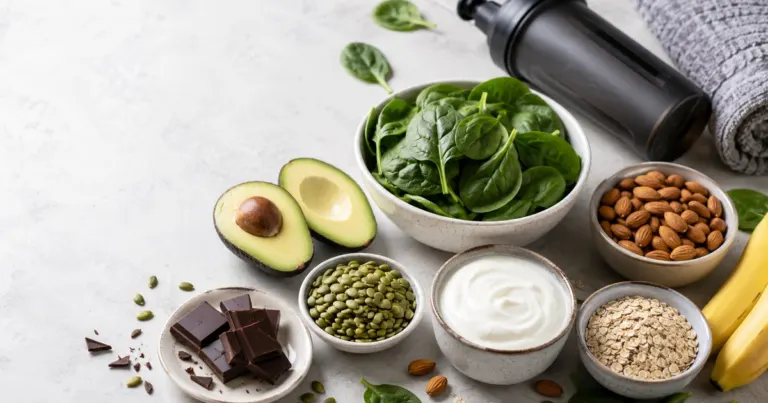
Not losing weight in calorie deficit situations are frustrating because it feels like the plan should be working. The key is to separate true fat loss from scale weight, tracking accuracy and short-term water changes.
Why You May Not Be Losing Weight in a Calorie Deficit
If you are truly in a calorie deficit over enough time, body fat will decrease. The confusion happens because the scale does not only measure fat. It also measures water, food volume, salt, carbohydrate storage, digestion and hormonal fluctuations.
You might be losing fat while the scale is temporarily masked by water retention. This is common after hard training, poor sleep, high stress, more salty meals or menstrual cycle changes. That does not mean the deficit has stopped working.
The first step is not panic. Look at the trend over two to four weeks, not one or two weigh-ins.
Tracking Errors That Hide the Real Intake
Many people believe they are in a deficit because they track most things. The problem is the missing details. Cooking oil, sauces, bites, snacks, coffees, alcohol, weekend meals, nuts and “healthy extras” can add hundreds of calories.
This does not mean you need to track forever. But if progress has stalled, track accurately for seven to fourteen days. Weigh oils, spreads and calorie-dense foods. Log weekends honestly. Check whether portions match the app entries.
Precision for a short period can reveal the issue quickly.
Water Retention From Training and Stress
Hard workouts can cause temporary water retention because muscles repair after training. This is especially common when you start a new plan or increase leg training. The scale may stay flat even while fat loss is happening.
Stress and poor sleep can also affect water balance and hunger. If you are under-recovered, your body may feel inflamed, heavy and inconsistent. This does not mean fat loss is impossible. It means recovery habits need attention.
Weekend Calories and the Weekly Deficit
One of the biggest reasons people stall is the weekend pattern. They are controlled Monday to Friday, then relaxed Saturday and Sunday. Two high-calorie days can erase five controlled days.
You do not need boring weekends. You need planned weekends. Keep protein high, use lighter meals before social events, control alcohol and avoid turning one meal into a full weekend binge.
What to Check Before Lowering Calories
- Are you tracking all oils, sauces, snacks and drinks?
- Are weekends included honestly?
- Are you weighing consistently under the same conditions?
- Has the stall lasted at least two to three weeks?
- Are steps lower than usual?
- Has training stress increased recently?
Only reduce calories when the pattern is clear. Randomly cutting food every time the scale fluctuates usually makes the plan harder than necessary.
How to Break a Fat Loss Plateau
First, tighten tracking for one week. Second, increase daily steps slightly if they are low. Third, keep protein consistent. Fourth, reduce one calorie-dense extra, such as oil, snacks or alcohol. Fifth, be patient long enough to see the trend.
Small corrections work better than dramatic resets. You do not need to punish yourself. You need better data and a cleaner weekly average.
How to Apply This Without Overcomplicating It
The best fat loss plan is not the most dramatic one. It is the plan you can repeat when work is busy, motivation is low, social life happens and hunger is not perfect. Start with one or two changes from this guide, then track what happens for two weeks. If energy, hunger and training are stable, keep going. If you feel exhausted or restricted, adjust before the plan collapses.
Use the SykerFlex approach: simple meals, realistic portions, enough protein, daily movement, controlled treats and no panic dieting. A plan that feels slightly imperfect but repeatable will beat an extreme plan that lasts three days.
Related Fat Loss Guides
For a stronger SykerFlex fat loss system, read calorie deficit explained, calories to lose weight and craving control while dieting.
Not Losing Weight In Calorie Deficit FAQ
Can the scale stall even if I am losing fat?
Yes. Water retention, digestion, salt, carbs and training stress can hide fat loss temporarily.
How long should I wait before changing calories?
If tracking is accurate, wait at least two to three weeks of no trend change before adjusting.
Do weekends ruin a calorie deficit?
They can if weekend intake erases the weekday deficit.
Should I reduce calories immediately?
Not always. First check tracking accuracy, steps, sleep, stress and water retention.
Need a Simple Fat Loss Plan?
Need a simple nutrition plan? Book a free SykerFlex consultation.
Nutrition coaching
Make nutrition work around your schedule.
I will help you build a realistic eating plan around your routine, preferences and goals—without extreme restrictions.
About the author
Roland Balogh
I’m an Active IQ Level 3 Personal Trainer, qualified in nutrition for sport and exercise performance. I help people build strength, improve their nutrition and stay consistent—without extreme plans or living in the gym.- Level 3 Personal Trainer
- Sport & Exercise Nutrition
- Mental Health Awareness
Keep reading
Related articles