Mobility routine for stiff hips and shoulders can make training feel cleaner before you even touch a weight. Mobility is not about forcing extreme positions; it is about building usable range of motion with control.
Mobility Routine for Stiff Hips: Why It Matters
Stiff hips can affect squats, lunges, deadlifts, running, and even how your lower back feels during training. If your hips cannot move well, your body may find motion somewhere else, often through the lower back or knees.
Mobility work is not just stretching. Good mobility combines range, control, breathing and strength. A useful routine should help your next exercise feel better. If you stretch randomly for 20 minutes but your squat still feels poor, the routine needs to be more specific.
The same applies to shoulders. Poor shoulder mobility can affect pressing, rows, pull-ups and overhead work. A few well-chosen drills can help you move better without wasting your entire session.
Hip Mobility Drills for Better Squats and Lunges
Start with 90/90 hip switches. Sit on the floor with both knees bent, rotate from side to side and keep the movement controlled. This improves hip rotation and body awareness.
Next, use half-kneeling hip flexor rocks. Squeeze the glute on the back-leg side and gently shift forward. Do not arch the lower back. This targets the front of the hip in a controlled position.
Add ankle rocks if squats feel blocked. Limited ankle mobility can make the hips feel worse because your body cannot find a good bottom position.
Shoulder Mobility Drills for Pressing and Pulling
Use wall slides, arm circles, thoracic rotations and band pull-aparts. These drills prepare the upper back and shoulders for pressing, pulling and overhead movement.
Shoulder mobility is often connected to the upper back. If your thoracic spine is stiff, your shoulders may struggle overhead. This is why rotation drills and upper-back extension work can help.
10-Minute Mobility Routine Before Training
- Easy walk or bike: 2 minutes.
- 90/90 hip switches: 8 reps each side.
- Half-kneeling hip flexor rocks: 8 reps each side.
- Ankle rocks: 10 reps each side.
- Thoracic rotations: 8 reps each side.
- Wall slides: 10 controlled reps.
- Bodyweight squats or push-ups: 2 easy sets.
Mobility Versus Flexibility
Flexibility is passive range. Mobility is usable range. You might be able to stretch into a position, but can you control that position during exercise? Training usually needs mobility more than passive flexibility.
This is why loaded movements are also important. Goblet squats, split squats, Romanian deadlifts, rows and presses can all improve usable movement when performed with good technique.
Common Mobility Mistakes
The first mistake is doing the same random stretches no matter what workout is planned. The second is forcing painful range. The third is never strengthening the new range. Mobility should support training, not replace it.
Internal Exercise Links
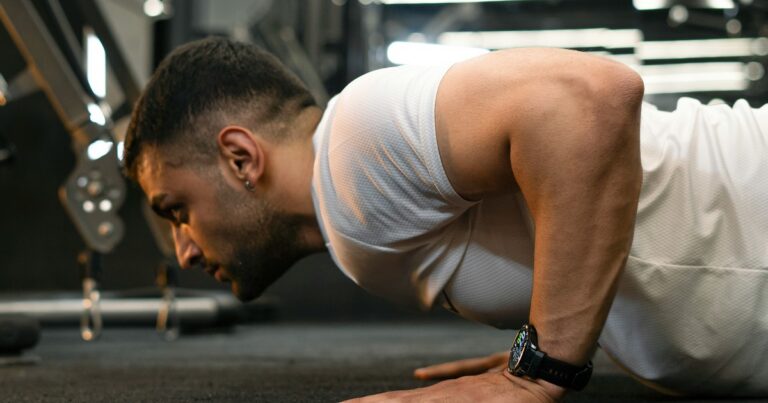
After your mobility routine, apply the new range with push-up progression work or resistance band power drills.
Mobility Routine For Stiff Hips FAQ
How long should a mobility routine take?
A focused mobility routine can take 8 to 15 minutes. It should prepare the body for training, not become a full workout by itself.
Should I do mobility before or after training?
Dynamic mobility works well before training. Longer static stretching can be placed after training or in separate sessions.
Why are my hips stiff when I squat?
Hip stiffness can come from limited mobility, poor warm-up, weak control, long sitting, or exercise technique. Use mobility and strength work together.
Can mobility prevent injury?
Mobility can improve movement quality and readiness, but injury risk also depends on load management, technique, recovery, sleep and training progression.
Need a Simple Training Plan?
Need a simple training plan? Book a free SykerFlex consultation.
Training coaching
Turn useful advice into your own programme.
I can structure your sessions around your experience, available equipment, schedule and progress.
About the author
Roland Balogh
I’m an Active IQ Level 3 Personal Trainer, qualified in nutrition for sport and exercise performance. I help people build strength, improve their nutrition and stay consistent—without extreme plans or living in the gym.- Level 3 Personal Trainer
- Sport & Exercise Nutrition
- Mental Health Awareness
Keep reading
Related articles