Weight loss with PCOS can feel confusing because the usual “eat less and move more” advice often sounds too basic. PCOS is not just a willpower problem. Many women with PCOS deal with insulin resistance, irregular cycles, cravings, fatigue, stress, sleep issues and weight changes that make fat loss feel less straightforward.
Weight Loss With PCOS: Start With a Realistic Mindset
The first step is understanding that PCOS weight loss should not be treated like a punishment. Crash diets, very low calories and extreme exercise can create short-term scale changes, but they often make hunger, fatigue and consistency worse. If a plan makes you feel constantly restricted, it is unlikely to be the best long-term strategy.
PCOS management works better when the plan supports blood sugar control, muscle retention, daily energy and recovery. This means meals should be filling, training should be progressive but recoverable, and the calorie deficit should be moderate rather than aggressive.
The aim is not to be perfect every day. The aim is to build repeatable habits that reduce body fat gradually while helping you feel more stable. That is a stronger strategy than chasing rapid weight loss and restarting every Monday.
Build PCOS Meals Around Protein and Fibre
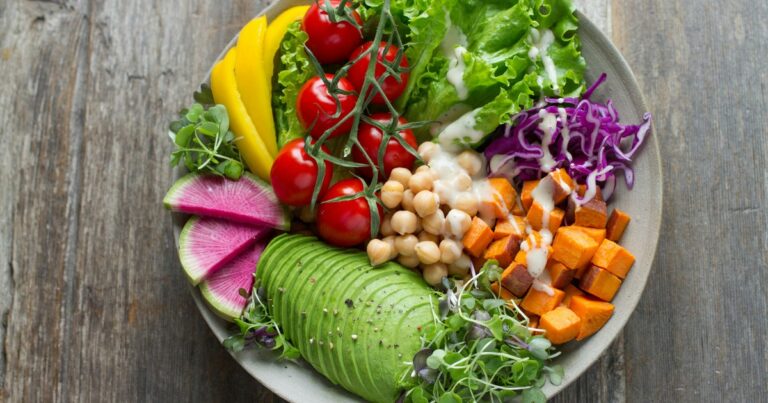
Protein and fibre are two of the most useful nutrition tools for PCOS weight loss. Protein helps with fullness and muscle retention. Fibre slows digestion, supports gut health and helps meals feel bigger. Together, they can reduce the urge to snack randomly between meals.
Good protein options include eggs, chicken, turkey, fish, lean beef, Greek yoghurt, cottage cheese, tofu, tempeh, beans, lentils and protein powder when convenient. Fibre can come from vegetables, berries, apples, oats, beans, lentils, potatoes with skin, wholegrains and seeds.
A simple plate could be chicken with potatoes and vegetables, Greek yoghurt with oats and berries, eggs with wholegrain toast and spinach, or tofu stir-fry with rice and mixed vegetables. These meals are not extreme. They are structured, filling and easier to repeat.
Use Carbohydrates Instead of Fearing Them
Many women with PCOS are told to avoid carbs completely. This is not always necessary and can backfire if it makes meals boring or training feel weak. The better question is not “Are carbs bad?” but “Which carbs, how much, and what are they paired with?”
Carbs such as oats, potatoes, rice, wholegrain wraps, beans, lentils, fruit and vegetables can fit into a PCOS fat loss plan. Pairing carbs with protein and fibre usually creates a steadier meal than eating refined carbs alone. For example, oats with Greek yoghurt and berries is usually more filling than a sugary cereal eaten by itself.
If you notice that certain carb-heavy meals trigger cravings or energy crashes, adjust the portion and add more protein, vegetables or healthy fats. The goal is personalised control, not fear.
Strength Training for PCOS Weight Loss
Strength training is valuable because muscle tissue is metabolically active and helps shape the body as fat loss happens. It also improves confidence and physical function. You do not need to train like a bodybuilder six days per week. Two to four well-planned sessions can be enough for many women.
Focus on simple movements: squats or leg press, Romanian deadlifts or hip thrusts, presses, rows, pulldowns, lunges, carries and core work. Progress slowly by adding reps, improving technique or increasing weight when ready.
Do not judge the workout only by sweat. A good strength session should be controlled, repeatable and progressive. You should leave feeling challenged, not destroyed.
Walking and Daily Movement
Walking is underrated for PCOS fat loss because it is low impact, recoverable and easy to repeat. You do not need to start with 15,000 steps. If your current average is low, increase gradually. Going from 3,000 to 5,000 steps is already progress.
Daily movement helps create a calorie deficit without relying only on food restriction. It also supports mood, digestion and routine. For busy women, short walks after meals can be especially useful because they are easier to fit into the day than long gym sessions.
Sleep, Stress and PCOS Cravings
Sleep and stress matter because they affect hunger, cravings and decision-making. Poor sleep can make high-calorie foods more tempting and reduce training performance. High stress can make the body feel more inflamed and make consistency harder.
A realistic PCOS plan should include a bedtime routine, caffeine boundaries, planned meals and stress outlets that are not only food. Walking, journaling, gentle mobility, strength training and regular meal timing can all help build stability.
Simple Weekly PCOS Weight Loss Plan
- 2–3 strength sessions: full body or upper/lower training.
- Daily walking: build steps gradually from your current level.
- Protein at each meal: aim for a clear source every time.
- High-fibre carbs: oats, potatoes, beans, fruit and wholegrains.
- Planned snacks: protein yoghurt, fruit, eggs or cottage cheese.
- Sleep support: consistent bedtime and reduced late caffeine.
This approach is not dramatic, but it is practical. Practical wins when the goal is long-term weight loss with PCOS.
How to Track Progress Without Obsessing Over the Scale
With PCOS, scale weight can fluctuate because of water retention, cycle changes, training soreness, salt intake, digestion and stress. That means one weigh-in is not enough to judge the plan. A better approach is to use weekly averages, waist measurements, progress photos and how clothes fit. This gives a fuller picture than the scale alone.
If the scale is up for two days after a hard leg workout, that does not automatically mean fat gain. If your waist is slowly reducing and your workouts are improving, the plan may still be working. Look for trends over two to four weeks before changing calories aggressively.
This matters because panic changes often create worse consistency. If you cut calories every time weight fluctuates, hunger rises and the plan becomes harder. Calm tracking gives you better decisions.
Important PCOS Health Note
This article is educational and does not replace personalised medical advice. PCOS can affect menstrual cycles, skin, hair growth, fertility, insulin resistance, mood and long-term metabolic health. If you have irregular or absent periods, symptoms that are getting worse, possible pregnancy, fertility concerns, diabetes risk, medication questions or unexplained pain, speak with a GP, gynaecologist, endocrinologist or registered healthcare professional.
Fitness and nutrition can be powerful tools, but they should support your health rather than punish your body. The best PCOS plan is realistic, individual and safe.
Related PCOS Guides
For a more complete SykerFlex PCOS plan, read best workouts for PCOS and fat loss, high-protein meal ideas for women with PCOS and how to lose weight with PCOS without extreme dieting.
Weight Loss With Pcos FAQ
Is weight loss harder with PCOS?
It can be harder for some people because PCOS is often linked with insulin resistance, appetite changes, fatigue and hormonal symptoms, but steady progress is still possible with the right plan.
Do I need to cut out carbs with PCOS?
No. Carbs do not need to be removed completely. Many people do better choosing higher-fibre, lower-GI or minimally processed carb sources and pairing them with protein.
What exercise is best for weight loss with PCOS?
A balanced mix of strength training, walking, cardio you enjoy and mobility work is usually more sustainable than extreme daily workouts.
Can losing a small amount of weight help PCOS symptoms?
For people who are above a healthy weight, modest weight loss may improve some symptoms, but lifestyle habits can support health even before major scale changes happen.
Need a Simple PCOS-Friendly Plan?
Need a simple PCOS-friendly fitness and nutrition plan? Book a free SykerFlex consultation.
Nutrition coaching
Make nutrition work around your schedule.
I will help you build a realistic eating plan around your routine, preferences and goals—without extreme restrictions.
About the author
Roland Balogh
I’m a certified Personal Trainer and Nutritionist helping people build strength, improve their nutrition and stay consistent—without extreme plans or living in the gym.- Certified Personal Trainer
- Qualified Nutritionist
- Online Fitness Coach
Keep reading