Push-up progression for chest and triceps is valuable because push-ups are often treated too casually. People either avoid them because they feel too hard, or they do endless sloppy reps with no plan. A proper progression turns push-ups into a serious strength and muscle-building tool.
Push-Up Progression for Chest and Triceps: Why It Works
The push-up trains chest, shoulders, triceps and core together. It is a horizontal pressing movement, similar in pattern to a bench press, but it also requires body control. Your trunk has to stay stable, your shoulder blades need to move well, and your elbows must track properly.
Push-ups are also scalable. You can make them easier with wall or incline variations. You can make them harder with tempo, pauses, deficit range, feet elevation, weighted vests or advanced variations. This makes them useful for beginners and advanced lifters.
The key is choosing the right level. If the variation is too easy, it will not create enough stimulus. If it is too hard, form breaks and the wrong muscles take over.
Perfect Push-Up Technique Setup
Start with hands slightly wider than shoulder width. Spread the fingers and grip the floor. Set the body in a straight line from head to heels. Brace the abs and squeeze the glutes lightly. Think of the push-up as a moving plank.
Lower the chest toward the floor with control. The elbows should not flare directly out to the side. For most people, a 30 to 60 degree elbow angle feels better. At the bottom, the chest should be close to the floor without the hips sagging. Press back up while keeping the body connected.
A good push-up is not just about the arms. If your hips drop, ribs flare or head reaches forward, the rep quality drops. Keep the whole body involved.
Beginner Push-Up Progression Levels
If you cannot do a clean floor push-up, start higher. Wall push-ups are the easiest. Incline push-ups using a bench, box or counter are the next step. The lower the surface, the harder the push-up becomes.
- Level 1: wall push-up for 3 sets of 10 to 15 reps.
- Level 2: high incline push-up for 3 sets of 8 to 12 reps.
- Level 3: low incline push-up for 3 sets of 6 to 10 reps.
- Level 4: eccentric floor push-up for 3 sets of 3 to 5 slow reps.
- Level 5: full floor push-up for controlled sets.
Do not rush the levels. Move down only when you can control the current variation with strong body position.
Advanced Push-Up Progressions
Once standard push-ups are easy, add difficulty. Slow tempo push-ups increase time under tension. Paused push-ups build control at the bottom. Deficit push-ups increase range of motion. Feet-elevated push-ups shift more work toward the upper chest and shoulders.
Weighted push-ups can be excellent if the load is secure. Use a vest or a plate carefully placed on the upper back. Avoid loading so heavily that your hips sag or range shortens. Quality still matters.
Push-Up Workout for Chest and Triceps
Use this plan two or three times per week. Pick a variation that is challenging but clean.
- Main push-up variation: 4 sets of 6 to 12 reps.
- Paused push-up: 3 sets of 5 to 8 reps.
- Close-grip push-up: 3 sets of 6 to 10 reps.
- Plank shoulder tap: 3 sets of 8 to 12 reps each side.
Rest long enough to keep form clean. If your goal is strength, rest longer. If your goal is conditioning, use shorter rest carefully.
Common Push-Up Mistakes
The biggest mistakes are sagging hips, flared elbows, half reps, head reaching forward and rushing. Another common mistake is doing push-ups every day to failure. That can work briefly, but it often irritates wrists or shoulders and stalls progress.
Train push-ups like any other exercise. Choose a variation, track reps, progress gradually and recover.
Internal Exercise Links
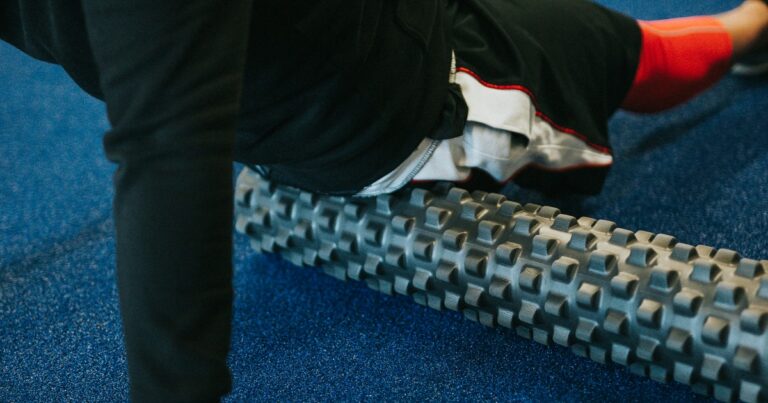
To build a complete SykerFlex training routine, combine this guide with pull-up progression for back strength and foam rolling and mobility recovery.
How to Use Push-Ups in a Weekly Training Plan
Push-ups can be used as a main pressing exercise, an accessory after bench press, or a conditioning movement. If you are a beginner, use push-ups early in the workout while you are fresh. If you already bench press, use push-ups later to add volume without needing another heavy barbell movement.
A simple weekly plan could include standard push-ups on Monday, incline or paused push-ups on Wednesday, and close-grip or deficit push-ups on Friday. This gives enough practice without forcing the same variation every day. If elbows or wrists feel irritated, reduce volume and use handles or dumbbells to keep the wrists more neutral.
Push-ups work best when you track them. Write down the variation, sets, reps and effort. If you always do random reps, you will not know whether you are improving. A push-up is still strength training, so it deserves the same structure as dumbbells or machines.
Push-Up Variations for Chest, Triceps and Core Goals
For chest focus, use standard push-ups, deficit push-ups and paused push-ups. These variations allow deeper range and more time under tension. For triceps focus, use close-grip push-ups or diamond-style push-ups if your wrists tolerate them. For upper chest and shoulder emphasis, use feet-elevated push-ups.
For beginners, incline push-ups are the best variation because they allow proper form. Knee push-ups can work, but they change the body line. Incline push-ups teach the full plank position more directly, which transfers better to floor push-ups later.
For conditioning, push-ups can be used in circuits, but form should not collapse. If conditioning circuits turn every rep into a worm-like movement, choose an easier variation or reduce reps. Quality matters even when the goal is sweat.
Wrist and Shoulder Comfort During Push-Ups
Wrist discomfort is common. Warm the wrists, spread the fingers and press through the whole hand. Push-up handles or dumbbells can reduce wrist extension. If shoulder discomfort appears, check elbow angle, hand width and range of motion. Going too wide or flaring elbows aggressively can make push-ups feel worse.
Pain is not something to ignore. Adjust the variation and rebuild gradually. A good push-up should feel challenging in the chest, triceps and core, not sharp in the shoulder joint. The goal is long-term progress, not forcing one painful variation because it looks harder.
Push-Up Progression For Chest And Triceps FAQ
Can push-ups build chest muscle?
Yes. Push-ups can build chest muscle when they are challenging enough, progressed over time and performed with good range and control.
What if I cannot do a full push-up yet?
Start with wall push-ups, incline push-ups or eccentric push-ups. Build strength gradually rather than forcing poor floor reps.
Should elbows stay tucked during push-ups?
Elbows should usually angle around 30 to 60 degrees from the body. Extreme flaring often irritates shoulders.
How often should I train push-ups?
Two to four times per week can work depending on intensity, volume and recovery.
Need a Simple Training Plan?
Need a simple training plan? Book a free SykerFlex consultation.
Nutrition coaching
Make nutrition work around your schedule.
I will help you build a realistic eating plan around your routine, preferences and goals—without extreme restrictions.
About the author
Roland Balogh
I’m an Active IQ Level 3 Personal Trainer, qualified in nutrition for sport and exercise performance. I help people build strength, improve their nutrition and stay consistent—without extreme plans or living in the gym.- Level 3 Personal Trainer
- Sport & Exercise Nutrition
- Mental Health Awareness
Keep reading
Related articles