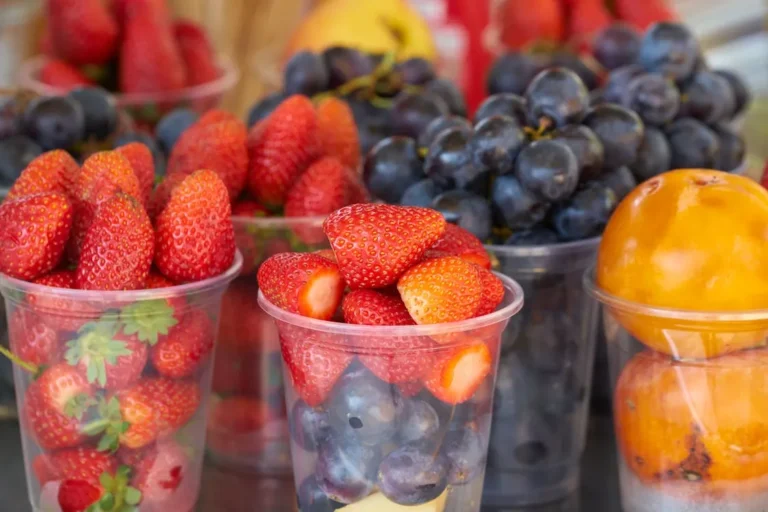
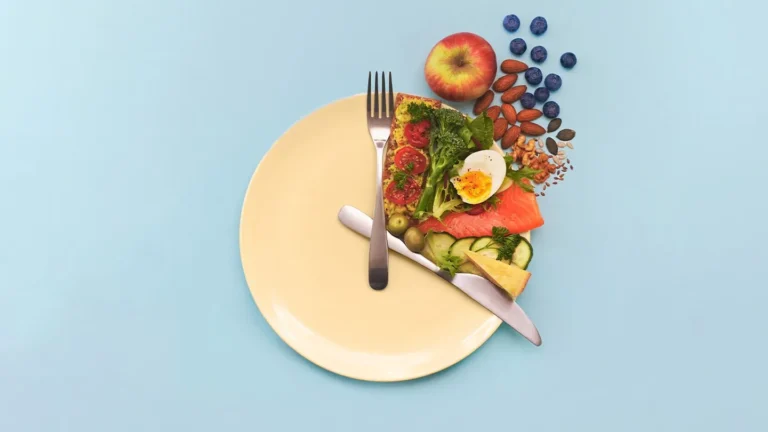
In today’s world of wellness and health, the term superfoods has gained immense popularity. But what exactly are superfoods, and why are they so important? Superfoods are nutrient-dense foods that provide essential vitamins, minerals, antioxidants, and other beneficial compounds in high amounts for very few calories. These foods play a crucial role in boosting your immune system, enhancing heart health, reducing inflammation, and supporting overall well-being.
In this guide, we’ll explore eight superfoods you should be eating and explain why they’re so powerful for your health. Whether you’re looking to improve your diet, increase energy, or simply eat cleaner, adding these superfoods to your meals will make a noticeable difference.
What Are Superfoods?
Superfoods are typically plant-based, but some also come from fish and dairy. They are known for being particularly high in nutrients that your body needs to function optimally. Incorporating superfoods into your diet can help reduce the risk of chronic diseases, improve digestion, boost immunity, and even help with weight management.
Below, we’ve compiled a list of the top superfoods you should be eating and why each one matters for your health.
1. Blueberries: The Antioxidant Powerhouse
Blueberries are one of the most widely known superfoods due to their high concentration of antioxidants, particularly anthocyanins. These little berries are packed with vitamin C and fiber, and they help combat oxidative stress caused by free radicals in the body.
Why They Matter:
Blueberries offer several health benefits, including:
- Heart Health: Regular consumption of blueberries can lower blood pressure and improve cholesterol levels.
- Brain Health: Blueberries have been linked to improvements in memory and cognitive function, especially in aging adults.
- Digestive Support: Their high fiber content promotes a healthy digestive system.
How to Eat Them:
You can add blueberries to your morning smoothie, sprinkle them over your cereal or yogurt, or even bake them into healthy treats like muffins and pancakes.
2. Kale: The King of Greens
Kale is often referred to as the “king of greens” because it’s one of the most nutrient-dense vegetables available. It’s rich in vitamins A, C, and K, and also contains powerful antioxidants like quercetin and kaempferol. These properties make kale a standout among superfoods for heart health and overall wellness.
Why It Matters:
- Bone Health: Kale’s high levels of vitamin K make it essential for bone strength and health.
- Heart Health: The fiber and potassium found in kale help lower cholesterol and reduce the risk of heart disease.
- Anti-Inflammatory: Kale’s antioxidants help fight inflammation, which is a major contributor to chronic conditions like heart disease and arthritis.
How to Eat It:
Kale can be enjoyed raw in salads, sautéed as a side dish, blended into smoothies, or baked into kale chips for a crunchy snack.
3. Chia Seeds: The Tiny but Mighty Nutrient Booster
Chia seeds may be small, but they’re packed with nutrients like omega-3 fatty acids, fiber, protein, and calcium. These seeds are also a versatile and powerful addition to any meal, making them an easy way to incorporate superfoods into your diet.
Why They Matter:
- Omega-3s: Chia seeds are a plant-based source of omega-3 fatty acids, which support brain health and reduce inflammation.
- Weight Management: High in fiber, chia seeds help keep you full, which can reduce cravings and aid in weight loss.
- Bone Health: Rich in calcium, chia seeds help support strong bones and prevent osteoporosis.
How to Eat Them:
Chia seeds can be mixed into smoothies, stirred into yogurt or oatmeal, or used as a base for chia pudding. You can also sprinkle them on top of salads or use them in baking.
4. Salmon: The Omega-3 Superstar
Salmon is rich in high-quality protein and omega-3 fatty acids, making it one of the best superfoods for heart health and brain function. In addition to omega-3s, salmon contains B vitamins, selenium, and potassium, all of which contribute to overall health.
Why It Matters:
- Heart Health: Omega-3s help reduce inflammation and lower blood pressure, both of which are crucial for a healthy heart.
- Brain Health: Omega-3s also support cognitive function and can reduce the risk of depression and anxiety.
- Muscle Growth and Repair: As a complete protein source, salmon aids in muscle recovery and growth.
How to Eat It:
Enjoy salmon grilled, baked, or poached. It’s delicious in salads, paired with whole grains, or even incorporated into sushi for a protein-packed meal.
5. Quinoa: The Perfect Plant-Based Protein
Quinoa is a gluten-free grain that’s often considered one of the best plant-based proteins available. It’s unique because it contains all nine essential amino acids, making it a complete protein. In addition, quinoa is high in fiber, magnesium, and iron.
Why It Matters:
- Complete Protein: Quinoa is an ideal source of protein for vegetarians and vegans, supporting muscle growth and tissue repair.
- Gluten-Free: Quinoa is a perfect substitute for gluten-containing grains like wheat and barley.
- Rich in Antioxidants: Quinoa’s antioxidants help reduce inflammation and the risk of chronic diseases.
How to Eat It:
Use quinoa as a base for salads, mix it with vegetables, or substitute it for rice or pasta. Quinoa can also be used in soups, stews, or breakfast bowls with fruits and nuts.
6. Avocados: The Creamy Nutrient-Dense Fruit
Avocados are loaded with heart-healthy monounsaturated fats, making them an excellent choice for boosting good cholesterol. In addition to their healthy fats, avocados are also rich in fiber, potassium, and vitamins like E, K, and C.
Why They Matter:
- Heart Health: The monounsaturated fats in avocados help improve cholesterol levels and lower the risk of heart disease.
- Digestive Health: High in fiber, avocados promote healthy digestion and help prevent constipation.
- Skin and Eye Health: Vitamin E and lutein in avocados protect the skin and eyes from oxidative damage.
How to Eat Them:
Avocados can be spread on toast, blended into smoothies, or mashed into guacamole. They’re also delicious in salads, sandwiches, or as a topping for tacos and burgers.
7. Sweet Potatoes: The Beta-Carotene Rich Carb
Sweet potatoes are loaded with beta-carotene, which your body converts to vitamin A. This essential nutrient is important for maintaining good vision, a strong immune system, and healthy skin. Sweet potatoes are also an excellent source of fiber, vitamin C, and potassium.
Why They Matter:
- Eye Health: Beta-carotene supports good vision and helps prevent age-related eye issues.
- Immune Support: Vitamin A is essential for immune system function, helping to defend against infections.
- Energy Support: Sweet potatoes are a source of complex carbohydrates that provide lasting energy without blood sugar spikes.
How to Eat Them:
Bake, roast, or mash sweet potatoes for a versatile side dish. You can also use them in soups, stews, or casseroles, or even as a healthier alternative to French fries.
8. Almonds: The Crunchy, Heart-Healthy Nut
Almonds are a crunchy, satisfying snack that offers a host of nutritional benefits. Rich in vitamin E, magnesium, fiber, and heart-healthy fats, almonds are an excellent choice for supporting heart health and overall wellness.
Why They Matter:
- Heart Health: Almonds help reduce LDL cholesterol levels while boosting HDL cholesterol, supporting overall cardiovascular health.
- Weight Management: The fiber and healthy fats in almonds keep you feeling full and satisfied, reducing the likelihood of overeating.
- Bone Health: Almonds are a great source of magnesium and calcium, both of which are vital for strong bones.
How to Eat Them:
Snack on a handful of almonds, or add them to salads, yogurt, or smoothies. Almond butter is also a great spread for toast or an ingredient in healthy baked goods.
Final Thoughts
Incorporating superfoods into your diet is a simple yet powerful way to boost your health and well-being. These nutrient-rich foods provide numerous benefits, from supporting heart and brain health to promoting healthy skin and digestion. Start by adding a few of these superfoods to your daily meals, and you’ll be on your way to a healthier lifestyle in no time.
Ready to make a change? Head to your local grocery store and start adding these superfoods to your cart. Your body—and your taste buds—will thank you!
Nutrition coaching
Make nutrition work around your schedule.
I will help you build a realistic eating plan around your routine, preferences and goals—without extreme restrictions.
About the author
Roland Balogh
I’m an Active IQ Level 3 Personal Trainer, qualified in nutrition for sport and exercise performance. I help people build strength, improve their nutrition and stay consistent—without extreme plans or living in the gym.- Level 3 Personal Trainer
- Sport & Exercise Nutrition
- Mental Health Awareness
Keep reading